Tuesday, December 2, 2025 - 02:53 AM
Subscribe/Login
Global Air Travel Disrupted; Thousands Stranded

Global Air Travel Disrupted; Thousands Stranded

Global Air Travel Disrupted; Thousands Stranded

By Bing Jabadan and Paul V. Young – TheNATIONWEEK.Com | December 1, 2025

MANILA, Philippines / BRISBANE, Australia – A widespread software flaw affecting the Airbus A320 family of aircraft has triggered flight cancellations and delays worldwide, leaving thousands of passengers stranded.

Airlines also scrambled to implement mandatory updates.

The crisis stems from a newly identified vulnerability where intense solar radiation can corrupt critical data within the flight control computer, potentially leading to dangerous malfunctions.

The alert, initially issued by Airbus on Friday, Nov. 29, followed an investigation into an incident on Oct. 30, in which a JetBlue A320 experienced an in-flight control issue, forcing an emergency landing in Tampa, Florida.

Reports indicate that some passengers sustained injuries during the sudden nosedive.

“Intense solar radiation may corrupt data critical to the functioning of flight controls,” Airbus stated in its advisory, urging airlines to take “immediate precautionary measures.”

The European Union Aviation Safety Agency (EASA) confirmed the issue and acknowledged the potential for widespread disruption.

“These measures may result in short-term disruptions to flight schedules and inconvenience to passengers,” EASA stated, adding that “safety is of utmost importance.”

Global Impact: Delays and Cancellations Mount

The impact of the software glitch has been felt globally, with major airlines reporting significant disruptions.

Air France canceled 35 flights on Friday and was assessing further cancellations for Saturday.

Colombian carrier Avianca reported that 70 percent of its fleet had been affected.

American Airlines stated it had begun updating software on its approximately 340 affected aircraft, anticipating “several delays” as a result.

United Airlines, initially claiming minimal impact, later identified six impacted aircraft and warned of minor disruptions.

Delta Air Lines projected completing updates by Saturday morning, while Air India warned of delays.

Avianca cautioned of “significant disruptions over the next 10 days.”

Philippine Airlines, Cebu Pacific Grapple with Grounded Flights

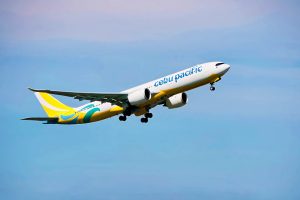
In the Philippines, local carriers Philippine Airlines (PAL) and Cebu Pacific (CEB) have been particularly hard hit.

Cebu Pacific announced the successful completion of the mandatory software update across its affected Airbus A320/A321 aircraft and the restoration of normal operations as of Nov. 30 at 10:30 a.m.

The airline offered flexible options, including free rebooking and conversion to Travel Fund, for affected passengers.

Philippine Airlines confirmed full compliance with the Airbus and EASA directive, stating that its technical teams worked “swiftly and meticulously” to complete the required upgrade.

The airline is working to normalize flight schedules as quickly as possible and urged passengers to check their flight status online.

However, the grounding of aircraft on Saturday led to the cancellation of at least 40 domestic flights, leaving hundreds of passengers stranded and scrambling for alternative travel arrangements.

Both airlines have offered refunds or rebooked tickets to affected passengers.

Software Blame Game: Thales Points Finger at Airbus

While Airbus has apologized for the inconvenience, the company has remained tight-lipped about the specific software developer responsible for the faulty code.

Aerospace and defense company Thales, which manufactures the flight control computer, confirmed its compliance with Airbus’s technical specifications and certifications from EASA and the FAA.

However, Thales pointed out that “the functionality in question relies on software not under Thales’s purview,” effectively shifting the blame back to Airbus.

Long-Term Implications, Safety Concerns

The incident raises serious questions about the robustness of software testing and quality control within the aviation industry.

As the A320 remains the best-selling aircraft globally, with over 12,257 units sold by the end of September, the potential for future incidents remains a significant concern.

Airlines and regulatory agencies are now under pressure to ensure that all affected aircraft are promptly updated and that rigorous testing protocols are in place to prevent similar incidents from occurring in the future.

Leave a Reply

Back To Top