Monday, April 13, 2026 - 03:55 AM
Subscribe/Login
In the Eye of the Storm: How a Simple “Thank You” Redefined Conflict in the Gulf

In the Eye of the Storm: How a Simple “Thank You” Redefined Conflict in the Gulf

A female U.S. pilot received help from local residents in Kuwait after her jet was accidentally shot down by air defenses.

In the Eye of the Storm: How a Simple “Thank You” Redefined Conflict in the Gulf

By Bing Jabadan – TheNATIONWEEK.com | March 4, 2026

KUWAIT – In a world perpetually grappling with geopolitical tensions, a recent incident in Kuwait has offered a profound and unexpected counter-narrative, compelling us to reconsider the enduring power of compassion. Amid escalating regional hostilities in March 2026, the moment a U.S. Air Force pilot, after ejecting over Kuwait due to a friendly-fire incident, was met with overwhelming kindness from local citizens transcended the immediate conflict. This remarkable event illuminated the profound capacity for individual humanity and broader regional resilience within the Gulf states, even as the storm of geopolitical strife raged. This investigative feature delves into the layers of this incident, revealing a powerful testament to empathy amidst adversity.

A Beacon in the Fog of War: The Redefining Act of Compassion

The incident unfolded as a tragic “friendly-fire” mishap. A U.S. Air Force F-15E Strike Eagle, participating in a joint U.S.-Israeli air campaign against Iran, was accidentally brought down by Kuwaiti air defenses. The pilot, identified only by her callsign “Valkyrie,” ejected into what could have been a hostile and terrifying landscape.

Yet, what transpired defied expectations. “Valkyrie” was met not with animosity but with an outpouring of concern from Kuwaiti locals. A poignant viral video captured their urgent inquiries: “You’re fine? Really? Do you need something to help you?” The most striking and globally resonant moment, however, was a simple, profound “thank you.” One Kuwaiti, despite the accidental downing of the aircraft by his nation’s defenses, expressed gratitude to the pilot, asserting that she was “helping them.” This singular act fundamentally transformed the narrative from one of conflict and error to one of shared purpose and solidarity, echoing far beyond the immediate scene.

This powerful encounter vehemently refutes common stereotypes, asserting that “goodness is not confined to nationality, race, or faith.” Instead, it was “sheer humanity” that shone through, a stark and vital contrast to typical headlines dominated by narratives of division and violence.

A Region on Edge: The Geopolitical Crucible

The F-15E incident did not occur in a vacuum; it was set against a backdrop of extreme volatility across the Gulf in March 2026. The U.S. and Israel had initiated “Operation Epic Fury,” a joint air campaign targeting critical Iranian infrastructure, with confirmed reports of “dozens of high-ranking officials” killed. This offensive significantly heightened regional tensions.

Further compounding the instability, the UAE endured a “blatant attack involving Iranian ballistic missiles,” resulting in “material damage” and “one civilian death.” The UAE swiftly condemned this as a “dangerous escalation,” unequivocally asserting its “full right to respond.” Simultaneously, Saudi Arabia escalated its rhetoric, with Crown Prince Mohammed bin Salman authorizing a “military response against Iran if necessary,” signaling a potential widening of the conflict. It was within this intensely charged and precarious geopolitical environment that the Kuwaiti act of compassion emerged, rendering it all the more remarkable and impactful.

Beyond Individual Kindness

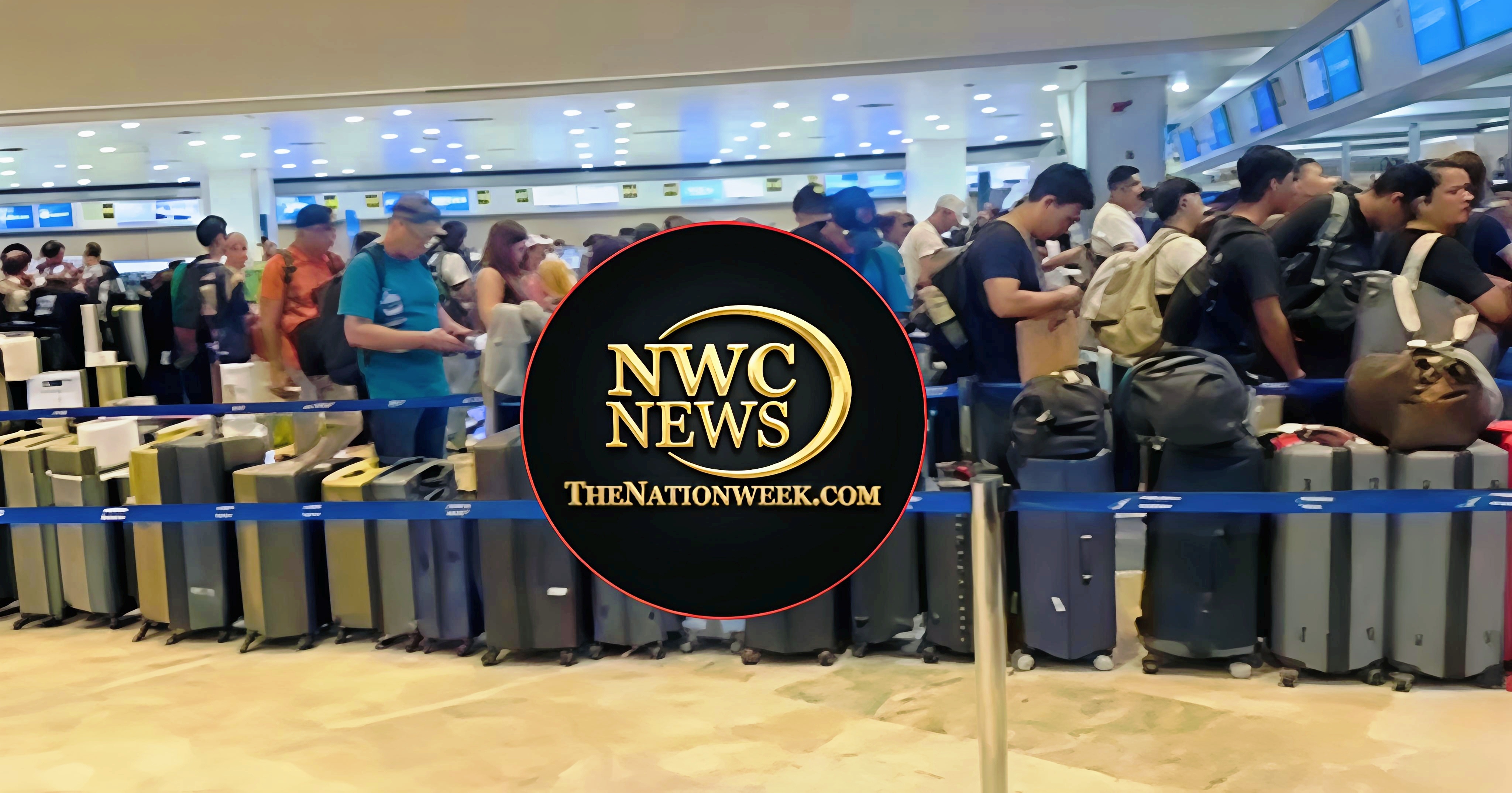
Beyond the extraordinary individual kindness witnessed in Kuwait, the UAE demonstrated exemplary institutional crisis response in the face of the missile attacks and widespread travel disruptions. Abu Dhabi and Dubai issued an unprecedented directive: “Don’t check them out. We’re paying.” This swift and decisive action covered accommodation and meals for “over 20,000 passengers” stranded by the attacks, effectively averting widespread chaos and panic. The private sector also rallied, offering free apartments and further support.

This proactive, compassionate, and highly organized approach stood in stark contrast to typical crisis scenarios often marred by disorganization and fragmented responses. The UAE showcased remarkable efficiency and centralized care, while its Ministry of Defence effectively combated misinformation, ensuring stability and public trust.

This parallel narrative—individual Kuwaiti kindness juxtaposed with institutional UAE resilience—reveals a compelling regional capacity for both profound empathy and collective humanitarian action amidst grave threats. It speaks to a robust societal fabric that, even under immense pressure, prioritizes human well-being and stability.

Kindness Transcends All Boundaries

The indelible image of the downed U.S. pilot being aided by compassionate Kuwaiti hands tells “a deeper story: that beneath the noise of conflict, most people simply want peace, safety, and dignity for all.” It is a powerful reaffirmation that “kindness is universal. It transcends borders. It speaks every language.” In a world too often consumed by division, this incident serves as a poignant reminder that humanity’s unifying forces frequently lie dormant, patiently waiting for the opportune moment to surface. Sometimes, in “the most unexpected places, it shines the brightest,” offering an enduring beacon of hope for our shared human experience and a path towards greater understanding even in the shadow of conflict.

Leave a Reply

Back To Top