Monday, April 13, 2026 - 03:54 AM
Subscribe/Login
NAIA’s New Management, Old Problems: A Crisis of Confidence Amidst “Upgrades”

NAIA’s New Management, Old Problems: A Crisis of Confidence Amidst “Upgrades”

NAIA’s New Management, Old Problems: A Crisis of Confidence Amidst “Upgrades”

By Bing Jabadan – TheNATIONWEEK.com | April 10, 2026

MANILA, Philippines – The Ninoy Aquino International Airport (NAIA), the Philippines’ vital international gateway, finds itself ensnared in a critical paradox. While the New NAIA Infra Corp. (NNIC) touts record passenger traffic and substantial remittances to national coffers, a troubling cascade of operational failures, infrastructure collapses, and widespread traveler frustration paints a starkly different reality. This investigation reveals a deep-seated crisis of crumbling infrastructure, dubious regulatory oversight, and a rapidly eroding public trust. Is NAIA’s highly publicized privatization merely a superficial veneer over decades of systemic neglect and, more alarmingly, potential misgovernance?

Infrastructure Failures Expose a Fragile System

The promise of a revitalized NAIA under NNIC’s stewardship is being violently unraveled by a distressing pattern of infrastructure failures that are not isolated incidents but symptoms of a more profound systemic fragility.

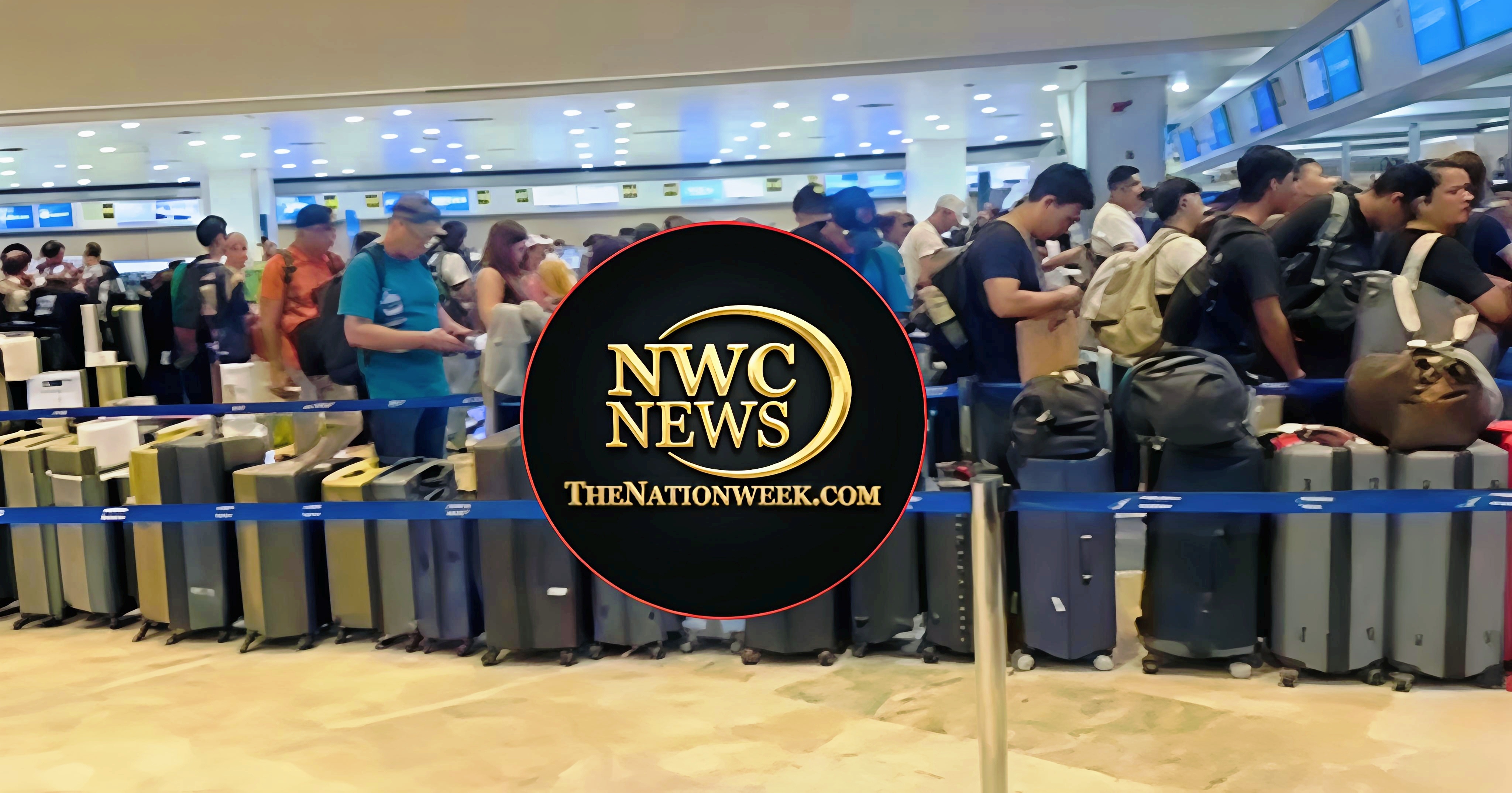
On April 8, 2026, hundreds of departing passengers at NAIA Terminal 1 endured agonizing delays as compelling video evidence surfaced of a perpetually malfunctioning baggage conveyor system. This is not a novel issue; it is a recurring nightmare for travelers, particularly for overseas Filipino workers (OFWs) whose precious time is often directly linked to their livelihood and remittances.

“They said privatization would improve NAIA’s service? All that’s gone up are prices, not the quality of service. We need good service, not inflated costs,” an anonymous OFW lamented, articulating a widespread sentiment. Another echoed, “I thought service would be better because it’s private, but it’s the same old NAIA problems.” These voices underscore a bitter disappointment that the much-heralded change has brought little tangible improvement to the daily travel experience.

Even more alarmingly, on April 3, 2026, a ceiling panel dramatically collapsed at the NAIA Terminal 1 extension, injuring seven passengers. This was no mere accident; it was a brutal and undeniable expose of severe deficiencies in the government’s much-lauded revitalization efforts and the alarming state of regulatory oversight. The incident, confirmed by NNIC as occurring in the West Arrival Curb C area, outside the main terminal building, demands an immediate, transparent, and unsparing investigation into its root causes and the accountability of all responsible parties.

NNIC: The Concessionaire’s Burden?

As the concessionaire entrusted with “upgrades” and ongoing maintenance, NNIC bears primary and unequivocal responsibility for the structural integrity and operational efficiency of the airport. Were maintenance schedules rigorously adhered to? Were materials procured and installed to meet stringent safety and quality standards? Any shortcomings in these critical areas directly implicate NNIC, raising serious questions about both the pace and quality of their promised facility enhancements, which passengers widely describe as progressing at a “snail’s pace.” The disconnect between NNIC’s claims of operational improvements and the visible degradation of facilities is growing increasingly stark.

MIAA: A Regulator or an Enabler?

The role of the Manila International Airport Authority (MIAA) as the designated regulatory body is paramount, serving as the ultimate guardian of public safety and operational compliance. Its uncompromised duty is to ensure NNIC fulfills its contractual obligations, that all projects meet exacting safety standards, and that all airport operations comply with established national and international regulations.

However, recent incidents and, crucially, a controversial decision by MIAA leadership cast a long and troubling shadow of doubt on its impartiality, independence, and unwavering commitment to its core regulatory functions.

“MIAA is supposed to be the regulatory body; however, it seems that the MIAA is the one being regulated and follows whatever the NNIC says,” an anonymous airport employee stated, revealing a deeply concerning perception from within.

This perception is significantly amplified by a highly controversial memorandum issued by MIAA General Manager Eric Jose C. Ines on February 23, 2026, and effective April 1, 2026. This directive mandated the complete withdrawal of all Airport Police Department (APD) personnel from their long-established posts within NAIA Terminals 1, 2, and 3.

MIAA’s leadership risks being perceived as prioritizing the operational desires of its concessionaire over its own internal law enforcement capabilities and fundamental security infrastructure. This strategic redeployment critically blurs the essential distinction between an independent regulator and an entity seemingly preoccupied with the operational imperatives of its concessionaire. The perception of MIAA’s leadership actively facilitating NNIC’s operational needs, while simultaneously being tasked with objectively regulating NNIC’s performance and compliance, creates an undeniable and egregious conflict of interest that demands immediate scrutiny and resolution.

Billions in Revenue, Minimal Improvements: Where is the Money Going?

NAIA indeed reached a new milestone in January 2026, handling a record 4.96 million passengers, fueled by a post-holiday travel surge. NNIC reported that this surge followed a robust holiday travel period from December 20, 2025, to January 4, 2026, serving nearly 2.6 million passengers. NNIC attributes these figures to “operational improvements” like “terminal upgrades,” biometric e-gates, and enhanced coordination, claiming these measures have maintained stable operations.

However, despite these unprecedented passenger figures and the substantial P62.7 billion NNIC has reportedly remitted to the national government since assuming operations in September 2024, the tangible benefits for the average traveler remain conspicuously elusive.

“We’re seeing record numbers and hearing about billions in revenue, but the terminals still feel outdated and congested,” commented a frustrated traveler. “Where is the money going? We need to see real improvements in the waiting areas, restrooms, and overall airport infrastructure.” This sentiment perfectly encapsulates the gaping disconnect between the celebratory pronouncements of NNIC and MIAA and the daily, often frustrating, reality faced by millions of passengers.

The public-private partnership agreement explicitly mandates NNIC to operate, maintain, and modernize NAIA. Yet, the critical question looms: is this modernization a genuine, transformative overhaul, or a piecemeal effort overshadowed by fundamental failures, regulatory compromises, and a significant lack of transparency in how billions in revenue are being deployed for the benefit of the traveling public?

A Call for Accountability and Transparency

As NAIA continues to grapple with increasingly overwhelming passenger volumes and a growing litany of operational crises, the pressure is mounting exponentially on both NNIC and MIAA to address these pressing concerns with urgency, integrity, and decisive action. The future and reputation of the Philippines’ premier airport hinge not merely on passenger numbers and financial remittances, but on the ability of its operators and regulators to genuinely deliver a safe, efficient, and truly world-class travel experience that reflects the nation’s aspirations.

The coming months will be absolutely crucial in determining whether the high-stakes promise of modernization can finally be translated into a tangible, beneficial reality for all stakeholders, or if NAIA is condemned to remain trapped in a self-perpetuating cycle of “new management, old problems.” The Filipino public, and indeed the international community, demands nothing less than full accountability, unassailable transparency, and an immediate, demonstrable commitment to excellence.

Leave a Reply

Back To Top