Friday, May 1, 2026 - 04:11 AM
Subscribe/Login
DOJ’s Stricter Rules for Criminal Charges Get Supreme Court Nod

DOJ’s Stricter Rules for Criminal Charges Get Supreme Court Nod

DOJ’s Stricter Rules for Criminal Charges Get Supreme Court Nod

By Bing Jabadan – TheNATIONWEEK.com | March 13, 2026

MANILA, Philippines – The Supreme Court (SC) has affirmed the legality of a Department of Justice (DOJ) circular that raises the evidentiary bar for filing criminal charges, moving from a “probable cause” standard to “prima facie evidence with reasonable certainty of conviction” in preliminary investigations and inquest proceedings.

This decision strengthens the requirement for prosecutors to build robust cases before proceeding to court.

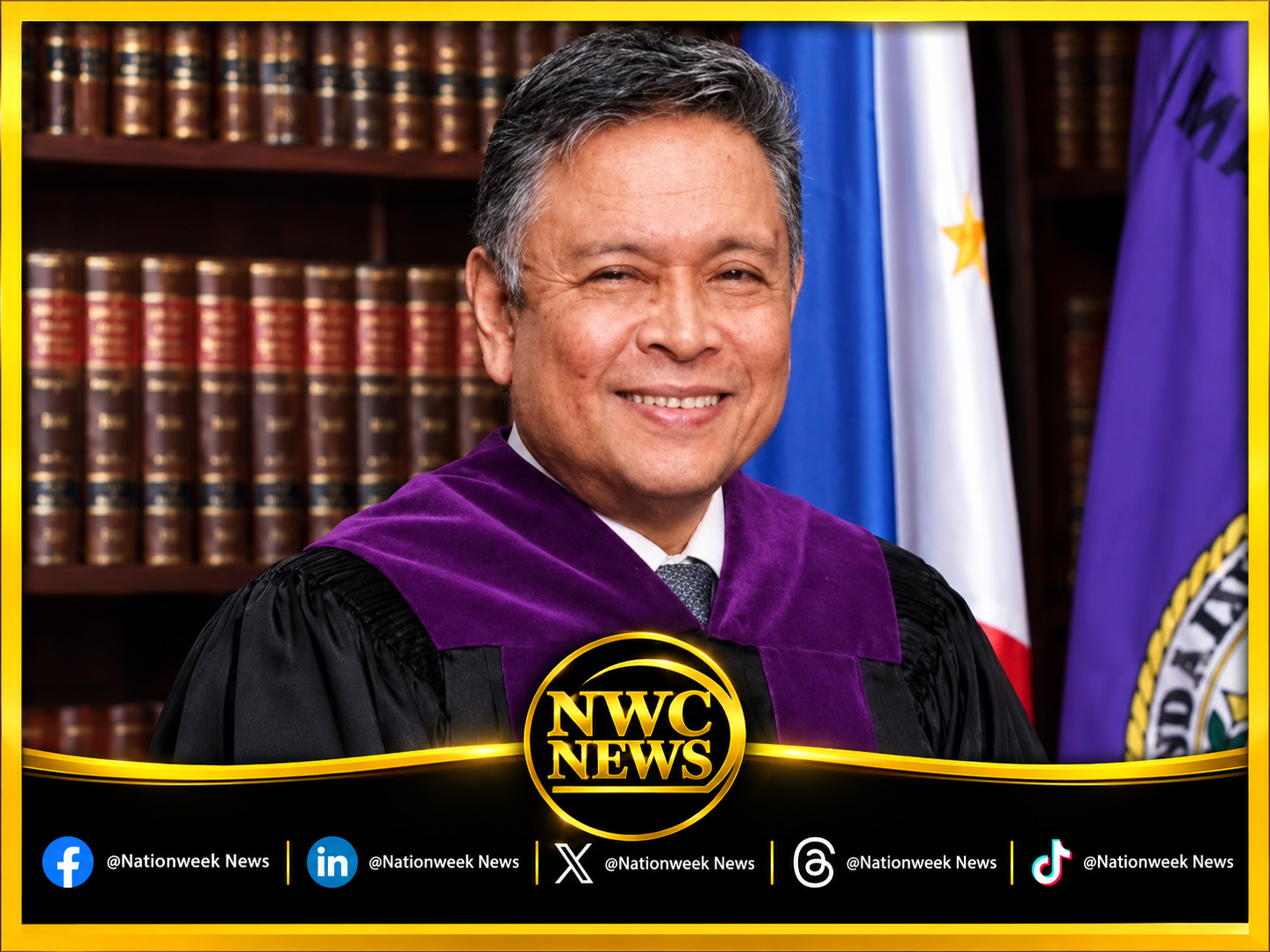
In a decision penned by Associate Justice Japar B. Dimaampao, the SC En Banc declared Department Circular No. 15, series of 2024 (the 2024 DOJ-National Prosecution Service Rules on Preliminary Investigation and Inquest Proceedings), a valid exercise of the DOJ’s authority over its prosecutorial functions.

The new DOJ Rules now mandate that for a person to be charged with a crime, prosecutors must ensure the evidence presented sufficiently establishes all elements of the offense and leads to a reasonable certainty of conviction.

The SC dismissed a petition challenging the circular, filed by Atty. Hazel L. Meking, who claimed the DOJ overstepped its bounds by encroaching on the Supreme Court’s exclusive constitutional authority to promulgate rules of court procedure.

Meking had argued the DOJ Rules effectively revised Rule 112, Section 3(a) of the Rules of Criminal Procedure, which previously set “probable cause” as the standard.

The High Court reiterated its previous ruling in A.M. No. 24-02-09-SC, emphasizing that while the power to create rules for all courts is exclusively the SC’s, preliminary investigation is an executive function, not a judicial one.

It is an integral part of the prosecutor’s duty within the Executive Department to ascertain if there are sufficient grounds to charge an individual with a crime.

The SC had already recognized this executive domain when it revised the Rules of Criminal Procedure in 2005.

To ensure harmony, the SC, in 2024 through A.M. No. 24-02-09-SC, also ordered the repeal of conflicting provisions within Rule 112.

The Supreme Court clarified that these DOJ Rules apply solely to preliminary investigations and inquests conducted by prosecutors and do not govern court procedures.

The SC’s constitutional rule-making authority over judicial proceedings remains supreme, as does its power to correct any prosecutorial rule or action that constitutes grave abuse of discretion or violates constitutional rights.

Senior Associate Justice Marvic M.V.F. Leonen, in his concurring opinion, underscored that the power to prosecute crimes falls within the President’s constitutional mandate to faithfully execute laws.

Consequently, he stated, the DOJ, acting as the executive branch’s representative, is fully authorized to promulgate its own rules concerning preliminary investigations and inquest proceedings.

Leave a Reply

Back To Top