Saturday, May 2, 2026 - 07:51 AM
Subscribe/Login
Trump urges China, NATO allies to deploy warships to Hormuz Strait

Trump urges China, NATO allies to deploy warships to Hormuz Strait

President Donald Trump, speaking to reporters aboard Air Force One, urges NATO countries and China to assist the U.S. in securing the vital Strait of Hormuz.

Trump urges China, NATO allies to deploy warships to Hormuz Strait

By Paul V. Young – TheNATIONWEEK.com | March 16, 2026

WASHINGTON, D.C. – The Middle East teeters on the brink of a full-scale regional conflict, with the Strait of Hormuz, the world’s most critical energy chokepoint, now effectively paralyzed.

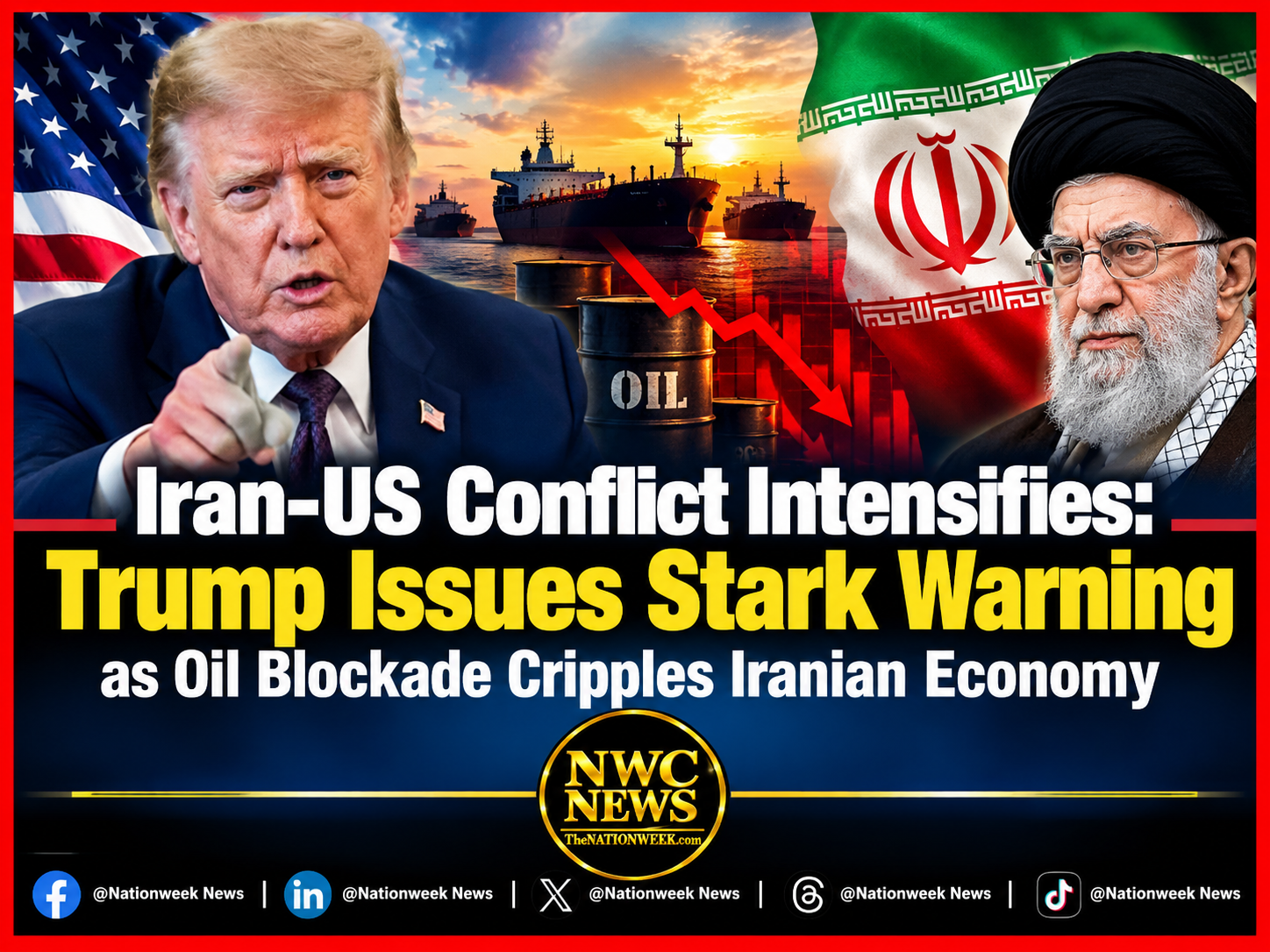
In a desperate bid to avert a global economic catastrophe, U.S. President Donald Trump has issued a stark ultimatum to China and other international partners: commit to securing the embattled waterway or face the potential collapse of NATO.

This urgent appeal unfolds against a rapidly deteriorating backdrop of widening hostilities, including Israeli ground operations in Lebanon, reported strikes in Iran and the UAE, and an unprecedented diplomatic and economic rupture between the UAE and Iran.

The escalating crisis has already triggered a dramatic surge in global oil prices and ignited international alarm.

Strait of Hormuz: A Global Flashpoint and Test of International Resolve

President Trump, speaking from Air Force One, claimed “some positive response” to his plea for assistance in the Strait of Hormuz, though specific nations remain unnamed.

He underscored the strait’s paramount importance, through which a staggering 90% of China’s oil imports and a significant portion of the world’s energy supply transit.

Its current closure to shipping poses an existential threat to global energy security.

However, concrete international military commitment remains largely elusive.

While several nations have acknowledged Trump’s request, none have yet pledged military assets.

China’s Strategic Ambiguity

Beijing, through Foreign Ministry spokesperson Lin Jian, expressed deep alarm but conspicuously avoided direct questions regarding military deployment.

China emphasizes an immediate cessation of all military actions and is engaged in ongoing discussions for a planned summit between Trump and Chinese leader Xi Jinping, adding a layer of diplomatic complexity.

Japan’s Measured Caution

Prime Minister Sanae Takaichi declared Japan is “not yet planning to send ships,” prioritizing a thorough review of independent actions within existing legal frameworks, signaling a preference for diplomatic over military solutions.

Australia’s Firm Refusal

Transport Minister Catherine King explicitly stated Australia would “not be sending ships,” asserting that no formal request for such assistance had been made, reinforcing a position of non-intervention.

South Korea’s Deliberation

Seoul indicated a “careful review” of Trump’s request, promising close communication with the U.S., reflecting a cautious approach to direct involvement.

UK’s Exploratory Stance

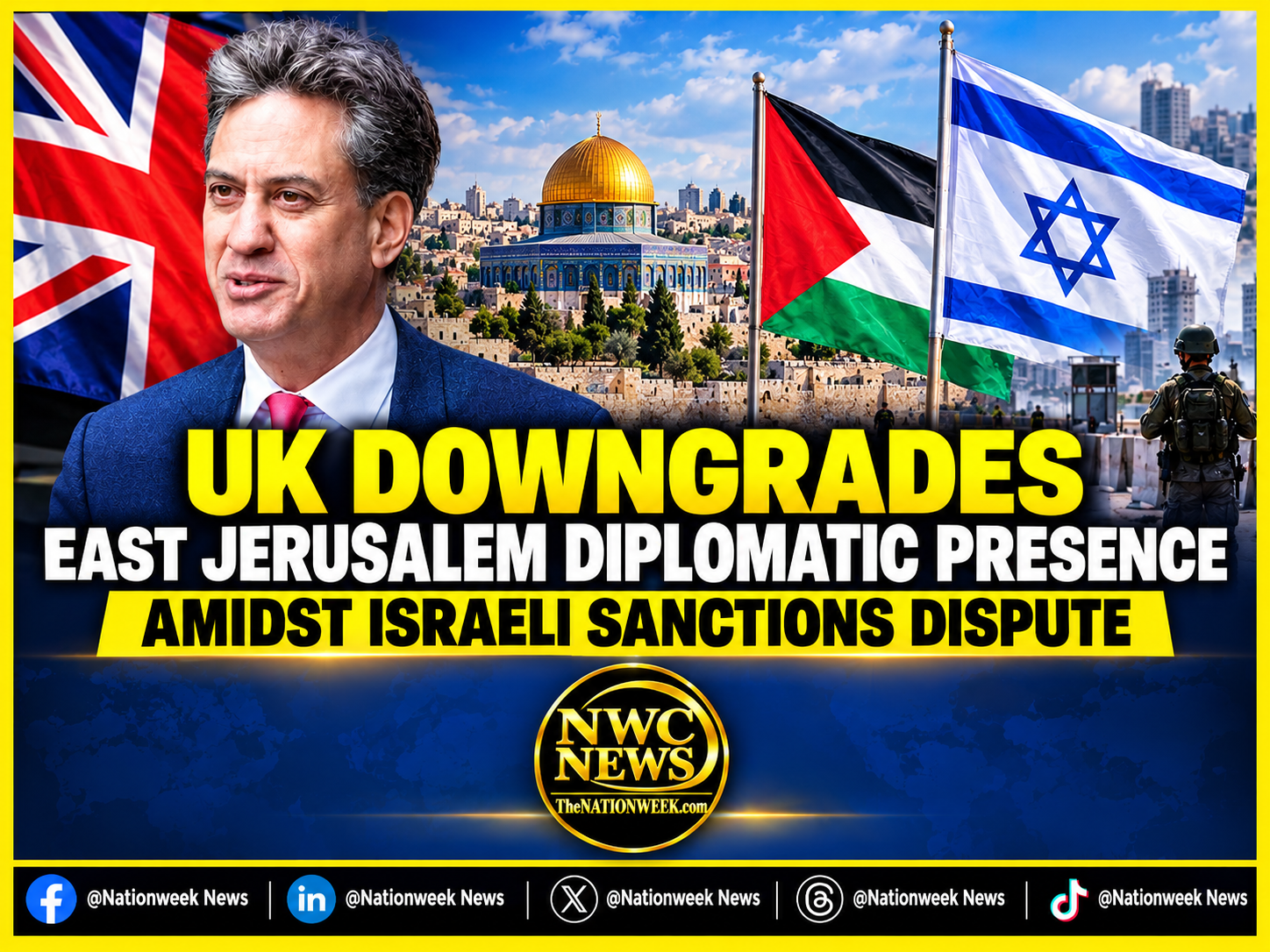
Energy Secretary Ed Miliband affirmed the United Kingdom is “exploring options” to secure the strait, without providing specific details but alluding to various potential contributions with allies, suggesting a flexible yet uncommitted position.

European Union foreign policy chief Kaja Kallas, ahead of a Foreign Affairs Council meeting, stressed Europe’s “interest” in keeping the Strait of Hormuz open.

While confirming ongoing discussions with U.S. counterparts, she noted the situation’s inherent volatility and reiterated that the crisis falls outside NATO’s direct area of action, underscoring a distinct European perspective on collective security responsibilities.

Escalating Regional Hostilities: A Web of Interconnected Conflicts

The urgent call for assistance in the Strait of Hormuz is unfolding against a rapidly intensifying backdrop of military actions across the Middle East, transforming the region into a complex theater of interconnected conflicts.

Lebanon’s “Limited Ground Operations”

Israel announced “limited and targeted” ground operations against Hezbollah in southern Lebanon, coinciding with fresh airstrikes that have rocked Beirut’s suburbs.

This marks a significant and dangerous escalation in the conflict’s geographical scope, pushing the region closer to a broader conflagration.

Strikes in Iran and UAE: Unverified Accounts and Civilian Casualties

 Smoke plumes were reported over Tehran amid accounts of “loud booms” from Iranian state media, suggesting internal unrest or external strikes. Concurrently, a missile strike in Abu Dhabi, United Arab Emirates, tragically resulted in at least one Palestinian civilian fatality after hitting a civilian vehicle in the Al Bahyah area.

The origin and precise target of the missile remain under active investigation, adding to the fog of war.

Disruptions in Dubai: Impact on Critical Infrastructure

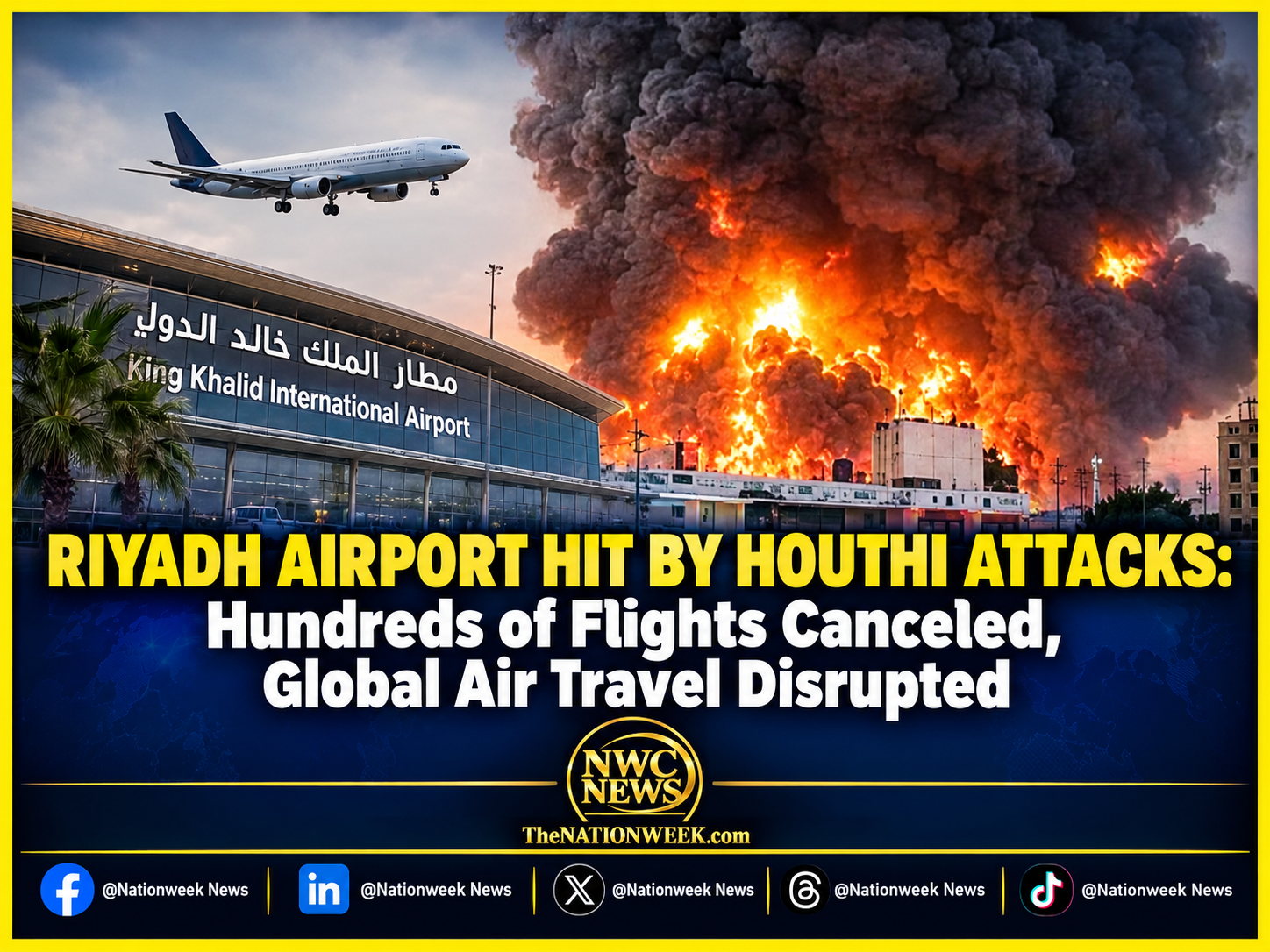
A fire near Dubai International Airport led to several hours of flight suspensions, adding a layer of operational instability and directly impacting critical global infrastructure, symbolizing the pervasive nature of the crisis.

Economic Fallout: Oil Prices Soar Amidst Global Instability

The intensifying crisis in the Middle East, particularly the disruptions to the Strait of Hormuz, has sent global oil prices spiraling.

On Sunday, oil reached its highest level since July 2022, prompting EU energy ministers to convene for urgent discussions on Monday to address rising energy costs and formulate potential mitigation strategies against a looming energy crisis.

Domestic U.S. Response: Congressional Scrutiny of Executive War Powers

Domestically, U.S. House Minority Leader Hakeem Jeffries announced that the House of Representatives will again vote on a war powers resolution aimed at limiting President Trump’s authority to engage in the conflict with Iran.

Jeffries indicated that several Democrats who previously voted against the resolution have expressed a willingness to support it in the upcoming vote, highlighting a growing congressional concern over executive war powers and a desire to assert legislative oversight in matters of war.

The UAE’s Decisive Hammer Blow: A Geopolitical Earthquake

In a dramatic and unprecedented move, Dubai has delivered a “hammer blow” to its long-standing relationship with Iran, fundamentally altering the geopolitical landscape of the Gulf.

All major Iranian-run institutions in the emirate – a hospital, five community schools, and the main social club – are being forcibly closed.

Iranian government-linked staff have been given until mid-March 2026 to leave the country.

This decisive action follows Iran’s recent 14-day missile and drone campaign, which reportedly involved 293 ballistic missiles and 1,540 drones, killing six and wounding 131 in the UAE.

Tehran’s embassy in Abu Dhabi was already shuttered on March 1. Now, the economic and social arteries that once connected 400,000–500,000 Iranians to Dubai life are being severed.

Hundreds of millions in annual trade and an estimated $300 billion in Iranian-held assets are caught in the fallout, representing a profound economic and social rupture.

The message from the UAE is unmistakable: crossing fundamental “red lines” carries catastrophic consequences, threatening the loss of deeply embedded economic and social ties.

While the asymmetric math of this confrontation promises to hurt both sides, the UAE appears to be betting its substantial defense budget (estimated between $1.3–2.6 billion) can absorb the hit more effectively than Iran’s proxies can continue to destabilize and bleed the region.

This move signifies a hardened resolve and a willingness to escalate the economic and diplomatic conflict in response to perceived Iranian aggression, reshaping regional alliances and power dynamics for years to come.

As the Strait of Hormuz remains a critical “risk point” and the Middle East plunges deeper into a multifaceted conflict, the global community faces the profound challenge of de-escalation, ensuring energy security, and preventing further humanitarian catastrophe.

The coming days will be crucial in determining the international response to this increasingly complex and dangerous crisis, with the potential for widespread and long-lasting global repercussions.

The North Atlantic Treaty Organization (NATO) is an intergovernmental military alliance formed in 1949 by 12 countries, now expanding to 32 member states across Europe and North America. Based in Brussels, member countries include: 

  • Albania (2009)
  • Belgium (1949)
  • Bulgaria (2004)
  • Canada (1949)
  • Croatia (2009)
  • Czechia (1999)
  • Denmark (1949)
  • Estonia (2004)
  • Finland (2023)
  • France (1949)
  • Germany (1955)
  • Greece (1952)
  • Hungary (1999)
  • Iceland (1949)
  • Italy (1949)
  • Latvia (2004)
  • Lithuania (2004)
  • Luxembourg (1949)
  • Montenegro (2017)
  • Netherlands (1949)
  • North Macedonia (2020)
  • Norway (1949)
  • Poland (1999)
  • Portugal (1949)
  • Romania (2004)
  • Slovakia (2004)
  • Slovenia (2004)
  • Spain (1982)
  • Sweden (2024)
  • Türkiye (1952)
  • United Kingdom (1949)
  • United States (1949)

Leave a Reply

Back To Top