Friday, October 9, 2026 - 05:16 PM
Subscribe/Login
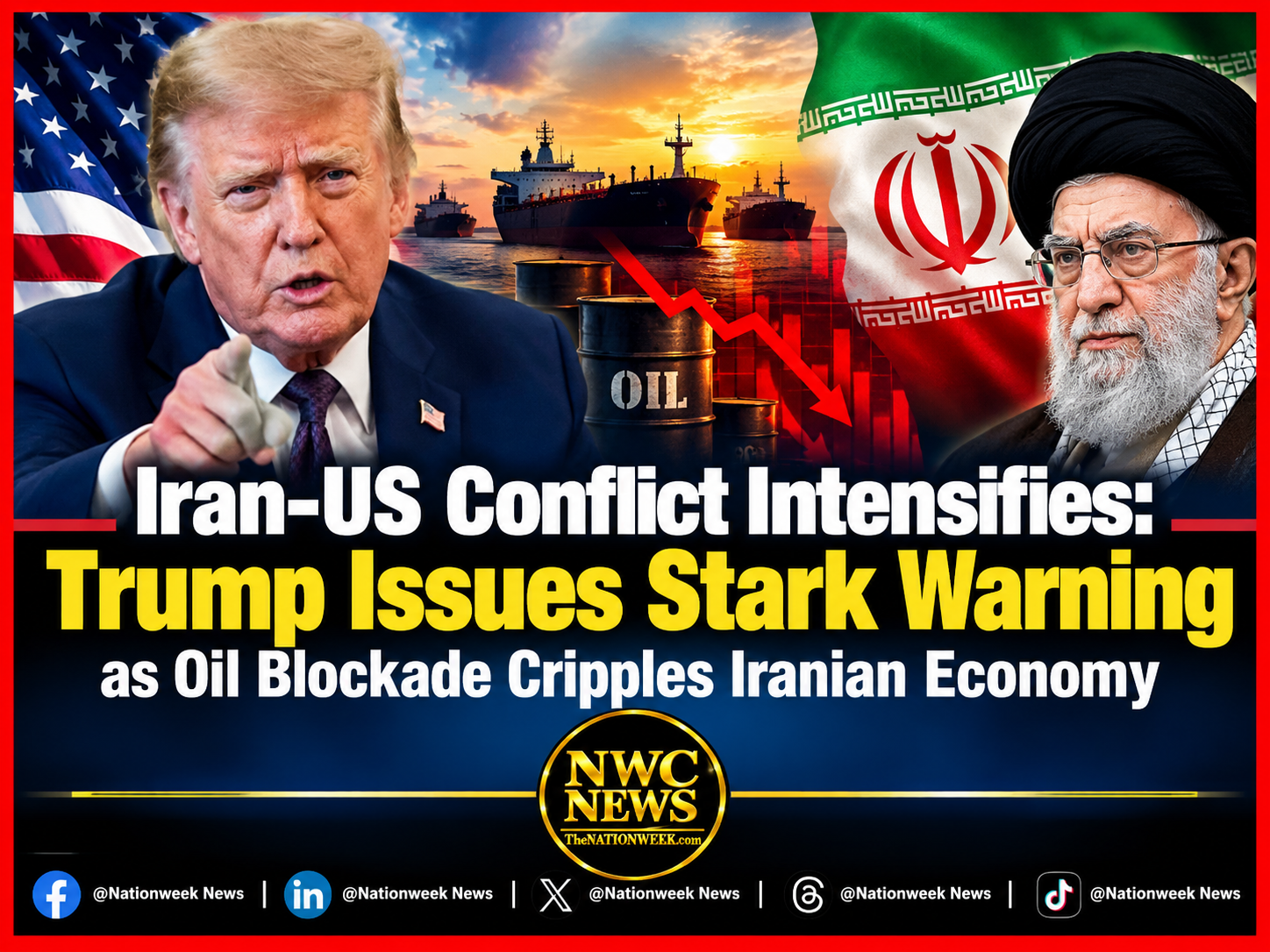
Iran-US Conflict Intensifies: Trump Issues Stark Warning as Oil Blockade Cripples Iranian Economy

Iran-US Conflict Intensifies: Trump Issues Stark Warning as Oil Blockade Cripples Iranian Economy

Iran-US Conflict Intensifies: Trump Issues Stark Warning as Oil Blockade Cripples Iranian Economy

By Paul V. Young – TheNATIONWEEK.com | October 9, 2026

WASHINGTON, D.C. / Tehran – The simmering conflict between the United States and Iran has reached a critical juncture, with President Donald Trump warning of a “not-so-nice” resolution and Vice President JD Vance demanding substantial cuts to Iran’s nuclear enrichment capacity for a permanent ceasefire. These demands come as a U.S.-led naval blockade chokes off Iran’s oil exports, severely impacting its economy and prompting questions about the resilience of the Tehran regime.

President Trump, claiming Iran’s military is “effectively neutralized” and that Strait of Hormuz oil flows have normalized, stated that Washington would soon decide on a “nice way or the not-so-nice way” to end the conflict. Vice President Vance, acknowledging uncertainty about the civilian leadership’s authority after the alleged elimination of Iran’s top command, emphasized the need for a significant reduction in nuclear enrichment.

The economic pressure on Iran is undeniable. Tanker data reveals a complete halt in crude oil loading since August 25 due to the blockade, leading Treasury Secretary Scott Bessent to openly question the role of Iran’s newly appointed acting oil minister. Despite this, Central Bank Governor Abdolnaser Hemmati dismissed U.S. predictions of imminent economic collapse as “delusional,” asserting that there are sufficient foreign currency reserves for basic necessities.

Regional Fallout and Global Concerns

The escalating U.S.-Iran tensions have triggered a wave of instability across the Middle East, with several key developments unfolding:

  • Strait of Hormuz Under Attack: A tanker off the coast of Qatar reported being struck by “multiple projectiles,” resulting in an unspecified number of casualties. This incident, currently under investigation by UKMTO, underscores the extreme volatility of the crucial shipping lane. Oman also evacuated 10 crew members from a vessel hit by a projectile in the Strait.
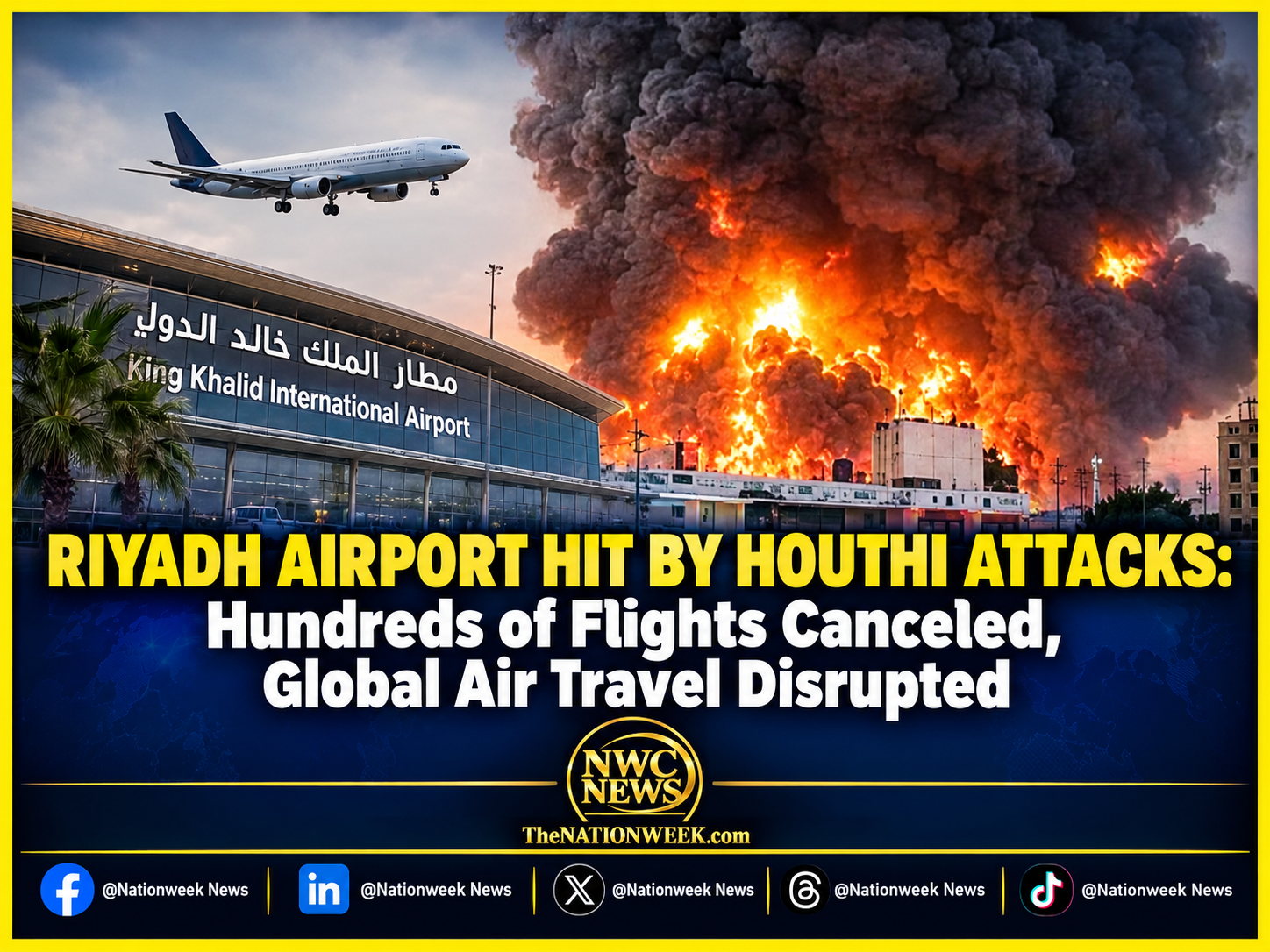
  • Houthi Aggression and Saudi Response: Yemen’s Houthi rebels claimed responsibility for ballistic missile attacks on Riyadh airport and Saudi facilities, including Abha and King Khalid International Airport, resulting in civilian casualties. Saudi Arabia confirmed these attacks, which killed Algerian, Moroccan, and Sudanese residents and injured dozens. The UAE condemned these Houthi actions, while Saudi Arabia announced the restoration of its East-West Pipeline to 5.8 million barrels per day. The U.S. mission in Saudi Arabia issued a heightened vigilance advisory for citizens due to ongoing security threats.
  • Humanitarian Crisis in Yemen: The International Monetary Fund (IMF) approved an 18-month policy advisory program for war-ravaged Yemen, aiming for economic stabilization despite the ongoing civil war. The IMF’s “Staff-Monitored Program” provides technical assistance but no financial aid to a country where a majority of the population relies on humanitarian assistance.
  • Border Skirmishes and UN Concerns: The United Nations Interim Force in Lebanon (UNIFIL) reported small-arms fire impacting one of its posts near the Israeli-Lebanese border, deeming such “deliberate attacks” unacceptable and gravely endangering peacekeepers. This incident highlights the fragility of the Blue Line demarcation.
  • Global Economic Repercussions: The conflict is having broader economic impacts. Iraq’s central bank devalued the dinar due to the war’s adverse effect on oil exports, which constitute nearly 90% of its revenue. Consumer prices have surged, and foreign currency reserves have dwindled. The International Energy Agency (IEA) has expressed readiness to release additional oil reserves, particularly diesel, to ease global supply concerns, following G7 countries’ agreement to release 100 million barrels. France also announced it would release 10 million barrels of diesel to stabilize domestic fuel prices.
  • Diplomatic Efforts and Military Preparedness:Qatar confirmed ongoing mediation efforts between the U.S. and Iran. Russian President Vladimir Putin reportedly conveyed Moscow’s readiness to assist in mediating the Middle East war to his Iranian counterpart, Masoud Pezeshkian. Meanwhile, U.S. Defense Secretary Pete Hegseth visited the USS Abraham Lincoln carrier strike group, commending its crew for “extraordinary heroism” during a “lengthy, difficult Iran war deployment” involving 10,000 sorties and 23,000 combat flight hours.

The multifaceted crisis underscores the precarious state of regional and global security, with the U.S.-Iran standoff at its core, while the world braces for the potential “not-so-nice” outcome.

* * *

Support Fearless Journalism.  

Advertise with Us: nationweek@yahoo.com

Donate to Us via GCash: +639267015155.

Leave a Reply

Back To Top