Wednesday, April 22, 2026 - 02:46 AM
Subscribe/Login
Iran Unleashes Widespread Attacks on US Gulf Allies, Trump Claims “Unexpected”

Iran Unleashes Widespread Attacks on US Gulf Allies, Trump Claims “Unexpected”

Iran Unleashes Widespread Attacks on US Gulf Allies, Trump Claims “Unexpected”

By Paul V. Young – TheNATIONWEEK.com | March 17, 2026

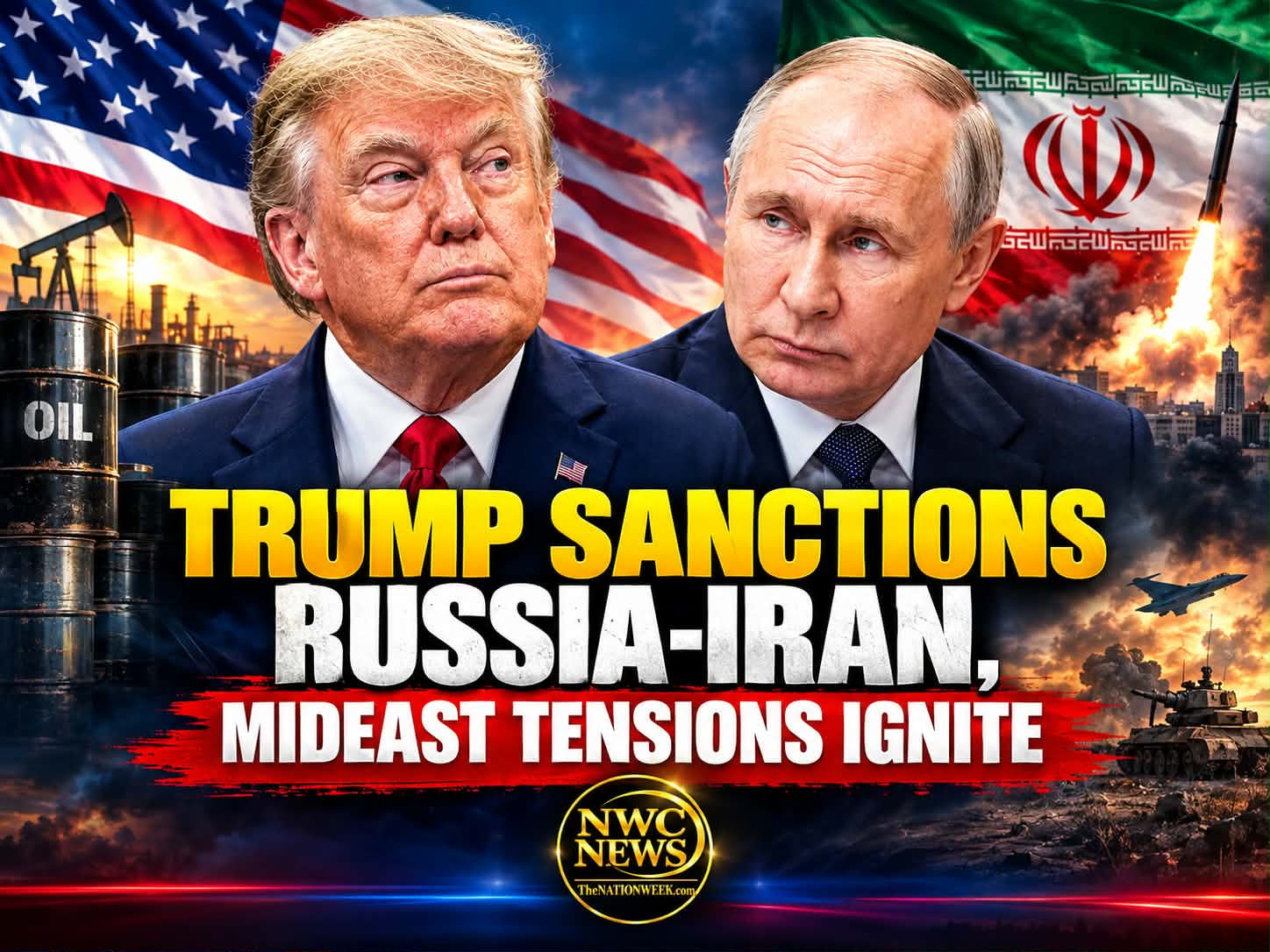
WASHINGTON, DC – The conflict in the Middle East has entered a dangerous new phase as Iran unleashes a wave of targeted attacks against oil and transport infrastructure, alongside US assets across the Gulf.

This dramatic escalation has caught the US administration by surprise, with President Donald Trump expressing shock at the scope of Iranian retaliation, despite intelligence warnings of such a possibility.

The US-Israeli offensive against Iran is now in its third week, with a grim toll of at least 2,000 lives lost and no end in sight.

The critical Strait of Hormuz remains largely paralyzed, exacerbating global energy price hikes and fueling fears of widespread inflation, as key US allies rebuff Trump’s calls for assistance in reopening the vital waterway.

Unrelenting Strikes: Iran Demonstrates Persistent Capacity, Israel Targets Tehran and Beirut

Early Tuesday saw no respite in the fierce exchange of attacks. Iran launched a barrage of missiles against Israel overnight, a powerful demonstration of Tehran’s undiminished capacity for long-range strikes despite over two weeks of relentless bombardment by US and Israeli forces.

In response, the Israeli military announced a new wave of strikes targeting “Iranian regime infrastructure” across Tehran, alongside Hezbollah sites in Beirut.

This offensive follows Israel’s earlier declaration of detailed plans for at least three more weeks of sustained conflict with Iran.

Further demonstrating the widening scope of the conflict, Iraqi security sources reported a potent assault on the US embassy in Baghdad early Tuesday.

Rockets and at least five drones targeted the diplomatic compound in what was described as the most intense attack since the war’s onset. US officials confirmed that no injuries have been reported thus far.

“Nobody Expected That”: Trump’s Surprise Contradicts Pre-War Intelligence

Iran’s aggression extended to the United Arab Emirates, forcing temporary airspace closures and a second consecutive drone strike on an oil facility in Fujairah, a crucial port for Emirati oil exports.

UAE authorities confirmed that debris from an intercepted ballistic missile in Abu Dhabi’s Bani Yas area resulted in the death of a Pakistani national, while a drone attack ignited a fire at Abu Dhabi’s Shah gas field.

President Trump expressed astonishment at Iran’s widespread strikes against its neighbors, including Qatar, Saudi Arabia, the United Arab Emirates, Bahrain, and Kuwait. “They (Iran) weren’t supposed to go after all these other countries in the Middle East,” Trump stated on Monday. “Nobody expected that. We were shocked.”

However, this claim stands in stark contrast to pre-war intelligence. According to US officials familiar with US intelligence reports, Trump had been explicitly warned that attacking Iran could trigger retaliatory strikes against US Gulf allies.

These briefings reportedly detailed the potential for a broader regional conflict, including Iranian attacks against Gulf capitals, particularly if Tehran perceived these nations as condoning or actively supporting the US bombardment. Furthermore, two other sources familiar with the matter revealed that Trump was also briefed on the likelihood of Tehran attempting to close the economically vital Strait of Hormuz.

Hormuz Closure Persists: Lack of Coalition Support for Reopening

The closure of the Strait of Hormuz, a conduit for 20% of the world’s oil and liquefied natural gas, remains a critical unresolved issue. President Trump has criticized some Western allies for their “ingratitude” after several nations rebuffed his demand for warships to escort oil tankers through the strait.

Speaking at a White House event, Trump acknowledged varying levels of enthusiasm among allies for his proposal, expressing frustration with long-standing partners.

“Some are very enthusiastic about it, and some aren’t,” he remarked. “Some are countries that we’ve helped for many, many years. We’ve protected them from horrible outside sources, and they weren’t that enthusiastic. And the level of enthusiasm matters to me.”

A growing number of US partners, including Germany, Spain, Italy, Japan, and Australia, have confirmed no immediate plans to dispatch ships to assist in reopening the strategic waterway, which Iran has effectively blocked with drones and naval mines.

German Chancellor Friedrich Merz cited the absence of a UN, EU, or NATO mandate as a key impediment, adding that Washington and Israel had not consulted Germany prior to initiating the conflict.

The head of the International Maritime Organization cautioned that naval escorts would not “100 percent guarantee” the safety of ships attempting to transit the waterway.

Trump previously suggested that China, a significant consumer of Iranian crude, should aid in opening the strait, hinting at a possible delay to a highly anticipated trip to Beijing if support was not forthcoming. On Monday, Trump confirmed he was seeking to delay the visit by “a month or so.”

Iran’s Persistent Threat: Drone Swarms and Resilient Firepower

Despite claims from the US and Israel of having decimated Iran’s military capabilities, Tehran’s fleet of inexpensive drones continues to sow chaos across the region.

Iranian parliament speaker Mohammad Baqer Qalibaf dismissed foreign reports of dwindling missile launchers, asserting on state TV, “They say that our firepower has decreased, but our offensive power, experience, and accuracy have increased.” He emphasized that regional security must be established by regional countries themselves.

Global Economic Fallout: Oil Prices Surge, Inflationary Pressures Mount

The escalating conflict has sent shockwaves through global markets. Oil prices surged over 5% on Tuesday, partially reversing previous losses amidst heightened supply concerns. Asian shares also rallied after Monday’s significant sell-off.

Investors and policymakers are grappling with the looming threat of “stagflation” – a dire scenario where higher oil prices fuel inflation while simultaneously stifling global economic growth.

The Reserve Bank of Australia, in a closely contested decision, raised its cash rate for a second consecutive month, citing the necessity of higher borrowing costs to curb rising prices.

“The Board is clearly worried that recent geopolitical developments could take a bad situation and make it much worse,” commented Abhijit Surya, senior economist at Capital Economics.

Leave a Reply

Back To Top