Thursday, April 2, 2026 - 11:57 AM
Subscribe/Login
Ph Secures Fuel from Russia, Japan Amid Hormuz Crisis

Ph Secures Fuel from Russia, Japan Amid Hormuz Crisis

Ph Secures Fuel from Russia, Japan Amid Hormuz Crisis

By Bing Jabadan – TheNATIONWEEK.com | March 31, 2026

MANILA, Philippines – Despite official denials of a crisis, the Philippines is making unprecedented moves to secure its energy supply as escalating geopolitical tensions in the Middle East and disruptions in the Strait of Hormuz send oil prices skyrocketing.

Facing critical fuel shortages and dwindling reserves, the nation has unexpectedly turned to Russia for crude while simultaneously accelerating its long-term strategic shift towards electric vehicles (EVs).

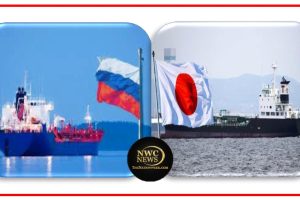
The immediate urgency is underscored by Petron Corp’s acquisition of nearly 2.5 million barrels of Russian crude, a stark deviation from previous policy.

The country’s sole refiner, responsible for 30% of national fuel needs, cited “extreme necessity” and the exhaustion of “all commercially and operationally viable alternatives” following the cancellation of four million barrels of shipments since the start of the US-Israeli-Iran conflict.

This pivot, unthinkable before the easing of US sanctions on Russian oil, highlights the Philippines’ precarious energy security and comes as national reserves are estimated to last only until June 30.

Adding to the immediate supply efforts, the Philippines recently received over 140,000 barrels of diesel from Japan following a government declaration of a national energy emergency. Additional shipments totaling approximately one million barrels from Malaysia, Singapore, and India are secured for April delivery.

However, with over 90% of its crude imports traditionally sourced from the Middle East, the nation remains highly vulnerable to regional instability.

Strategic Shift: The EV Imperative

Concurrently, the Department of Science and Technology (DOST) is aggressively pushing for the widespread adoption of locally developed electric vehicles (EVs) as a critical long-term solution.

DOST Secretary Renato Solidum Jr. emphasizes the urgency of transitioning away from fossil fuels, citing global oil price volatility, environmental concerns, and the promise of economic benefits.

The DOST is actively developing and piloting a range of EV technologies, including electric tricycles, jeepneys, ferries (like the Pasig River’s MB Dalaray), and converted buses.

Solidum highlights the significant economic advantages for public transport drivers, with electric tricycle operators reporting increased incomes due to drastically reduced operating costs – a single P80 charge can power a tricycle for an entire day.

To facilitate this transition, the DOST is also building a national charging infrastructure, including fast-charging “CharM” systems, and encouraging local government investment, particularly in solarized charging stations.

The agency is providing financial support to cooperatives and seeking private sector partnerships for mass production, aiming to make EVs more accessible and affordable for Filipinos while fostering cleaner, quieter urban environments.

The Philippines’ dual approach – an immediate, pragmatic pivot to new crude sources while rapidly investing in a sustainable EV future – underscores the profound impact of global energy shocks on vulnerable economies and the urgent need for strategic resilience.

Leave a Reply

Back To Top