Thursday, April 23, 2026 - 06:49 PM
Subscribe/Login
FIRING LINE: DepEd’s new calendar: Reform or experiment?

FIRING LINE: DepEd’s new calendar: Reform or experiment?

FIRING LINE: DepEd’s new calendar: Reform or experiment?

By Robert B. Roque Jr. | April 23, 2026

Summer vacation is in. But what’s very much around the corner is a big change in School Year 2026–2027, as the Department of Education (DepEd) is pushing full steam ahead with its proposed three-term school calendar.

For those who thought that’s the end of it, fresh objections have hogged the headlines with teachers’ groups, lawmakers, and education stakeholders asking for more study, more flexibility, and more time to transition or rethink the entire policy.

DepEd says the shift is part of a bigger reform meant to address learning disruptions caused by typhoons, extreme heat, transport strikes, and other interruptions.

Still, this question lingers: Is this really reform, or just as we say, “pabalat-bunga,” if only to claim government is leaning in with an innovative solution?

Proponents argue that their premise is practical: rearrange the school year into three comprehensively organized learning chapters and catch-up chapters, recover lost class days, and improve fluidity and efficiency in teaching.

But this neatly avoids the bigger and far uglier truth—that the crisis in Philippine education was never about the calendar.

The Philippines ranked 77th out of 81 countries in the 2022 Programme for International Student Assessment (PISA). Fifteen-year-old Filipino students are estimated to be five to six years behind in the world’s most basic literacy yardstick subjects: Math, Reading, and Science. More than 80 percent failed to reach minimum proficiency.

Those figures alone should have forced the education bureaucracy — with the top-budgeted department in government — to confront the real roots of the crisis. Ironically, the clearest diagnosis of what is truly wrong is not coming out of bureaucratic offices, but from students.

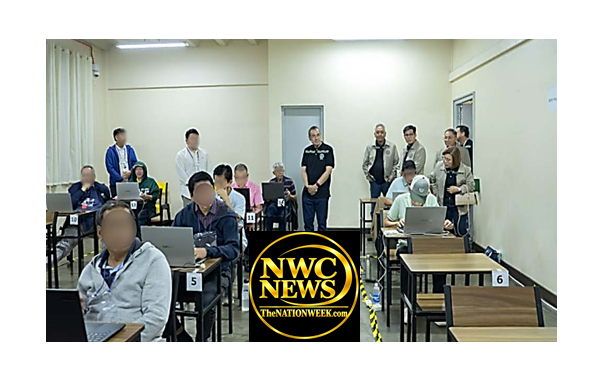
During last week’s National Schools Press Conference, the editorial writing contestants were asked to write about this proposed three-term school calendar. I was told by journalism coaches — many of them seasoned practitioners themselves — that the students saw through the issue with remarkable clarity.

Their editorials did not focus on the superficial logic of moving academic dates around. They zeroed in on the actual barriers to learning: underpaid and undertrained teachers, shortages in books and learning materials, poor internet access, lack of computers and libraries, overcrowded classrooms, and school buildings that remain unfinished or unfit for learning.

These students wrote about classrooms with leaking roofs, broken windows, and unbearable heat. They wrote about students trying to learn in rooms with no ventilation and with electric fans that exist only because parents or donors provided them. They wrote about the indignity of holding classes in tents, under trees, while school buildings remain delayed for years.

In short, these children kept their eyes on the ball.

They understand that weather disturbances may suspend classes, but the deeper disruption is what awaits them when classes resume: schools unequipped to teach, systems unequipped to support, and policies that mistake administrative adjustments for meaningful reform.

Those editorial entries from the National Schools Press Conference ought to be published and placed on the desks of education officials and lawmakers.

Because these students already understand what too many authorities seem unwilling to admit… that no calendar redesign will solve an education crisis rooted in decades of neglect.

*         *         *

SHORT BURSTS. For comments or reactions, email firingline@ymail.com or tweet @Side_View via X app (formerly Twitter). Read current and past issues of this column at https://www.thenationweek.com

Leave a Reply

Back To Top