Wednesday, September 23, 2026 - 04:09 PM
Subscribe/Login
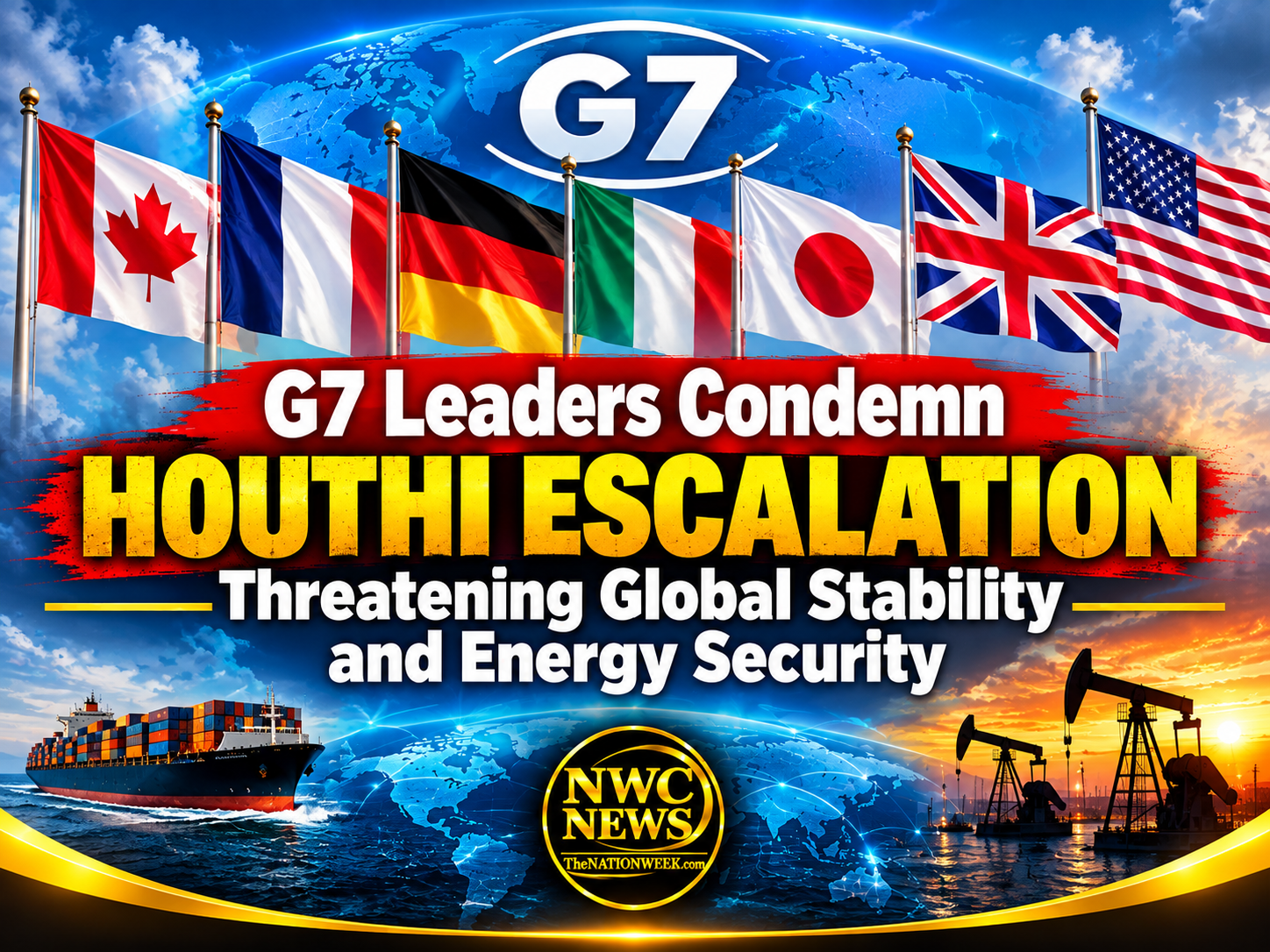
G7 Leaders Condemn Houthi Escalation Threatening Global Stability and Energy Security

G7 Leaders Condemn Houthi Escalation Threatening Global Stability and Energy Security

G7 Leaders Condemn Houthi Escalation Threatening Global Stability and Energy Security

By Paul V. Young – TheNATIONWEEK.com | September 23, 2026

BRISBANE, Australia – In a unified declaration, the G7 nations today condemned the Houthis’ escalating drone and missile strikes against Saudi Arabia, characterizing the aggression as a serious threat to regional stability, global energy security, and international maritime commerce. The statement, issued following a surge in Houthi military actions, highlights the international community’s alarm as the Iran-backed group expands its operational reach and intensifies pressure on critical infrastructure.

The G7 — comprising Canada, France, Germany, Italy, Japan, the United Kingdom, and the United States — collectively demanded an immediate cessation of all Houthi military actions, specifically citing threats against civilian shipping and calls for a genuine return to the political process. Furthermore, the alliance urged Iran to discontinue its alleged support of the Houthis, citing violations of past UN Security Council resolutions.

This condemnation comes as the Houthi movement has significantly escalated its offensive, including a recent takeover of Yemen’s entire Red Sea coast, encompassing the strategic port of Mokha. This expansion has raised concerns about the security of global trade routes and its potential to drive up energy prices worldwide. Analysts highlight that these Houthi gains consolidate Iran’s and its allies’ influence over two pivotal waterways, including the Strait of Hormuz, crucial for the broader Gulf region and Saudi Arabia’s vital crude oil exports.

Escalation and Strategic Targets

The gravity of the situation was underscored by a Houthi attack on Riyadh last Saturday, marking the first such assault on the Saudi capital in years and signaling a significant escalation. This strike follows earlier attacks on facilities belonging to Saudi oil giant Aramco in the Red Sea port city of Yanbu and the reported closure of the East-West Pipeline – a critical crude oil export route – after drone attacks launched from Iraq. In response, Saudi-led coalition strikes on the Yemeni port of Mokha reportedly resulted in at least six fatalities and eight injuries, according to Houthi-affiliated media.

International Support and Defensive Posture

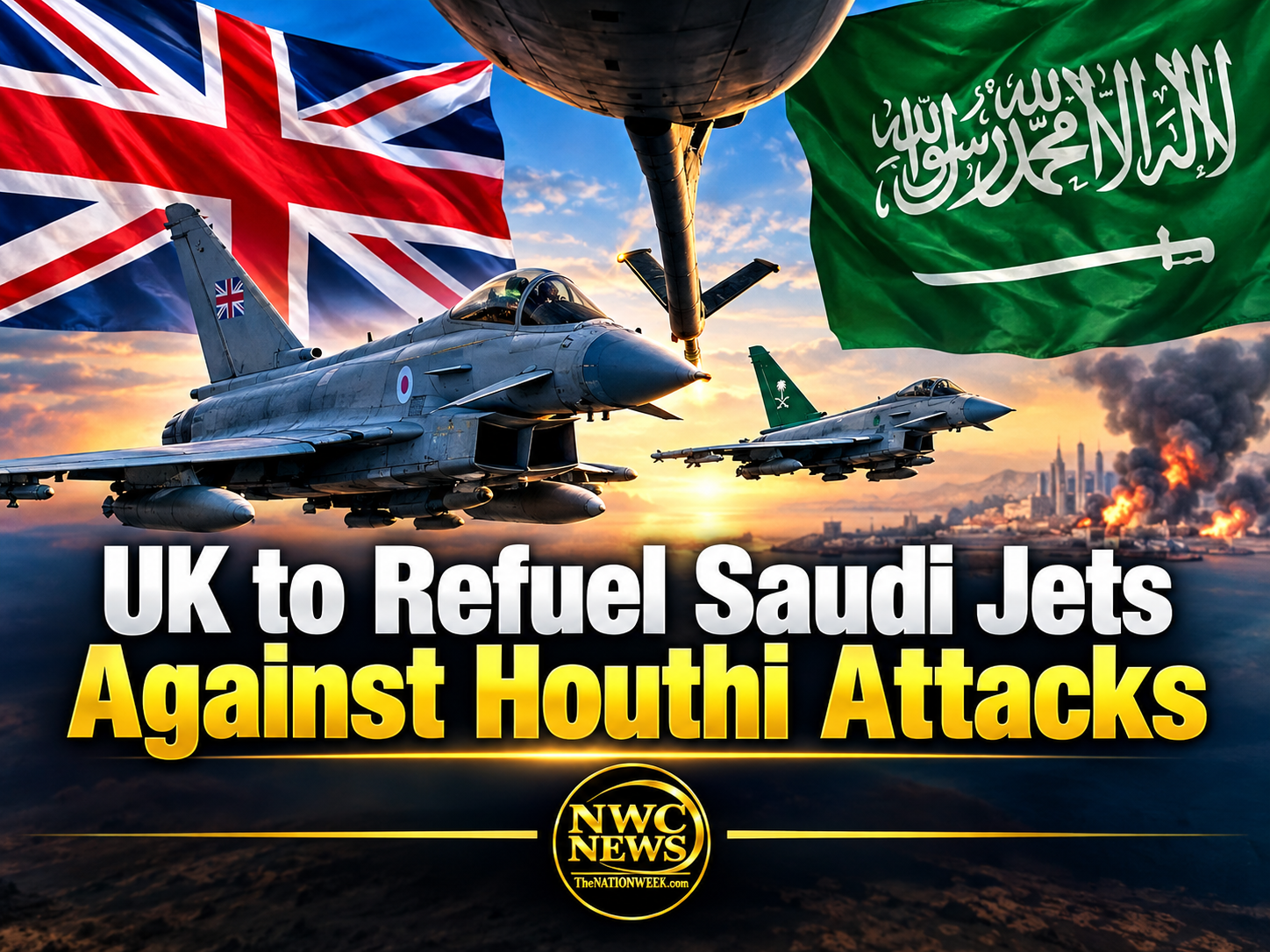
In a notable show of solidarity, both the United Kingdom and France have pledged support to Saudi Arabia. Britain confirmed it would provide “defensive” air-to-air refueling for Saudi jets, while France offered to work on “securing” Saudi energy infrastructure, emphasizing a “strictly defensive approach” that excludes direct involvement in the conflict with the Houthis.

Meanwhile, diplomatic efforts are intensifying. Rashad al-Alimi, head of Yemen’s governing body, reportedly held a call with U.S. President Donald Trump, requesting American support against the pro-Iranian fighters. While military support was not explicitly promised, the call underscored solidarity with Yemen’s embattled government. Separately, reports from U.S. media indicate that Saudi Crown Prince Mohammed bin Salman has repeatedly urged President Trump to take action against the Houthis, requests that have reportedly been rebuffed, with Trump citing Houthi assurances not to target U.S. interests.

Geopolitical Undercurrents and Emerging Alliances

The Houthis’ strategic moves are set against a complex geopolitical backdrop. Abdulmalik al-Houthi, the group’s leader, recently condemned Saudi Arabia’s extensive airstrikes on Yemen and questioned potential Saudi attempts to involve Pakistan and Turkey in the conflict for “political and financial gain.” This statement follows the recent signing of the “Mecca Joint Defence Agreement” between Pakistan, Saudi Arabia, and Turkey, a mutual defense pact emerging amidst heightened tensions between the United States and Iran, and the ongoing regional attacks by Iran-backed Houthi forces.

This crisis spotlights the intricate web of alliances and antagonisms shaping the Middle East, with the Houthis’ aggressive posture threatening a crucial U.S. ally and injecting new volatility into global energy markets and maritime security. The G7’s robust condemnation signals a clear international consensus on the gravity of the Houthi threat and a renewed call for de-escalation and a return to diplomatic solutions to avert further regional destabilization.

Leave a Reply

Back To Top