Tuesday, November 17, 2026 - 08:22 PM
Subscribe/Login
Fried Chicken Diplomacy: Australia’s Indo-Pacific Power Play

Fried Chicken Diplomacy: Australia’s Indo-Pacific Power Play

Fried Chicken Diplomacy: Australia’s Indo-Pacific Power Play

By Bing Jabadan – TheNATIONWEEK.com | November 17, 2026

MANILA, PHILIPPINES – In a potent display of “fried chicken diplomacy,” Australian Prime Minister Anthony Albanese, during his visit to Manila for the 49th ASEAN summit, officially announced the ambitious expansion of Filipino fast-food giant Jollibee into Australia.

This announcement, made at a Jollibee restaurant alongside Global President and CEO Ernesto Tanmantiong on November 15, 2026, transcends mere culinary news; it signals a profound recalibration of Australia’s diplomatic and economic engagement with the Indo-Pacific.

Jollibee is poised to establish 35 new stores across Australia within five years, initiating its strategic rollout in Victoria and parts of New South Wales. This significant expansion, facilitated by exclusive franchise agreements with Happy Food Group Pty Ltd and Lucky Bee Australia Pty Ltd, represents an estimated A$60 million investment.

The venture is projected to generate approximately 900 direct jobs in retail, logistics, and supply, with ripple effects throughout the broader supply chain. Australians can anticipate iconic menu items such as Chickenjoy, Yumburger, and Jolly Spaghetti, staples that have solidified Jollibee’s global culinary footprint.

Diplomacy Served: Beyond the Plate

Prime Minister Albanese artfully framed the Jollibee expansion as a celebration of deep cultural ties and a fortified economic partnership between Australia and the Philippines. “Food brings people together,” Albanese declared, highlighting Australia’s substantial Filipino diaspora, which exceeds 400,000 individuals and constitutes the nation’s fifth-largest migrant community. This “fried chicken diplomacy” is a calculated maneuver within Australia’s evolving foreign policy, underscoring an intensified focus on the Indo-Pacific.

While the Prime Minister’s public endorsement of a multinational corporation sparked some domestic debate – notably from the Small Business Association of Australia, which questioned the political promotion of large chains amidst local business challenges – foreign affairs experts view the gesture as strategically impactful.

Emily Foley, a research fellow at the University of Canberra, noted that while domestic political endorsements of businesses are common, their application in international diplomacy is “not particularly common,” underscoring the unique nature of Albanese’s approach.

Emeritus Professor Paul Hutchcroft emphasized Jollibee’s profound cultural resonance in the Philippines, describing it as a national symbol that successfully challenged American fast-food dominance. By publicly embracing this cultural icon, Albanese is perceived to be forging a deeper connection with a crucial Australian ally, moving beyond traditional diplomatic formalities to engage on a more culturally meaningful level.

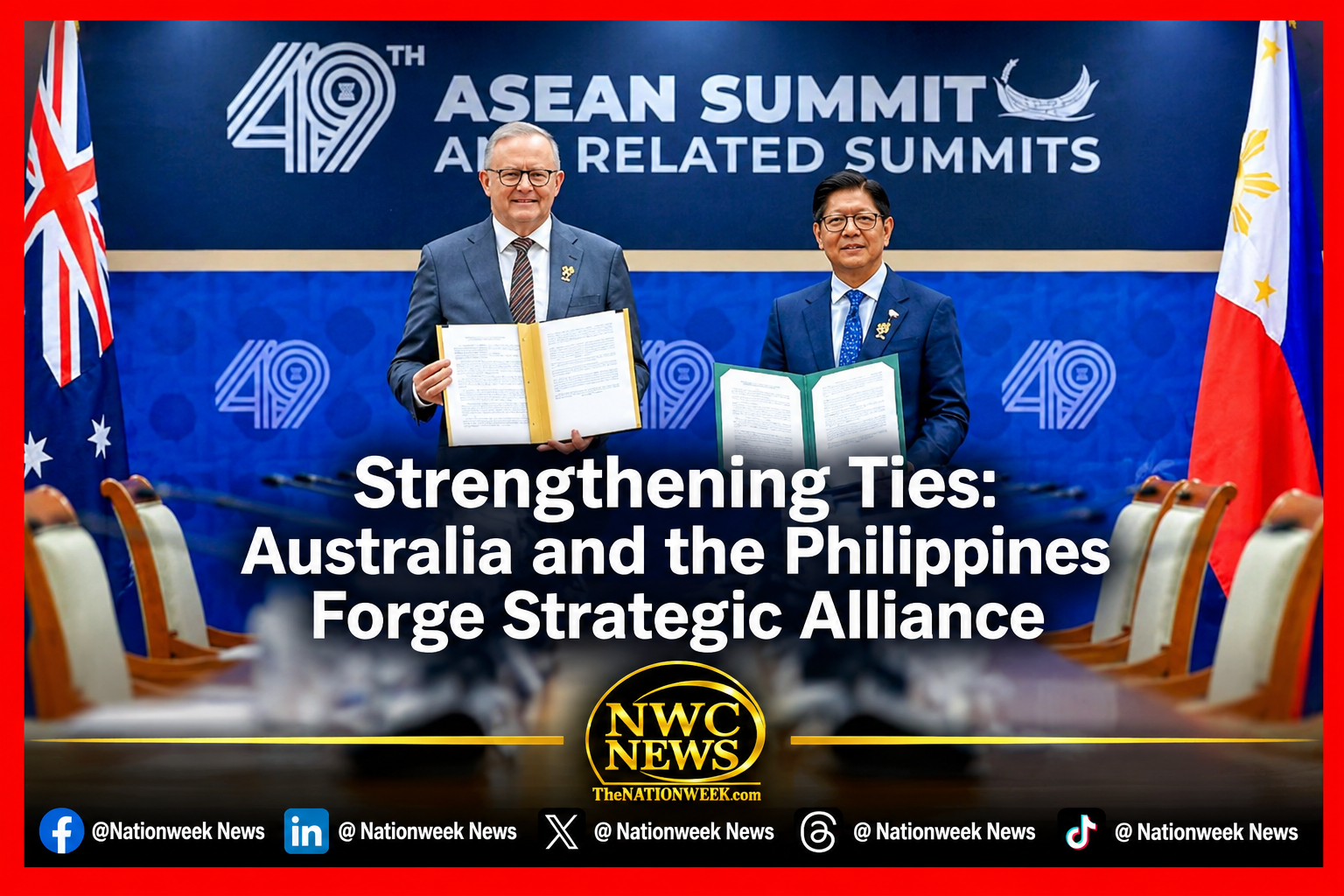
This “soft diplomacy” reinforces a broader narrative of robust regional engagement, complementing recent developments such as the defense pact between Australia and the Philippines. This agreement, designed to bolster maritime training and activities amid shared concerns about China’s assertiveness in the South China Sea, demonstrates Australia’s commitment to regional security. Albanese, however, meticulously clarified that the defense agreement aimed at “supporting the sovereignty of every country,” rather than targeting any specific nation.

Economic Aspirations and a New Diplomatic Lexicon

The Prime Minister’s proactive embrace of Jollibee aligns with his consistent efforts to encourage foreign investment and enhance market competition within Australia. This echoes a previous invitation extended to Middle Eastern retail giant Lulu Hypermarket during a 2025 visit to the UAE, demonstrating a consistent strategy to diversify Australia’s economic partnerships beyond traditional Western alliances.

Albanese’s Jollibee engagement highlights a potentially new diplomatic lexicon, one that strategically leverages cultural touchstones and economic opportunities to solidify geopolitical relationships.

By publicly championing a non-Western business from a key ASEAN partner, Australia signals a profound shift towards greater regional integration and a diversified diplomatic approach. This seemingly simple act of sharing fried chicken may, in fact, be a powerful statement about Australia’s future global orientation, marking a departure from conventional diplomacy towards a more culturally attuned and economically expansive engagement with the Indo-Pacific.

*          *          *

Your support fuels independent and fearless journalism.

To advertise with us, please contact us today at: nationweek@yahoo.com.

You can also make a donation via GCash at: +639267015155.

Follow Us On Social Media

Leave a Reply

Back To Top