Wednesday, June 3, 2026 - 02:34 AM
Subscribe/Login
Trump Engages Hezbollah, Netanyahu as Lebanon Conflict Intensifies

Trump Engages Hezbollah, Netanyahu as Lebanon Conflict Intensifies

US President Donald Trump

Trump Engages Hezbollah, Netanyahu as Lebanon Conflict Intensifies

By Paul V. Young – TheNATIONWEEK.com | June 2, 2026

BRISBANE, Australia – President Donald Trump claims to have brokered an understanding between Israel and Hezbollah amid escalating hostilities in Lebanon.

While Trump stated he asked Israeli Prime Minister Benjamin Netanyahu to withdraw troops from Beirut and that Hezbollah “agreed to stop shooting,” the situation on the ground remains volatile, marked by continued Israeli operations and the tragic loss of civilian lives.

Sources indicate Trump’s direct engagement with representatives from Hezbollah, a move that raises significant diplomatic questions given the group’s designation as a terrorist organization by the United States. Following these discussions, President Trump publicly asserted that Hezbollah had committed to ceasing attacks on Israeli forces.

However, Prime Minister Netanyahu’s office later issued a contrasting statement, emphasizing that Israel reserves the right to attack Beirut if Hezbollah continues its assaults on Israeli cities and citizens. Netanyahu affirmed that Israeli forces would “operate as planned in southern Lebanon,” suggesting a continued military presence and ongoing operations despite Trump’s intervention.

Fragile Deal Under Scrutiny

The immediate aftermath of Trump’s announcement saw the interception of two projectiles launched from Lebanon into Israeli territory by Israeli air defenses, underscoring the extreme fragility of any nascent agreement. While Hezbollah has not claimed responsibility for cross-border attacks since Trump’s statement, the group has confirmed engaging Israeli troops occupying southern Lebanon, demonstrating its continued operational capability and intent.

The past week has witnessed a sharp escalation in Israeli military actions, with forces pushing deeper into Lebanese territory. Despite this heightened control, the Israeli army has sustained casualties, with at least two soldiers reported killed in the strategic Beaufort Castle area within the last 24 hours. This indicates Hezbollah’s continued ability to inflict damage on Israeli forces.

Civilian Toll Mounts Amid Continued Strikes

The human cost of the conflict continues to rise. Reports indicate an Israeli drone attack killed a dentist, his son, and daughter while they were traveling in southern Lebanon. This tragic incident highlights the grave dangers faced by civilians caught in the crossfire.

Israeli forces have maintained a barrage of attacks across southern Lebanon, with artillery fire reported near Nabatieh and strikes on the villages of Shukin and Kafr Tibnit. Multiple drone strikes also targeted the town of Tallet Tol in the Nabatieh district, and an Israeli air attack struck near Tibnin.

Diplomacy and Brinkmanship

Approximately 24 hours prior, Israel’s political leadership reportedly ordered its army to target Beirut’s southern suburbs. This threat, however, has not materialized. A period of intense, last-minute diplomacy and brinkmanship appears to have resulted in what some are describing as a new arrangement.

According to Israel’s defense minister, President Trump adopted Israel’s stance: no strikes on Beirut as long as Hezbollah refrains from attacking Israeli targets. Prime Minister Netanyahu reiterated this, issuing a stark warning that any cessation of attacks on Israeli cities and citizens by Hezbollah is a prerequisite for a halt in strikes on Beirut.

The Lebanese presidency, while not a direct party to the conflict, has reportedly endorsed this interpretation, linking the cessation of strikes on Beirut’s southern suburbs to Hezbollah refraining from attacking Israel. The Lebanese president also indicated that political discussions between Lebanon and Israel are expected in Washington, focusing on expanding the ceasefire framework across the entire country – a comprehensive ceasefire that Hezbollah has actively sought.

However, Netanyahu’s unequivocal statement that Israeli troops will continue operating in southern Lebanon as planned casts a shadow over the prospects of a full cessation of hostilities. Whatever the diplomatic language surrounding Beirut, a fierce conflict undeniably rages in southern Lebanon, with devastating consequences for its inhabitants.

Broader Regional Impact: Oil Markets and Nuclear Deal Discussions

Beyond the immediate conflict, the regional landscape continues to be influenced by the ongoing situation. Oil prices have seen a slight decline as markets weigh progress in US-Iran ceasefire talks. Brent crude and US West Texas Intermediate crude both recorded drops, following sharp gains the previous day. This fluctuation reflects the uncertainty surrounding a potential comprehensive agreement between Washington and Tehran, which could lead to increased Iranian oil exports and boost global supplies.

Meanwhile, discussions surrounding the future of the Iran nuclear deal remain prominent. Rafael Grossi, head of the International Atomic Energy Agency, emphasized that any future agreement would look “very different” from the 2015 Joint Comprehensive Plan of Action (JCPOA), noting Iran’s significant advancements in nuclear technology and capacity. Grossi stressed that a new deal would be a “post-war agreement,” signifying a changed geopolitical context.

International Legal Action and Free Speech Concerns

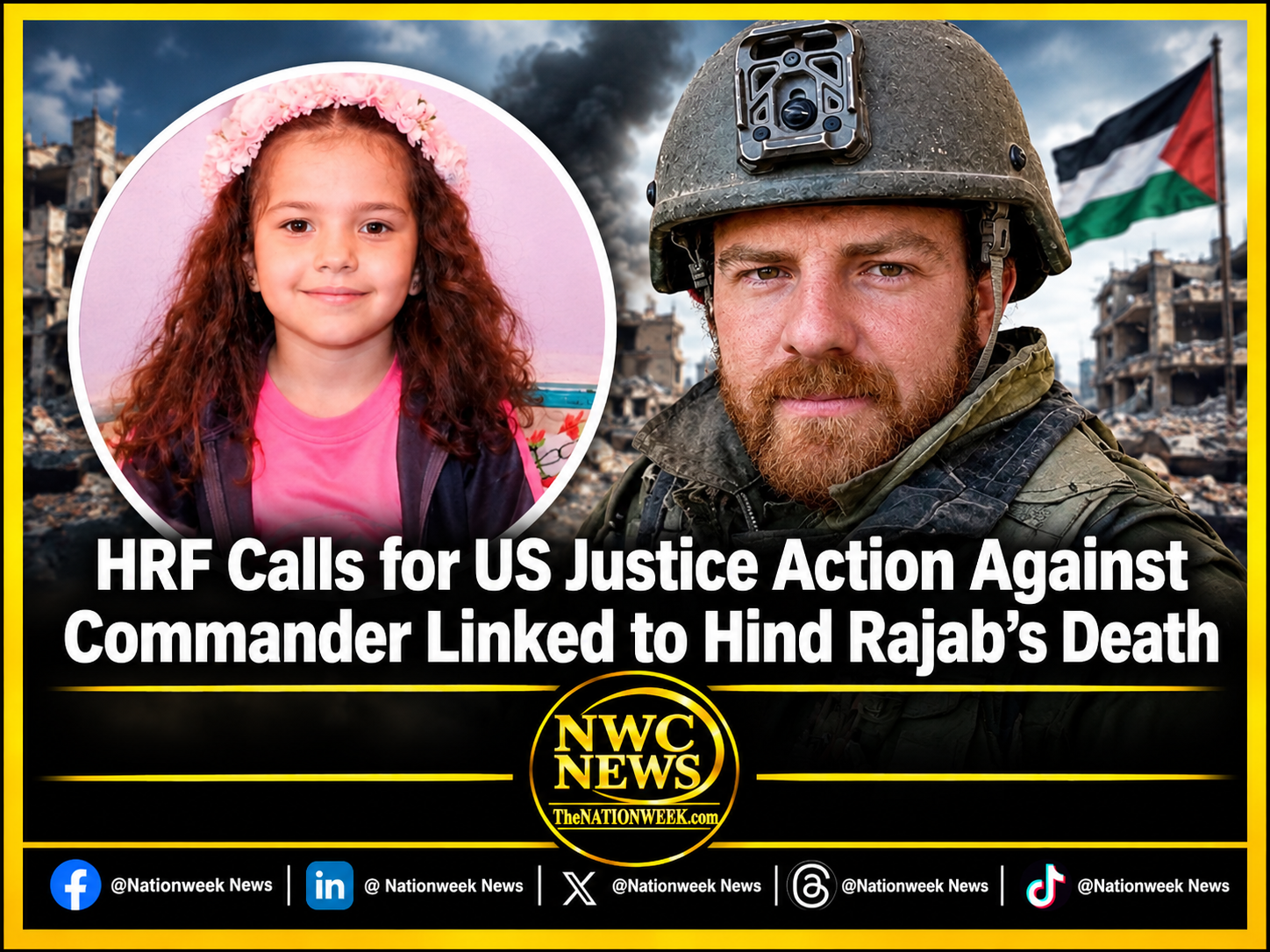
In a separate but related development, the Belgium-based Hind Rajab Foundation (HRF) has filed an urgent complaint in India, seeking the arrest of an Israeli reservist, Eitan Gilboa, accused of war crimes in Gaza. The foundation claims Gilboa “personally carried out and celebrated the systematic demolition of entire residential blocks in Gaza as acts of revenge.” This action underscores the growing international efforts to pursue legal accountability for alleged war crimes.

Furthermore, concerns over free speech have emerged following the reported revocation of authorization for US political commentators Cenk Uygur and Hasan Piker to visit the UK. The Oxford Union debating society described this decision, based on the grounds that their appearances would not be “conducive to public good,” as a “direct threat to free expression.” The Union president vowed the event would proceed, asserting that “free speech does not require a visa.”

Fiji Strengthens Ties with Israel

In a notable diplomatic move, Fiji’s Prime Minister Sitiveni Rabuka hosted Israeli Foreign Minister Gideon Saar at the opening of a new Israeli embassy in the Fijian capital, Suva. Saar described Fiji as a “true friend of Israel,” highlighting a “natural alliance of believers based on deep faith and biblical roots.” This development follows Fiji’s establishment of an embassy in Jerusalem last year, signaling strengthening ties between the two nations.

*         *         *

Influence the Influential. Power Truth. TheNATIONWEEK.com.

TheNATIONWEEK.com is not just a news source; it is a vital force in independent journalism. We provide deeply researched, unbiased reporting that resonates with an engaged and ethically conscious readership. Sponsor and advertise with us to connect your brand to this discerning audience that values integrity and seeks the truth. Your partnership supports critical investigations and expands your brand’s reach within a community that shapes opinion. Your message. Our mission. Unrivaled engagement. Discover the power of partnership: email us today at nationweek@yahoo.com.

Leave a Reply

Back To Top