Monday, June 22, 2026 - 09:05 PM
Subscribe/Login
Iran Threatens Strait of Hormuz Closure Amid Escalating Lebanon Strikes

Iran Threatens Strait of Hormuz Closure Amid Escalating Lebanon Strikes

Iran Threatens Strait of Hormuz Closure Amid Escalating Lebanon Strikes

By Paul V. Young – TheNATIONWEEK.com | June 22, 2026

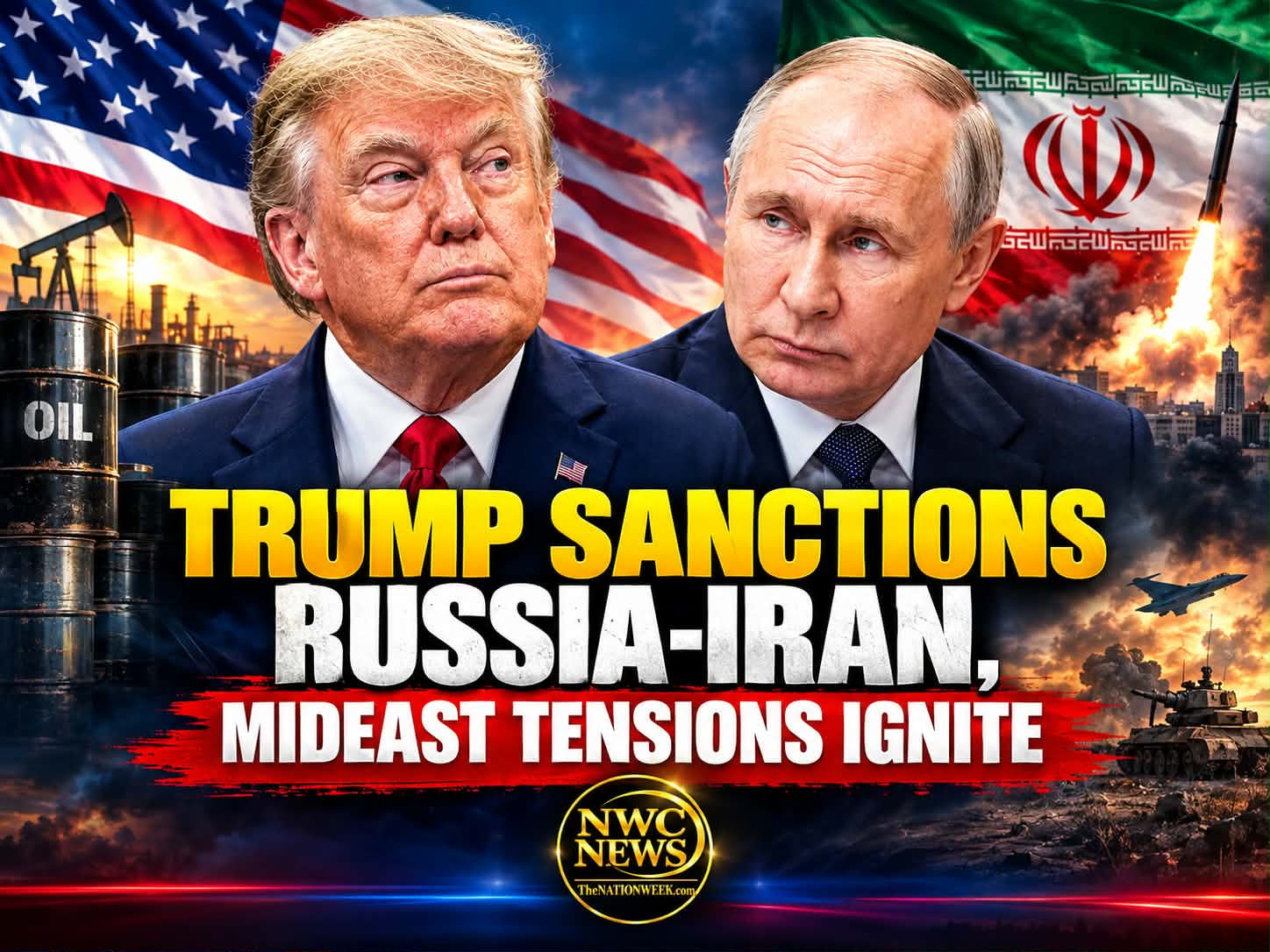
BRISBANE, Australia – Iran has declared its intent to close the Strait of Hormuz, a critical global shipping lane, in response to intensified Israeli military operations in Lebanon. This dramatic threat casts a shadow over a recently brokered, fragile interim peace deal with the United States and threatens to destabilize global energy markets.

The Islamic Revolutionary Guard Corps issued a stern warning to maritime traffic, citing alleged Israeli “crimes” in Lebanon and a perceived U.S. failure to uphold ceasefire commitments. The Strait of Hormuz, historically responsible for transporting a fifth of the world’s oil and liquid natural gas supplies, is a choke point of immense strategic importance.

The immediate implementation of this threat remains unconfirmed. Its potential impact on scheduled U.S.-Iran talks in Switzerland, aimed at solidifying a more comprehensive nuclear agreement, is a primary concern for international observers.

U.S. President Donald Trump, commenting on the situation, declared that “NO TOLLS” would be imposed on ships traversing the strait during a 60-day interim ceasefire, yet later suggested the U.S. might levy a toll if negotiations falter.

U.S. Central Command emphatically denied any closure, with Navy Captain Tim Hawkins stating, “Iran does not control the Strait of Hormuz. Traffic continues to flow, and U.S. forces are monitoring the situation to ensure this remains the case.” Under the existing interim agreement, Iran is obligated to keep the strait open.

U.S. Vice President JD Vance arrived in Switzerland on Sunday to participate in the negotiations. Vance expressed cautious optimism for progress on both the nuclear issue and the Lebanese ceasefire, despite the escalating tensions. Pakistan, serving as a key mediator, confirmed the talks would proceed, and reports from Tehran indicated Iranian officials were en route to Switzerland.

The persistent hostilities between Iran-backed Hezbollah and Israel in Lebanon present the most significant challenge to the new peace deal. Recent Israeli strikes in southern Lebanon reportedly killed at least 16 people, despite renewed ceasefire attempts. Lebanon’s civil defense agency reported 16 fatalities and 12 injuries in the Nabatieh district alone.

The interim agreement explicitly calls for a cessation of hostilities on all fronts, including Lebanon. This provision has drawn fierce criticism from Israeli officials and commentators, who argue it hinders Israel’s ability to counter threats posed by Hezbollah.

Israeli military actions are characterized as responses to overnight projectile launches from Hezbollah. Violence flared Friday after four Israeli soldiers, including a senior officer, were killed when their tank was struck by Hezbollah, which claims Israel violated a previous ceasefire by advancing. Subsequent Israeli attacks killed 83 people across southern Lebanon and the Bekaa Valley.

The precise status of the new ceasefire, reportedly effective Friday evening, remains ambiguous. Hezbollah publicly states it will adhere to a ceasefire if Israel does, but has not confirmed that a ceasefire is actively in place. Hassan Fadlallah, a Hezbollah parliamentarian, asserted his group’s right to respond to Israeli attacks, emphasizing their concern about any attempts to attack or occupy Lebanese territory.

The current conflict between Hezbollah and Israel began in the wake of U.S. and Israeli strikes on Iran on February 28. Hezbollah retaliated with rockets and drones targeting northern Israel, leading to Israel’s occupation of significant swathes of southern Lebanon to establish a “buffer zone.”

This cycle of violence and diplomatic back-and-forth fuels skepticism regarding a definitive end to a regional conflict that has claimed at least 7,000 lives, sent energy prices soaring, and threatened global economic stability.

The recently signed interim U.S.-Iran agreement stipulates that the U.S. will lift its naval blockade in exchange for the reopening of the Strait of Hormuz, which Tehran closed to most shipping shortly after the conflict began. Neither Israel nor Hezbollah are signatories to this deal, which calls for a halt to military operations in Lebanon and respect for the country’s sovereignty.

Israeli Prime Minister Benjamin Netanyahu has vowed to maintain Israeli forces in southern Lebanon until all threats to Israel are eliminated. Hezbollah, conversely, refuses to halt its attacks unless Israel commits to withdrawing from Lebanon, a condition Iran also emphasizes within the deal.

Despite the ongoing violence, Vice President Vance expressed confidence in the ceasefire outlined in Washington’s 14-point deal with Tehran and indicated no evidence of the Strait’s closure. He noted that U.S. negotiators Jared Kushner and Steve Witkoff were already in Switzerland addressing technical aspects of the negotiations.

However, Iran’s foreign ministry spokesperson, Esmail Baghaei, signaled that substantial progress hinges on Iran’s conviction that the U.S. is fulfilling its commitments under the deal. “This trip is therefore about demanding that the other side fulfill its obligations,” Baghaei stated.

The interim deal allots negotiators 60 days to finalize a nuclear agreement, with a possible extension. Many observers caution that reaching an agreement on such a complex issue within two months will be challenging. The 2015 nuclear deal, which Trump abandoned during his first term, required over 18 months of negotiations.

*         *         *

Influence the Influential. Power Truth. TheNATIONWEEK.com

More than news: we are a defining force in independent journalism, delivering rigorous, unbiased reporting to an engaged, opinion-shaping audience that values integrity. Partner with us to align your brand with trust, reach discerning leaders, and amplify your impact. Your message. Our mission. Unrivaled engagement. Email nationweek@yahoo.com today.

Leave a Reply

Back To Top