Thursday, October 1, 2026 - 02:44 PM
Subscribe/Login
Iranian Plane Seized in Istanbul — €3 Million Debt Claim Amid U.S. Sanctions

Iranian Plane Seized in Istanbul — €3 Million Debt Claim Amid U.S. Sanctions

Iranian Plane Seized in Istanbul — €3 Million Debt Claim Amid U.S. Sanctions

By TheNationWeek.com News Desk | October 1, 2026

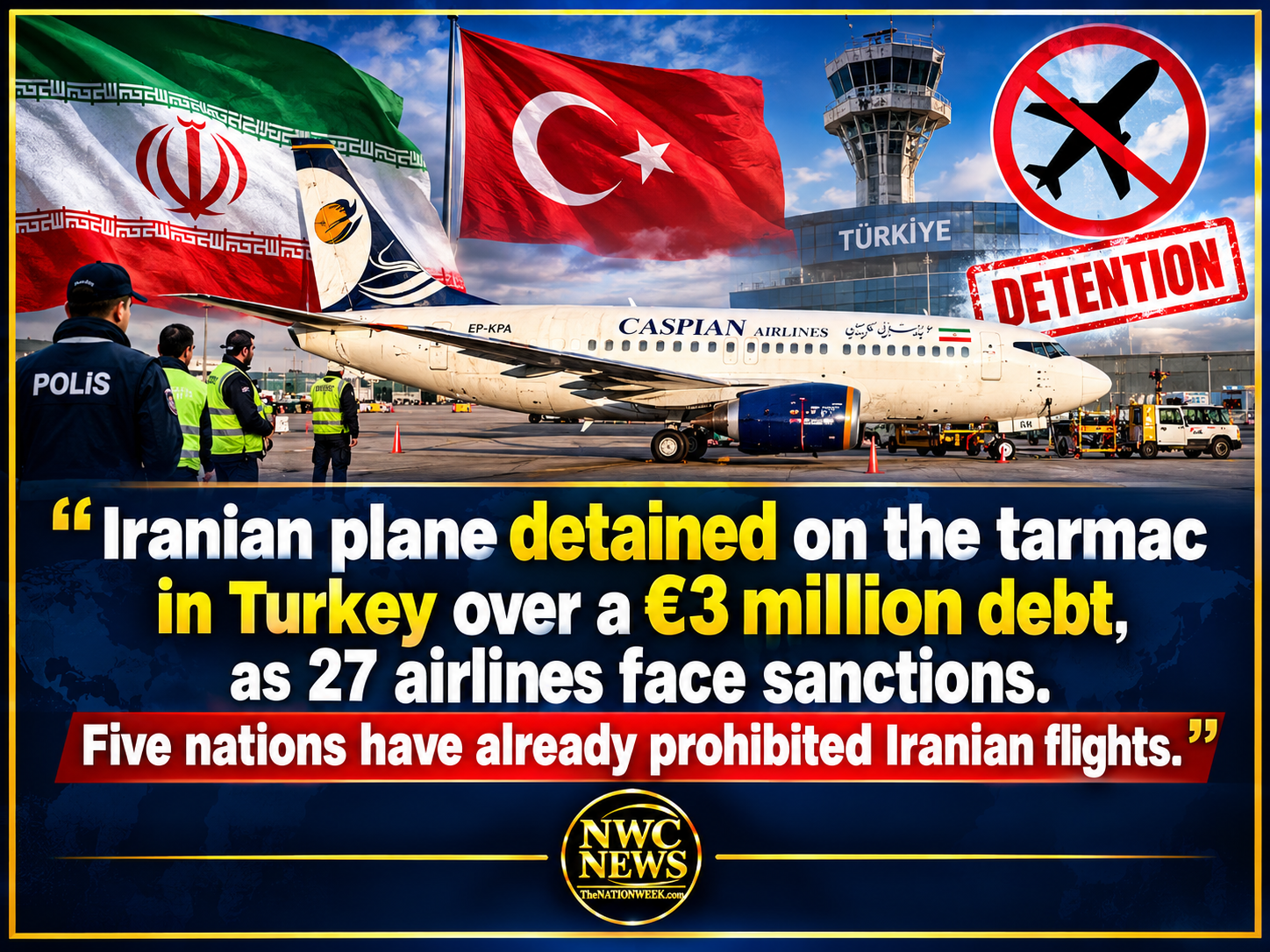
ISTANBUL, Turkey — A Caspian Airlines Boeing 737-500, registered EP-KPB, was seized on the tarmac at Istanbul Airport on Monday, September 28, moments before its departure for Iran. Passengers and crew had already boarded when court officers ordered everyone off the aircraft.

The Seizure

The aircraft was grounded under a Turkish court order enforcing an approximately €3 million debt claim filed by local aviation services firm ACM Temsil Gözetim. The debt relates to outstanding airport service fees.

Majid Akhavan, spokesperson for Iran’s Civil Aviation Organisation, confirmed the legal action. Caspian Airlines described the matter as an administrative dispute and stated it is taking steps to resolve the issue while arranging alternative flights for affected passengers. The plane remains detained at the airport pending settlement.

Behind The Incident – Widening U.S. Sanctions Behind The Incident

The seizure unfolds against intensified U.S. pressure on Iran’s aviation sector. On September 8, the U.S. Treasury designated 27 Iranian airlines under “Operation Economic Outcast,” expanding sanctions to nearly all remaining carriers. Effective September 23, any airport or company providing fuel, landing rights, or booking services to Iranian aircraft faces secondary sanctions and potential expulsion from the U.S. financial system.

The squeeze has already forced Azerbaijan, Georgia, Iraq, Oman, and the United Arab Emirates to revoke flight permissions. Turkey has not formally barred Iranian carriers — making Istanbul one of the last major international gateways still open — but the financial pressure on service providers is immense.

Travel Disruption & Diplomatic Protest

Iranian travelers are increasingly forced onto overland routes through Turkey and Armenia as air access shrinks. Tehran has filed formal complaints with the United Nations, the International Civil Aviation Organization, and the International Court of Justice, arguing that the aviation sanctions violate international law.

Context – Diplomacy Continues Despite Public Rift Context

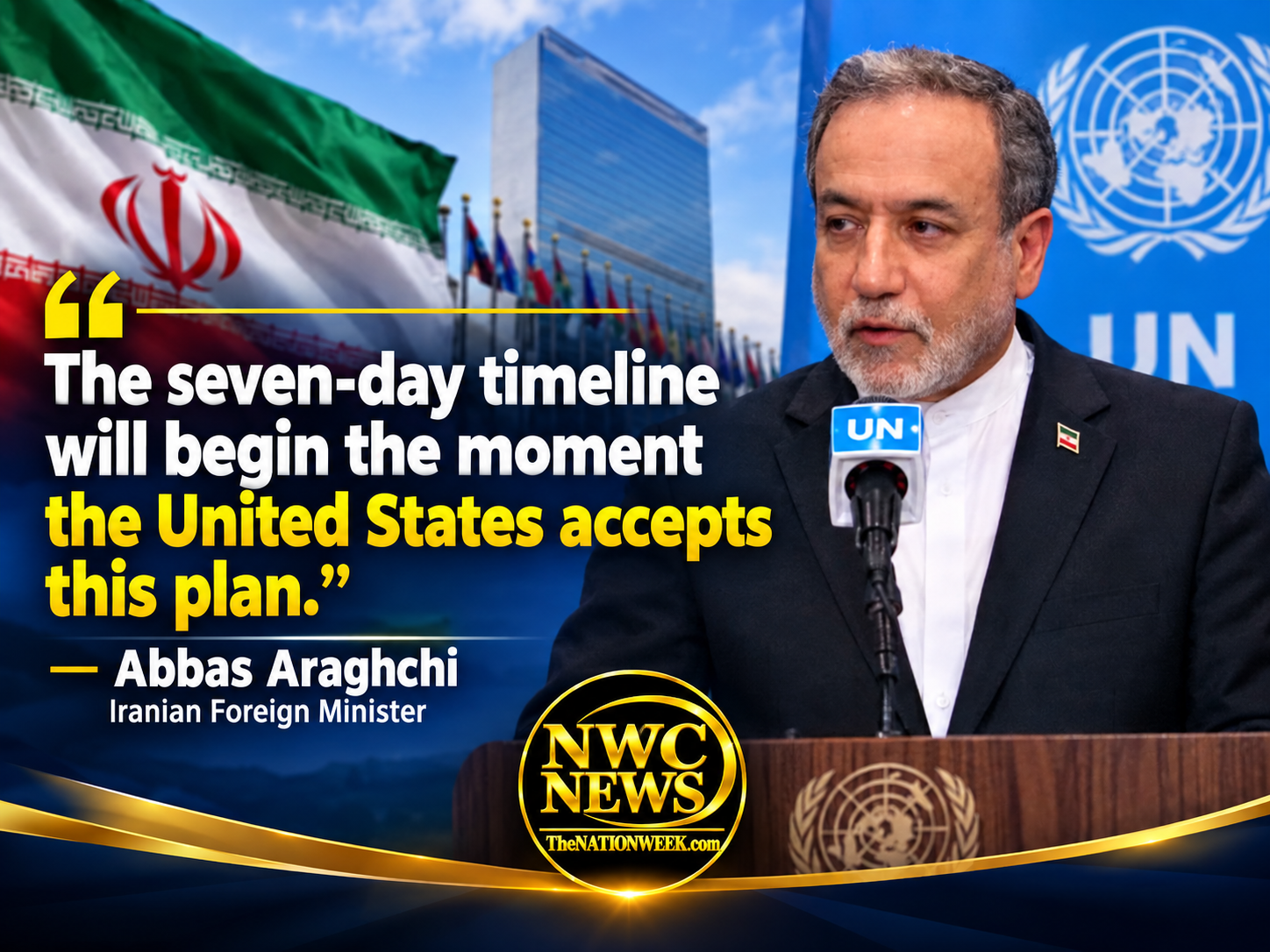
The standoff coincides with fragile, indirect talks between Washington and Tehran. President Donald Trump publicly rejected Iran’s seven-day Strait of Hormuz reopening proposal, yet diplomatic channels remain open. U.S. officials confirm that Trump may ease sanctions and release frozen funds in exchange for verifiable nuclear progress — though gaps remain on sequencing and mutual confidence.

Leave a Reply

Back To Top