Friday, May 29, 2026 - 11:09 PM
Subscribe/Login
US-Iran War: Truce Extension Proposed Amid Rising Regional Tensions; Trump Silent on Deal

US-Iran War: Truce Extension Proposed Amid Rising Regional Tensions; Trump Silent on Deal

US-Iran War: Truce Extension Proposed Amid Rising Regional Tensions; Trump Silent on Deal

By Paul V. Young – TheNATIONWEEK.com | May 29, 2026  

BRISBANE, Australia – Amid escalating regional conflicts, a provisional agreement has been reached between the United States and Iran for a 60-day extension of the current ceasefire, paving the way for formal negotiations. However, final approval from U.S. President Donald Trump is still pending.

A memorandum of understanding (MoU) for this extension has been largely agreed upon. Iran’s news agency, citing a source close to their negotiating team, stated that the text of the MoU is not yet finalized or confirmed, and a public announcement will follow its completion.

The potential for a U.S.-Iran deal, particularly one that could lead to the reopening of the Strait of Hormuz, has already impacted global markets. Oil futures experienced their most significant weekly drop in nearly two months, with Brent crude futures falling over 10 percent to $92.69 a barrel. Market analysts suggest that investors are anticipating a successful resolution that would ensure the Strait remains open for shipping.

Escalating Tensions in Southern Lebanon

While diplomatic efforts between the U.S. and Iran progress, the security situation in southern Lebanon continues to deteriorate. The Israeli military confirmed intercepting a “suspicious aerial target” in an area of its operations in southern Lebanon, following earlier air attack alerts in northern Israel.

Lebanese and Israeli military officials are scheduled to hold security talks in Washington, D.C., today. These discussions occur amidst an intensification of Israeli attacks and an invasion of southern Lebanon, despite a recently extended ceasefire agreement from mid-April. Reports from An-Nahar, a leading Lebanese daily, highlight the uncertainty surrounding the outcome of these U.S.-sponsored military negotiations at the Pentagon.

Lebanese Prime Minister Nawaf Salam condemned Israel’s ongoing assaults on southern Lebanon, emphasizing that such actions only strengthen the resolve for an immediate ceasefire, a complete Israeli withdrawal, and the extension of state authority throughout Lebanon’s territories.

The Israeli army has issued further forced displacement orders for residents of Ain Qana, a village in Lebanon’s Nabatieh Governorate, warning them to flee for their safety ahead of impending Israeli attacks. The military asserts it is conducting operations against Hezbollah fighters in the area.

Humanitarian Crisis in Gaza and International Condemnation

In Gaza, the ongoing Israeli blockade and widespread destruction have cast a somber shadow over Eid al-Adha. Despite the immense challenges, residents continue to find solace in simple acts, viewing their celebrations as a form of resistance.

Internationally, there is growing criticism of Israeli actions. UN Special Rapporteur on Human Rights and Counterterrorism Ben Saul urged Israel to address its inclusion on the UN’s list of states perpetrating sexual violence in conflict. Saul called for Israel to prosecute and punish any perpetrators within its ranks, rather than severing ties with the UN Secretary-General for exposing such violence.

Separately, the U.S. White House Deputy Chief of Staff, Stephen Miller, indicated that Tehran has made “significant, material, and dramatic” concessions in ongoing negotiations to end the war. However, he stressed that President Trump “alone” will determine if the results meet his standards.

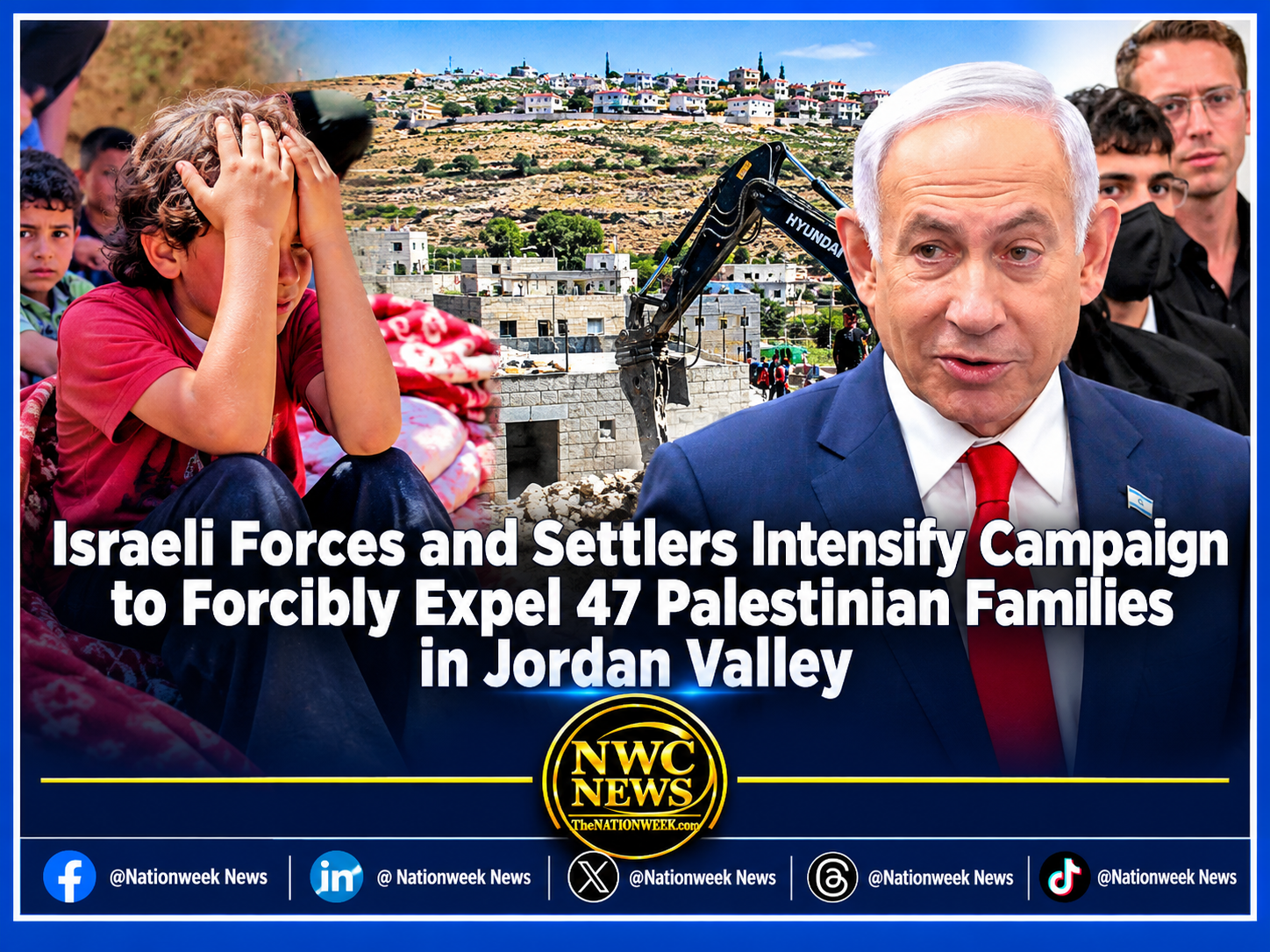
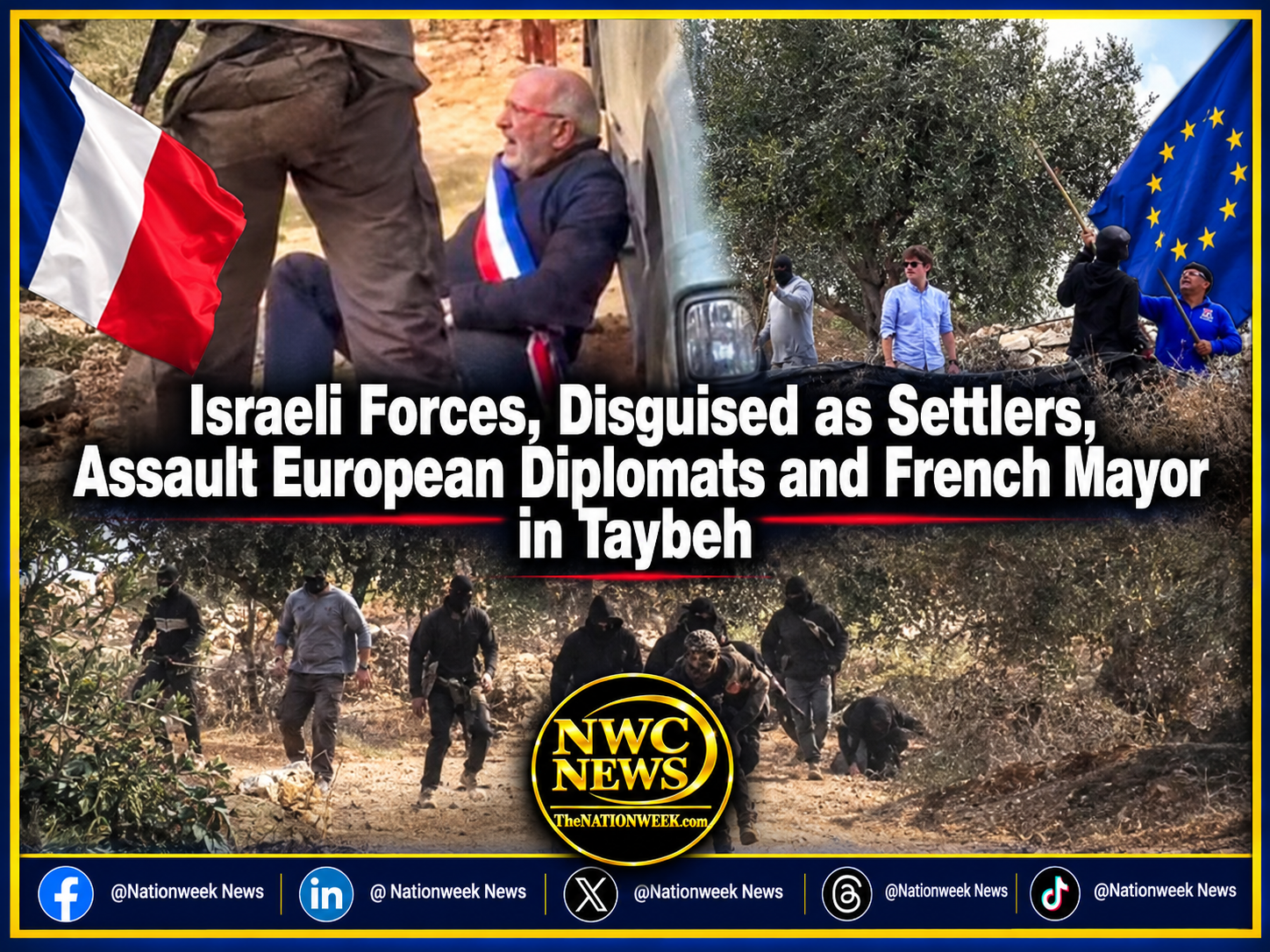
Iran’s Foreign Ministry spokesperson, Esmaeil Baghaei, has condemned reported U.S. threats against Oman, while Israel’s Foreign Ministry has accused the EU of “a blatant political vendetta” following Brussels’ announcement of sanctions on entities and individuals involved in Israeli settler violence in the occupied West Bank.

The Path Forward: Diplomacy and Regional Stability

The negotiations between the U.S. and Iran center on critical issues, including Iran’s nuclear program and the fate of its frozen assets. A key element of the potential MoU is the reopening of the Strait of Hormuz, with a reciprocal lifting of the U.S. “Operation Economic Fury” blockade on Iranian ports and waivers for Iranian oil exports. While recent skirmishes between the two nations have occurred, they do not appear to have derailed the ongoing talks, suggesting a deal might be drawing closer.

Iranian President Masoud Pezeshkian has expressed gratitude to Malaysia for its humanitarian stance and Pakistan for its efforts towards a resolution, reaffirming Iran’s commitment to diplomacy and expanding cooperation with Muslim and neighboring countries.

The coming days will be crucial as the proposed 60-day truce extension awaits presidential approval, and regional conflicts continue to demand urgent international attention.

*         *         *

Influence the Influential. Power Truth. TheNATIONWEEK.com.

TheNATIONWEEK.com is not just a news source; it is a vital force in independent journalism. We provide deeply researched, unbiased reporting that resonates with an engaged and ethically conscious readership. Sponsor and advertise with us to connect your brand to this discerning audience that values integrity and seeks the truth. Your partnership supports critical investigations and expands your brand’s reach within a community that shapes opinion. Your message. Our mission. Unrivaled engagement. Discover the power of partnership: email us today at nationweek@yahoo.com.

Leave a Reply

Back To Top