Friday, October 2, 2026 - 05:56 PM
Subscribe/Login
Weapon in the Cockpit — Who Checks the Checkers?

Weapon in the Cockpit — Who Checks the Checkers?

Weapon in the Cockpit — Who Checks the Checkers?

By Bing Jabadan – TheNationWeek.com | October 2, 2026

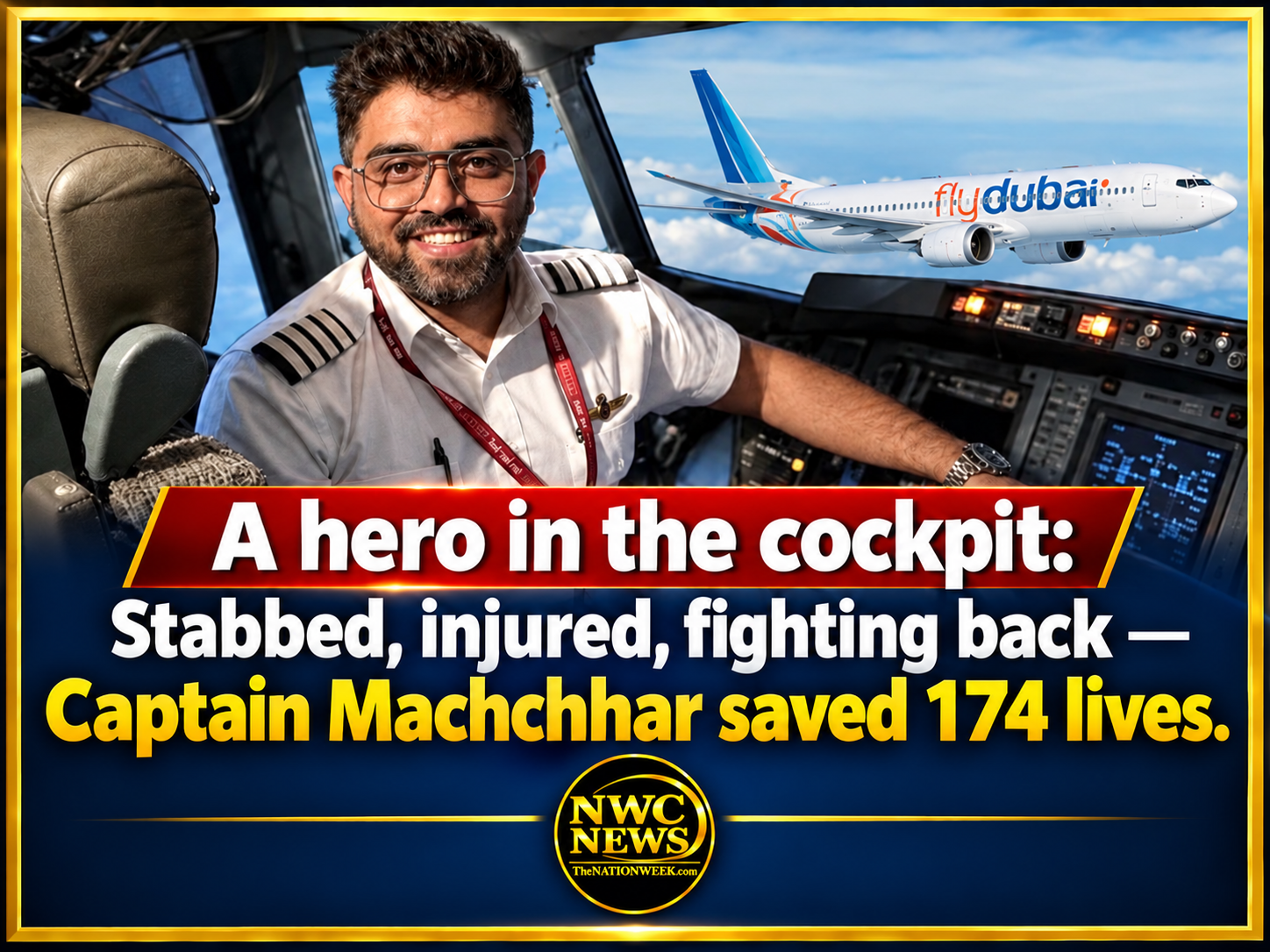
MANILA, Philippines – The stabbing of Captain Smit Machchhar aboard flydubai Flight FZ1073 — and the co-pilot’s alleged attempt to crash the plane — has exposed a significant failure in aviation vetting: how was an attacker allowed access to the flight deck with a weapon while being cleared to operate a commercial airliner bound for Tel Aviv?

The Incident – What Unfolded, How Did He Get On Board? Co-Pilot Cleared To Fly – Knife In Cockpit Sparks Global Security Scrutiny

Two and a half hours from Dubai, en route to Tel Aviv, the co-pilot allegedly stabbed Machchhar in the cockpit. The plane plunged 14,000 feet in under 60 seconds — from 33,000 to 19,000 feet — before the wounded captain unlocked the door, enabling crew and passengers to overpower the assailant. A relief flight crew traveling aboard took control and landed safely in Tabuk, Saudi Arabia. All 174 survived.

The alleged attacker — identified as an Omani national employed by flydubai for less than a year — is in Saudi custody. No motive has been confirmed; an investigation is underway.

The Vetting System – Checks That Failed

flydubai operates under the UAE General Civil Aviation Authority (GCAA). Standard requirements appear thorough: valid license, medical certification, security vetting, language proficiency, and flight experience. Yet they failed to prevent this incident.

“Vetting is a snapshot — not a lifetime profile,” noted aviation analyst Saj Ahmad. “Background checks cannot predict what someone will do in the cockpit. Behavioral shifts, grievances, or radicalization often surface after clearance.”

  • No public indication that the co-pilot faced prior flags or red-flagged assessments
  • Mental health screening exists — but relies on disclosure and periodic review
  • Once cleared, continuous monitoring is limited — leaving critical blind spots

Who Vetted Him? Overlapping Jurisdiction, Gaps

  • UAE / GCAA: Certifies flydubai and its crews — responsible for fitness to fly
  • Israel: Conducts airport screening but has not confirmed routine background vetting of foreign flight crew
  • Bilateral accord: Claims only pilots from nations with diplomatic ties can fly into Israel — unconfirmed; no extra security layer was visibly applied

Israeli officials now admit the gap. “We will know every pilot flying into Israel — who they are, with checks,” said PM spokesperson Doron Spielman. Netanyahu has ordered immediate security enhancements.

Deeper Concern – No Single Authority Tracks Everything

The attacker passed through hiring checks, medical clearance, recurrent training, and routine security — yet the weapon and intent remained undetected. Experts warn this mirrors historic failures:

  • Germanwings 2015: Co-pilot with severe mental illness cleared to fly
  • China Eastern 2022: Deliberate inputs suspected — no prior warning surfaced

“These events are rare — but they are almost impossible to predict,” Ahmad cautioned. “If the relief crew had not been aboard, the outcome would have been catastrophic.”

The Question Remains

Cleared to Fly — But Not Stopped. How a Co-Pilot Boarded Armed, and Why the System Failed

How a weapon reached the cockpit, what behavioral or personal shifts the co-pilot may have shown, and whether he acted alone — all remain unanswered. The UAE has launched a full probe; Saudi authorities hold custody. What is already clear: the system designed to stop this did not work.

Security is not a one-time check. It is a continuous promise — one that was broken.

The system failed. It must not fail again.

Leave a Reply

Back To Top