Wednesday, November 18, 2026 - 09:22 PM
Subscribe/Login
EDITORIAL: The Veneer of Diplomacy: Philippines’ P22.9 Billion ASEAN Summit – A Feast for Few, a Famine for Millions?

EDITORIAL: The Veneer of Diplomacy: Philippines’ P22.9 Billion ASEAN Summit – A Feast for Few, a Famine for Millions?

EDITORIAL: The Veneer of Diplomacy: Philippines’ P22.9 Billion ASEAN Summit – A Feast for Few, a Famine for Millions?

By NATIONWEEK | November 18, 2026

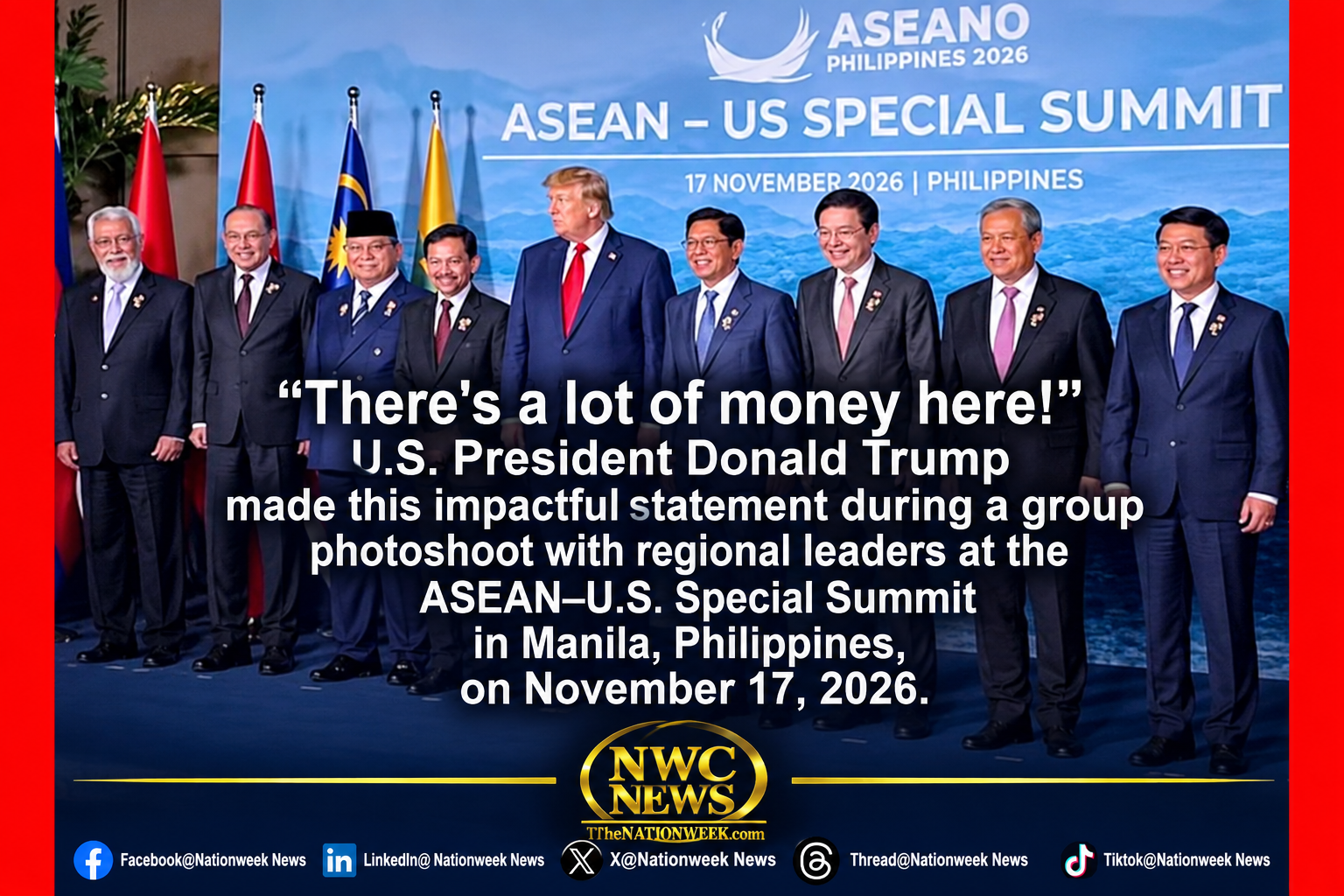
MANILA, Philippines – The recent 49th ASEAN Summit, concluding on November 18, 2026, saw the Philippines allocate an astonishing P22.9 billion as host, igniting a fervent national debate. This colossal expenditure has sharply illuminated the chasm between grand diplomatic aspirations and the harsh reality of widespread poverty afflicting millions of Filipinos.

While the Palace champions this sum as a strategic investment in global diplomacy and national interest, a chorus of critics denounces it as a stark exposé of governance prioritizing image over welfare, masking endemic poverty behind a meticulously crafted façade.

This P22.9 billion, a figure significantly surpassing previous ASEAN hosting budgets (P3.79 billion in 2017 and P1 billion in 2007), represents an allocated budget spread across two fiscal years (P5.4 billion in 2025 and P17.5 billion in 2026).

This substantial financial commitment encompasses the entirety of the Philippines’ ASEAN chairmanship, including both the 48th Summit in Cebu and the 49th Summit in Manila.

A Lavish Spectacle Amidst Profound Want

The gargantuan budget funded an extensive array of expenditures: infrastructure upgrades, stringent security protocols, comprehensive logistical support, and the cultivation of crucial economic partnerships.

Palace Press Officer Claire Castro affirmed the summit’s potential to position the Philippines as a dependable global partner and an attractive investment destination. She pledged full accountability, assuring public oversight through Commission on Audit (COA) scrutiny and asserting ultimate benefit for the Filipino populace.

Yet, the administration’s summit preparations provoked widespread condemnation. In the period leading up to and during the Metro Manila event, the government was accused of orchestrating an elaborate cosmetic cleanup.

Street vendors faced forced removal, homeless individuals were displaced, and major thoroughfares were visually enhanced with decorative barriers. Critics argued these actions were designed to sanitize the urban landscape, shielding foreign dignitaries from the pervasive indicators of poverty.

The Artifice of “Cosmetic Governance”

Authorities erected fences and panels along key motorcade routes, adorning them with artworks by Filipino National Artists. While presented as a cultural celebration, this measure was widely interpreted as a deliberate attempt to obscure the realities of urban decay.

Local governments initiated aggressive clearing operations, removing street dwellers from visible areas and mandating the temporary cessation of operations for small businesses and vendors. Public infrastructure along dignitary routes underwent rushed repainting and repairs, constructing a superficial veneer of progress.

This “cosmetic governance” triggered a torrent of moral outrage. Bishop Gerardo Alminaza, President of Caritas Philippines, powerfully declared that the poor are not “eyesores” to be hidden behind walls and decorative backdrops. Progressive groups echoed this sentiment, arguing that superficial facelifts cannot mask systemic neglect.

ACT Teachers Representative Antonio Tinio drew unsettling parallels to the “whitewashing” tactics of the 1970s martial law era, accusing the current administration of resurrecting a dark chapter in national history. He underscored the bitter irony of utilizing National Artists’ works to obscure poverty while displaced workers suffered immediate income loss without adequate compensation.

Defense, Denial, and a Lingering Question

In response to the escalating criticism, Undersecretary Claire Castro vehemently refuted allegations of intentionally concealing poverty. She insisted that clearing operations were “strictly necessary security measures” to safeguard visiting heads of state and thousands of delegates.

Castro also dismissed claims of presidential “vanity,” asserting that improvements aimed to bolster the Philippines’ international image as a trustworthy nation for investment.

Despite these assurances, the pervasive narrative of a nation prioritizing opulent international events over the welfare of its own citizens endures. The P22.9 billion expended on projecting a polished image stands in stark contrast to the millions of Filipinos grappling with abject poverty, inadequate healthcare, and limited opportunities.

The 49th ASEAN Summit has concluded, leaving a complex legacy. While the government proclaims strengthened partnerships and advanced national interests, a profound, unanswered question persists: at what human cost? The colossal expenditure and the perceived attempt to sanitize the visible manifestations of poverty have starkly revealed a troubling truth – for many, this “investment in regional diplomacy” appears a colossal hypocrisy, a testament to the enduring influence of those who prioritize fleeting optics over genuine social upliftment. The true impact of this summit will ultimately be measured not solely in diplomatic gains but in the ongoing struggle for dignity and basic necessities that define the lives of too many Filipinos. Did this summit, with its P22.9 billion price tag, truly fill the empty stomachs of the millions it seemingly sought to hide? The silence of the impoverished speaks volumes.

*          *          *

Your support fuels independent and fearless journalism.

To advertise with us, please contact us today at: nationweek@yahoo.com.

You can also make a donation via GCash at: +639267015155.

Follow Us On Social Media

Leave a Reply

Back To Top