Thursday, August 13, 2026 - 07:56 PM
Subscribe/Login
Gaza’s Agony Intensifies Amid Iran-US Tensions

Gaza’s Agony Intensifies Amid Iran-US Tensions

Gaza’s Agony Intensifies Amid Iran-US Tensions

By Paul V. Young – TheNATIONWEEK.com | August 13, 2026

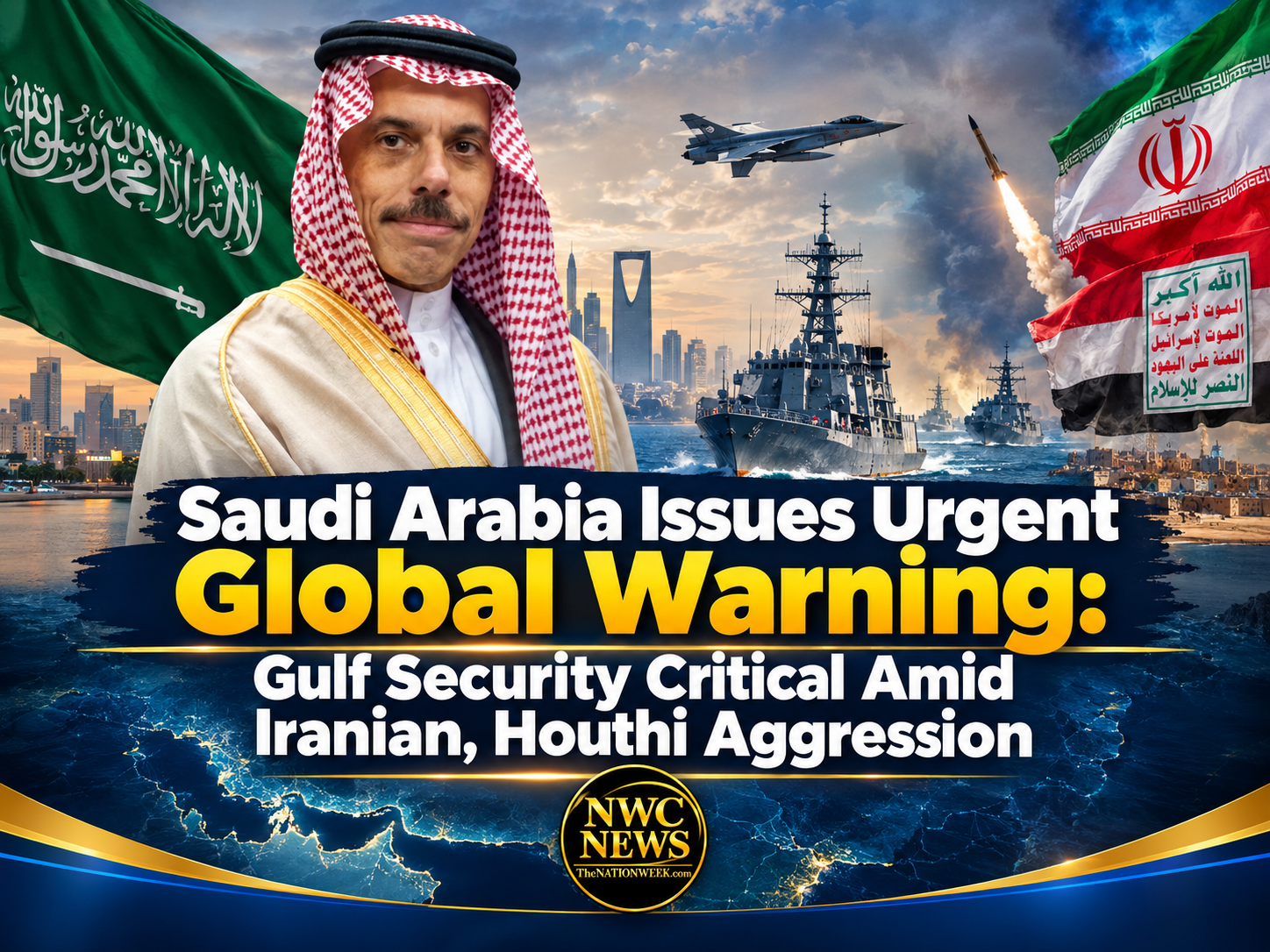
BRISBANE, Australia – The Strait of Hormuz, a critical chokepoint for a third of the world’s seaborne oil, faces unprecedented peril. Satellite imagery from Bandar Abbas, Iran, reveals a dramatic reduction in vessel traffic, a direct consequence of Iran’s explicit threats against shipping and a US-imposed blockade on Iranian ports.

Iran’s Supreme National Security Council has declared that the vital waterway will remain closed until the US ceases its “war on Iran” and offers compensation for damages. This defiant stance from Tehran directly challenges President Donald Trump’s repeated assertions of “total control” over the Strait, even as shipping activity plummets to a one-week low.

Diplomatic Fractures and West Bank Siege

The military escalation is mirrored by a sharp diplomatic offensive. Iranian Foreign Minister Abbas Araghchi condemned France and other Western nations for “blatant hypocrisy” on human rights, contrasting their criticism of Tehran’s domestic dissent with perceived silence on “Israel’s genocide in Gaza and aggression against Iran.” His remarks followed a joint statement from the EU and 20 other nations denouncing Iran’s executions of protesters.

Meanwhile, a harrowing account emerges from the occupied West Bank. Palestinian-American Loai Ridi watches in anguish as Israeli settlers besiege his relatives’ homes in Qusra village. For four days, settlers have reportedly blocked entrances to at least three residences with rocks and tents, severing electricity and water. Ridi’s brother and 18-year-old nephew remain trapped with dwindling supplies, reportedly without intervention from Israeli forces. The UK Permanent Representative to the UN, Sarah MacIntosh, condemned the “appalling” surge in settler violence, noting over 1,300 incidents this year and criticizing the perpetrators’ perceived impunity.

Adding to the regional volatility, the X (formerly Twitter) account of Yahya Saree, spokesman for Yemen’s Iran-aligned Houthi rebel group, has been suspended. Saree’s page was a primary conduit for announcing Houthi attacks in the Red Sea and against Saudi Arabia; the rationale for its removal remains undisclosed.

Intelligence Doubts and Economic Aftershocks

Amid these developments, a Washington Post report reveals skepticism within US intelligence regarding an alleged Iranian assassination threat against former President Trump. The threat, reportedly relayed by Israel and prompting a secret flight diversion from Turkiye, was deemed of “low credibility” by CIA analysts. Trump, while confirming the plane switch, attributed it to security directives.

The escalating conflict is already reverberating through global markets. Oil prices are declining, with Brent crude futures losing $1.29 and US West Texas Intermediate (WTI) crude dropping $1.30. This downturn follows lowered global oil demand projections for 2026, largely attributed to disruptions stemming from the US-Israel conflict with Iran. OPEC, in its monthly report, reduced its world oil demand growth forecast for 2026 to 580,000 barrels per day.

Gaza: A Humanitarian Crisis

The humanitarian catastrophe in Gaza continues its relentless descent. Over half the population now lacks adequate access to water, sanitation, and hygiene. The UN Office for the Coordination of Humanitarian Affairs (OCHA) reports 1.3 million people subsisting on less than 6 liters of water per person per day – a third of the humanitarian minimum. Over 700,000 endure less than 9 liters, critically compromising basic hygiene. Overcrowding at collection points and a severe lack of containers exacerbate the crisis, often forcing children to undertake the arduous task of water retrieval. Three out of four Gazans rely on water trucks, with humanitarian partners supporting thousands of collection points and displacement sites. Furthermore, only half of Gaza’s households possess basic sanitation, and over 900,000 people report exposure to mounting refuse in residential areas, signaling a looming public health disaster.

Iraq’s Position on Regional Security

In a separate development, Iraqi Prime Minister Ali al-Zaidi affirmed that Iraq will not permit its territory or airspace to be used for attacks against neighboring nations. Speaking during a visit to Iraq’s Air Defence Command Operations Centre, al-Zaidi emphasized plans to enhance the country’s air defense capabilities and protect national security.

*         *         *

Influence the Influential. Power Truth. TheNATIONWEEK.com

More than news: we are a defining force in independent journalism, delivering rigorous, unbiased reporting to an engaged, opinion-shaping audience that values integrity. Partner with us to align your brand with trust, reach discerning leaders, and amplify your impact. Your message. Our mission. Unrivaled engagement. Email nationweek@yahoo.com today.

Leave a Reply

Back To Top