Tuesday, September 15, 2026 - 05:17 PM
Subscribe/Login
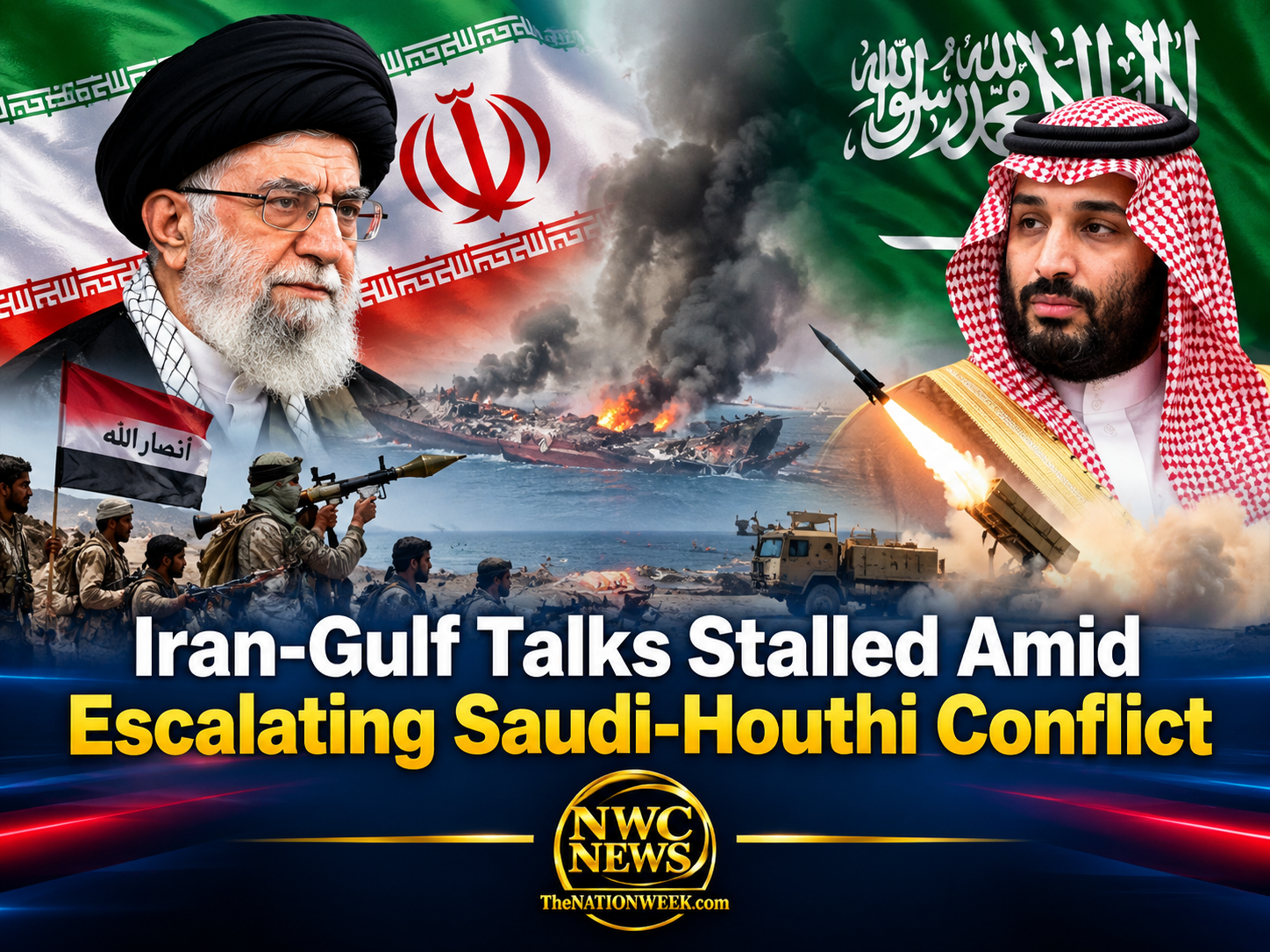
Iran-Gulf Talks Stalled Amid Escalating Saudi-Houthi Conflict

Iran-Gulf Talks Stalled Amid Escalating Saudi-Houthi Conflict

Iran-Gulf Talks Stalled Amid Escalating Saudi-Houthi Conflict

By TheNATIONWEEK.com News Desk | September 15, 2026

Dubai, UAE – A crucial meeting between Iran and several Gulf Arab nations, intended to discuss a temporary shipping lane through the Strait of Hormuz, has been postponed, revealing heightened regional tensions. The talks, initially scheduled for Monday in Oman, were delayed “for now” at Saudi Arabia’s request, according to Iran’s foreign ministry.

Sources familiar with the matter, who requested anonymity due to the sensitive nature of the discussions, indicated that Saudi Arabia’s frustration over persistent Houthi attacks on its territory was a primary reason for the delay. Iran’s foreign ministry, however, dismissed this reasoning, stating on Monday, “Saudi Arabia’s request to postpone the regional summit and attribute it to developments in Yemen is a diversion from the root causes of this crisis.” The Saudi government has not yet issued a response.

The planned meeting would have marked the first direct engagement between Iran, members of the Gulf Cooperation Council (GCC), and Iraq since the outbreak of conflict between the US, Israel, and the Islamic Republic in February. However, escalating hostilities between Saudi-backed forces and Yemen’s Houthis have complicated diplomatic efforts.

Saudi Arabia’s energy infrastructure and southwestern towns have faced intense Houthi attacks this month. Furthermore, its vital East-West oil pipeline was shut down last week following multiple drone attacks originating from Iraq, a region where several Iran-backed militias operate. The Houthis claimed responsibility for targeting a Saudi airbase in Khamis Mushait on Monday, though Riyadh has not confirmed the strike.

The proposed discussions centered on an Omani-Iranian proposal that would grant Iran authority over which ships could enter the Persian Gulf, potentially allowing for the imposition of fees. While the GCC states, including the UAE and Qatar, advocate for free passage, they had reportedly considered a temporary agreement to boost shipping traffic, even if it fell short of full reopening. Iran had consistently maintained that any deal would not amount to a full reopening and that it would retain control over vessel passage. Iranian Foreign Minister Abbas Araghchi had previously described the planned meeting as a significant step towards building trust.

In the days preceding the intended talks, attendance remained uncertain, with Bahrain explicitly ruling out participation due to recent alleged Iranian-backed attacks on Gulf sites. Despite anger over thousands of missile and drone attacks during Iran’s retaliation against US interests, Gulf states have largely kept diplomatic channels open with Tehran, prioritizing the full reopening of the Strait of Hormuz, a critical conduit for their oil and natural gas exports.

The delay in these critical discussions coincides with Brent crude prices surpassing $108 a barrel, fueled by concerns that a prolonged Middle East conflict will further restrict global fuel supplies. This surge in fuel costs presents a challenge for US President Donald Trump’s Republican Party, with midterm elections approaching in just over 50 days.

Earlier Sunday, President Trump expressed indifference to the potential meeting, stating, “I don’t care. That’s up to them. That’s fine.” US Energy Secretary Chris Wright also downplayed the immediate impact of a Hormuz deal, noting that while global oil markets are “tighter than we’d like,” they are not “overly tight,” with current transit and bypass pipelines supplying an estimated 10 million barrels a day of crude and oil products.

Tensions in the Persian Gulf remain high. Earlier this month, the US and Iran exchanged strikes on oil tankers. Over the weekend, the UK Maritime Trade Operations reported a fire on a ship struck by a projectile near Iran’s Qeshm and Hengam islands, with Iran’s state-run IRIB confirming an “enemy strike” on a commercial vessel that resulted in one fatality.

Leave a Reply

Back To Top