Wednesday, April 15, 2026 - 02:59 AM
Subscribe/Login
NATO Allies Balk at US Call for Hormuz Security Amid Israel-Palestine Rift

NATO Allies Balk at US Call for Hormuz Security Amid Israel-Palestine Rift

As US-Israel-Iran tensions escalate, powerful photos dissect the conflict, revealing gains, losses, manipulations, and the profound emotional toll on all involved.

NATO Allies Balk at US Call for Hormuz Security Amid Israel-Palestine Rift

By Paul V. Young – TheNATIONWEEK.com | March 24, 2026

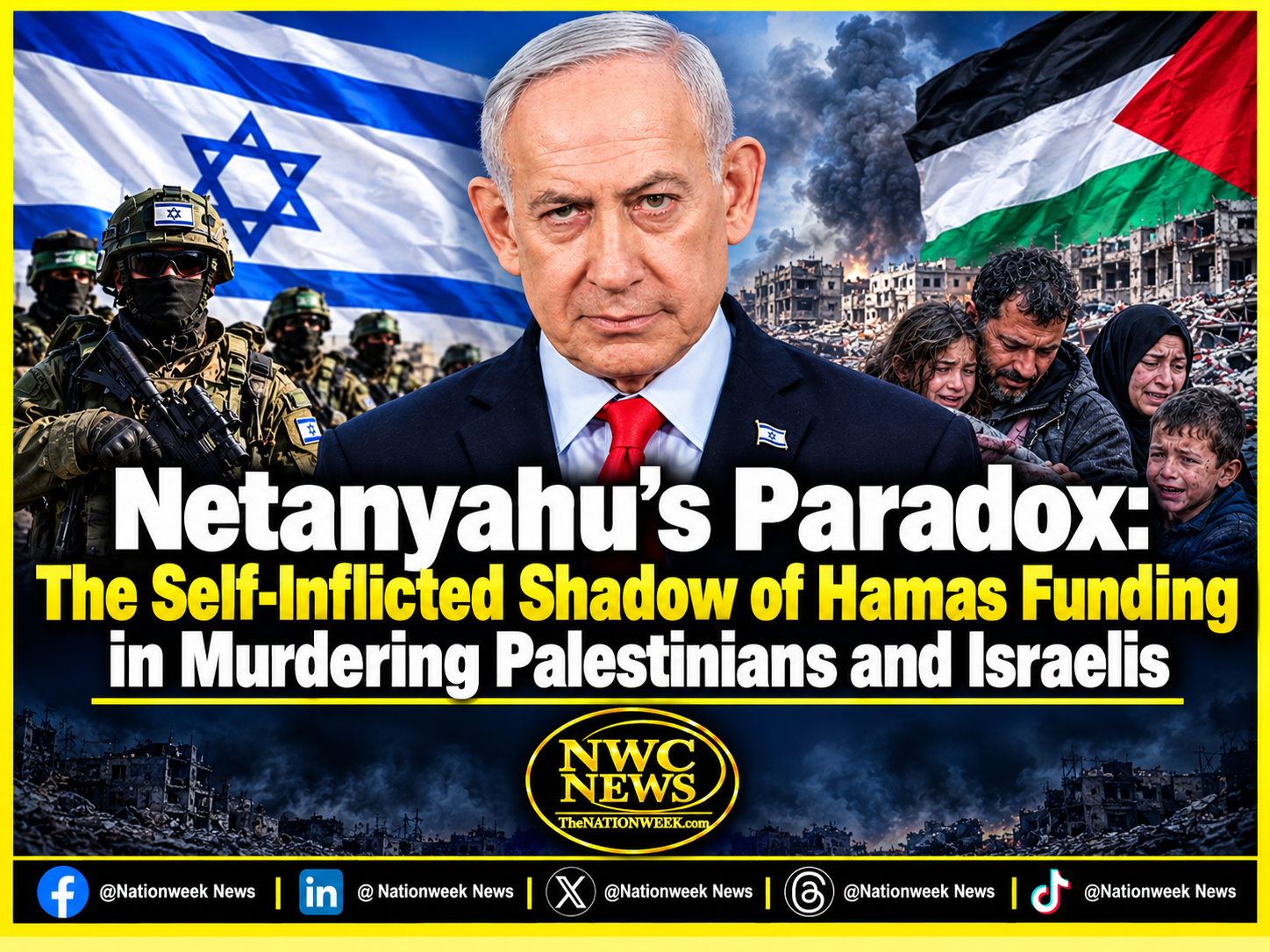
WASHINGTON, D.C. – A deepening chasm within NATO has emerged as key allies reportedly refuse to support a U.S.-led initiative to secure the vital Strait of Hormuz, with their reluctance directly linked to Washington’s unwavering support for Israel in the escalating conflict against the Palestinians.

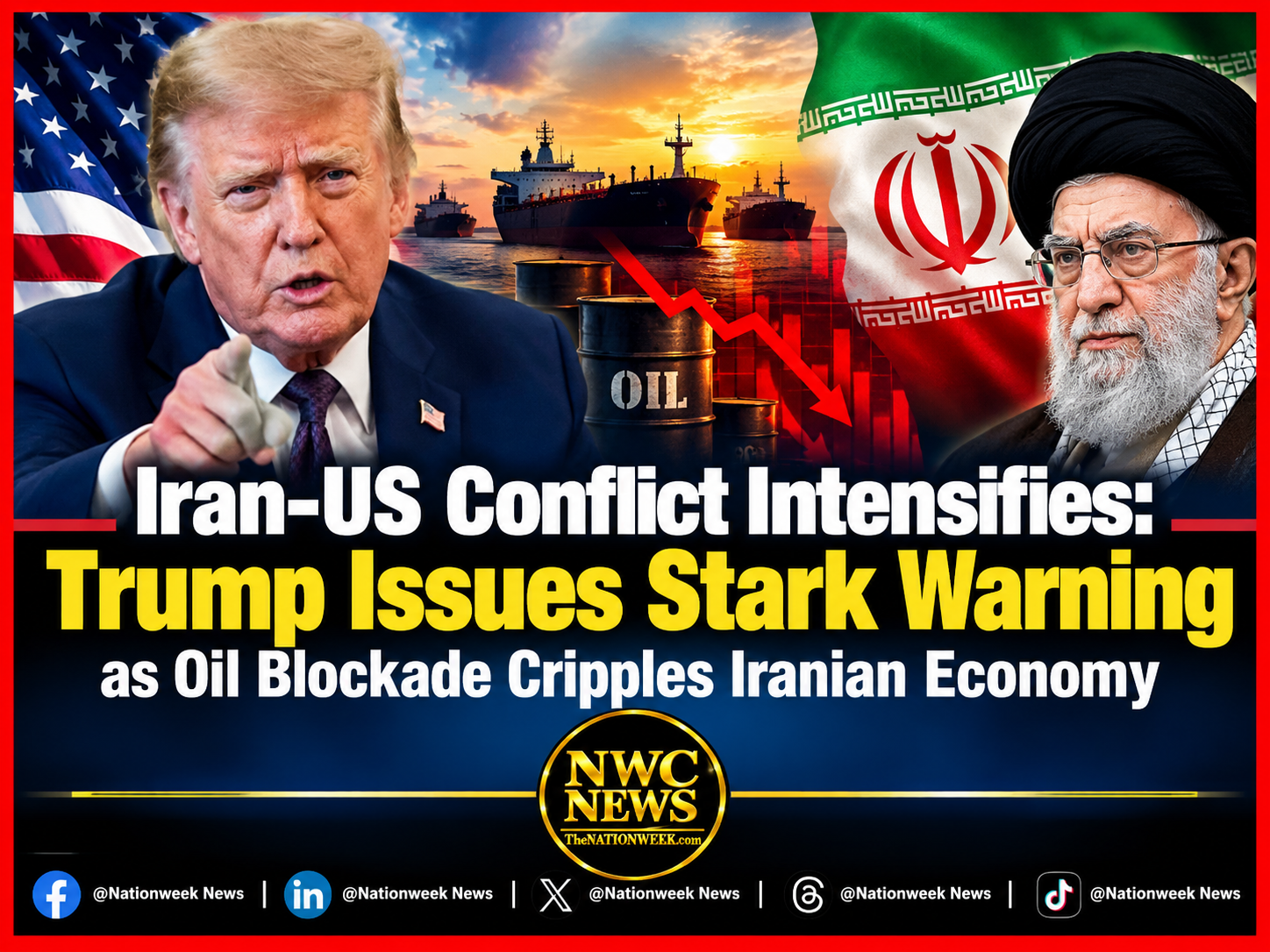
This development comes as President Donald Trump, despite extending a looming deadline for a military strike on Iranian energy infrastructure, faces a significant diplomatic setback.

The U.S. has reportedly conducted joint airstrikes with Israel against Iran, labeled “Operation Epic Fury,” which are claimed to have resulted in the deaths of Supreme Leader Ayatollah Ali Khamenei and other senior figures. These actions, perceived by many NATO members as disproportionate and fueling regional instability, jeopardize Washington’s ability to forge a united front in this critical maritime choke point.

The four-week-long conflict has severely impacted global shipping, forcing ocean freight companies to reroute vessels around the Cape of Good Hope, deeming the Strait of Hormuz “completely off the charts for the rest of 2026.”

Key Highlights

NATO Disunity on Hormuz

 Sources indicate that European NATO members are unwilling to deploy naval assets to the Strait of Hormuz under U.S. command, citing a fundamental disagreement with the U.S.’s perceived one-sided stance in the Israel-Palestine conflict.

Allies are reportedly concerned that securing Hormuz exclusively for U.S. and Israeli interests, while the humanitarian crisis in Palestine deepens, would further alienate the Arab world and escalate regional tensions.

Trump’s Shifting Stance and Denied Negotiations

President Trump announced a five-day delay in a threatened military strike, touting “very good and productive” conversations with Iran and a potential 15-point agreement.

However, the Iranian Foreign Ministry vehemently denies any direct negotiations or a change in their stance on the Strait of Hormuz, acknowledging only receiving U.S. de-escalation messages via “friendly countries.”

Regional Instability and Trade Disruption

 The conflict has rendered the Strait of Hormuz, Bab al-Mandab, and the Suez Canal high-risk zones, necessitating costly and time-consuming detours for global shipping.

Pakistan’s Mediation Offer

 Pakistan’s Foreign Office spokesperson, Tahir Hussain Andrabi, offered Islamabad’s readiness to host U.S.-Iran talks to end the conflict, contingent on mutual agreement.

Netanyahu’s Firm Stance

 Israeli Prime Minister Benjamin Netanyahu confirmed discussions with President Trump regarding leveraging “tremendous achievements” for a peace agreement safeguarding Israeli interests. 

Netanyahu affirmed ongoing strikes in Iran and Lebanon targeting missile and nuclear programs, as well as Hezbollah assets.

Trump’s Post-Regime Vision for Hormuz

In a controversial statement, President Trump outlined a post-regime change scenario for Iran, envisioning joint U.S.-Iranian control of the Strait of Hormuz. He stated, “It would be jointly controlled… Maybe me. Me and the Ayatollah, whoever the Ayatollah is! There’ll also be a form of a very serious form of regime change!” He alluded to “very reasonable, very solid” figures emerging within Iran and drew a parallel to the situation in Venezuela.

“Operation Epstein Fury” Controversy

Posters in Washington, D.C., controversially rebranding the U.S. war effort as “Operation Epstein Fury,” have fueled public debate. These posters, featuring slain soldiers and the phrase “Fighting Iran for the Epstein class,” suggest the war serves as a distraction from the recently released Jeffrey Epstein files. 

While Trump was named in the files, there is no public evidence of credible FBI allegations against him.

The refusal of NATO allies to join the U.S. in securing the Strait of Hormuz marks a critical juncture, underscoring the severe diplomatic and strategic consequences of the U.S.’s ongoing involvement in the Israel-Palestine conflict and potentially fracturing the Western alliance in the face of escalating Middle East tensions.

Leave a Reply

Back To Top