Saturday, May 23, 2026 - 04:27 AM
Subscribe/Login
High-Stakes Diplomacy: Iran Peace Deal on Knife-Edge Amid Rising Threats

High-Stakes Diplomacy: Iran Peace Deal on Knife-Edge Amid Rising Threats

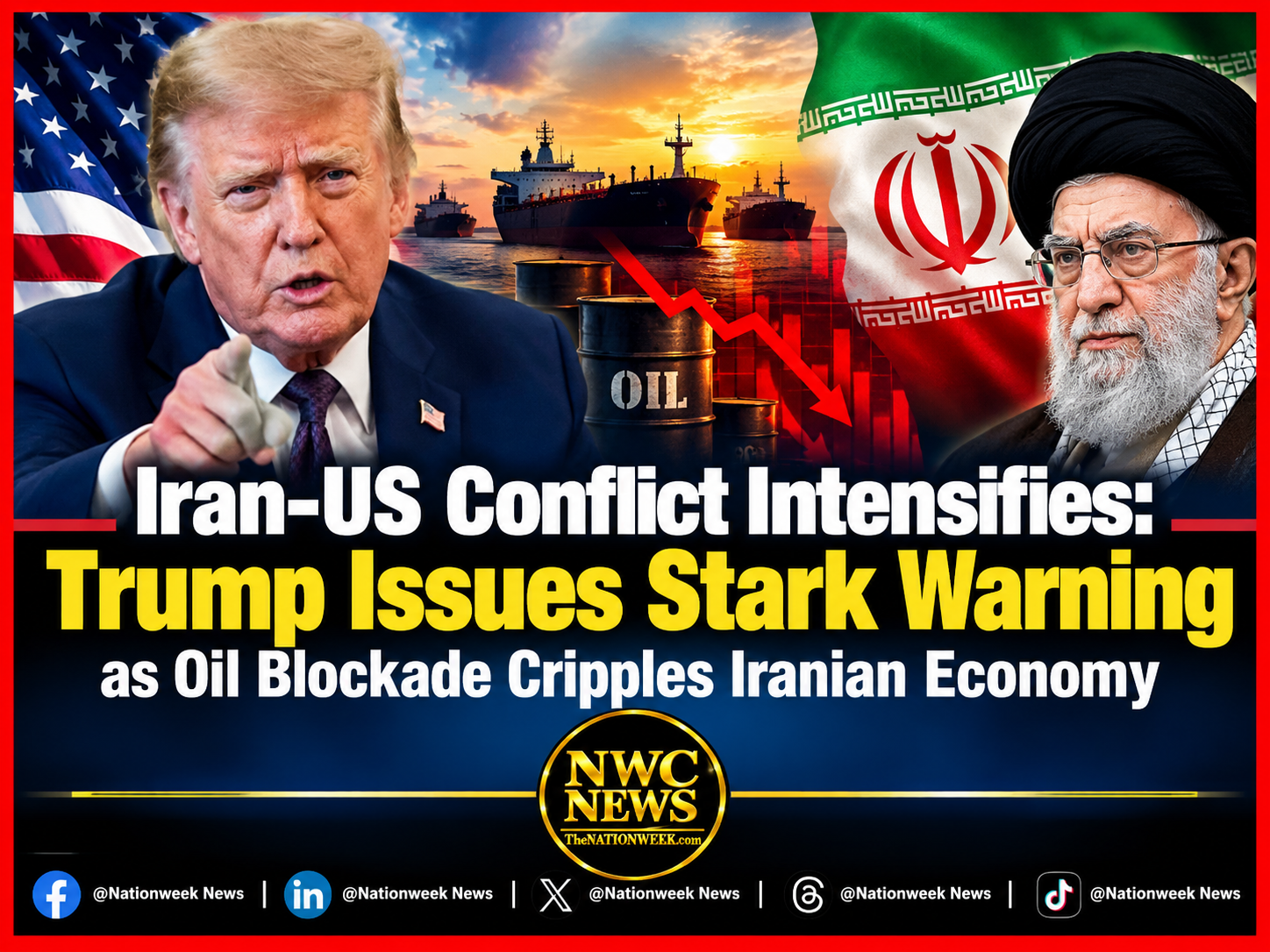
US President Donald Trump and Iran’s Supreme Leader, Ayatollah Mojtaba Khamenei

High-Stakes Diplomacy: Iran Peace Deal on Knife-Edge Amid Rising Threats

By Paul V. Young – TheNATIONWEEK.com | May 22, 2026

BRISBANE, Australia – Amid a fragile ceasefire, a potential resolution to the escalating conflict with Iran appears both within reach and perilously distant. U.S. Secretary of State Marco Rubio, while cautiously optimistic about ongoing negotiations, warned that any Iranian attempt to impose a toll on the Strait of Hormuz would render a diplomatic solution “unfeasible” and be considered “completely illegal.”

Rubio’s remarks, delivered in Florida before his departure for a NATO foreign ministers’ meeting in Sweden, underscore critical leverage points in a complex geopolitical chess match. “No one in the world is in favor of the tolling system,” he stated unequivocally. “It would make a diplomatic deal unfeasible if they were to continue to pursue that. So it’s a threat to the world if they try to do that, and it’s completely illegal.”

This declaration comes as Pakistani mediators facilitate an exchange of messages between the U.S. and Iran, signaling active, albeit fraught, diplomatic channels. However, the delicate nature of these talks is compounded by what Rubio described as a “fractured system” within Iran itself, suggesting internal divisions that could complicate a unified front for peace.

The Strait of Hormuz, a vital conduit for one-fifth of global oil exports, has been effectively blockaded by Tehran since U.S. and Israeli strikes on February 28. The standoff intensified last month, with the U.S. retaliating by blocking Iranian ports.

Iran asserts sovereignty over the strait, vowing to fully reopen the waterway only if commercial vessels pay tolls – a demand globally condemned and now directly challenged by the U.S. The economic repercussions of this disruption are already tangible, with soaring energy prices and strains on government finances worldwide.

Adding another layer of complexity to the negotiations is Iran’s uranium enrichment program. Speaking from the White House, President Donald Trump reiterated his firm stance, threatening “very drastic” action if Iran refuses to relinquish its stockpile of near weapons-grade enriched uranium. “We will get it. We don’t need it, we don’t want it. We’ll probably destroy it after we get it, but we’re not going to let them have it,” Trump declared, emphasizing a non-negotiable demand for disarmament.

This presidential ultimatum directly contradicts reports from two senior Iranian sources, who indicated earlier that Iran’s Supreme Leader, Ayatollah Mojtaba Khamenei, had issued a directive explicitly forbidding the transfer of uranium abroad. This divergence highlights a fundamental chasm in positions that could easily derail any progress.

Despite the early April ceasefire, both the Trump administration and Iranian officials have repeatedly issued threats of renewed attacks. Trump’s recent Truth Social post warned of the U.S. military being “prepared to go forward with a full, large-scale assault on Iran at a moment’s notice” should a deal fail. Iran’s Revolutionary Guard has countered with its own dire warning, threatening to “extend the war beyond the region” if the U.S. initiates further attacks.

The coming days will be crucial in determining whether the cautious optimism expressed by some can overcome the deeply entrenched red lines and escalating rhetoric that threaten to plunge the region back into full-scale conflict. The world watches as the fate of an uneasy peace hangs in the balance.

Leave a Reply

Back To Top