Wednesday, April 15, 2026 - 02:20 AM
Subscribe/Login
Iran Derides Trump’s “Peace Plan” Amid Spiraling Middle East Crisis

Iran Derides Trump’s “Peace Plan” Amid Spiraling Middle East Crisis

Iran Derides Trump’s “Peace Plan” Amid Spiraling Middle East Crisis

By Paul V Young – TheNATIONWEEK.com | March 26, 2026

WASHINGTON D.C. – As the Middle East enters its fourth week of intense conflict, marked by devastating US-Israeli airstrikes that reportedly killed Ayatollah Ali Khamenei and other senior Iranian leaders, a purported 15-point peace plan from the United States has been met with staunch denial and outright mockery from Tehran.

Dubbed “Operation Epic Fury,” these initial strikes have sent geopolitical and economic shockwaves globally, yet the path to de-escalation remains obscured by a widening diplomatic chasm.

The escalating hostilities, which saw a new Iranian security chief appointed in the wake of the deadly strikes, are now significantly disrupting global shipping, air travel, and the volatile oil markets.

Energy costs are soaring, and vital trade routes, particularly the strategic Strait of Hormuz, face severe disruption, threatening the stability of a globalized economy.

Amid this volatile backdrop, reports emerged that the US had presented Iran with a detailed 15-point proposal aimed at ending the war.

Tehran’s Vehement Rejection: A Wall of Denials

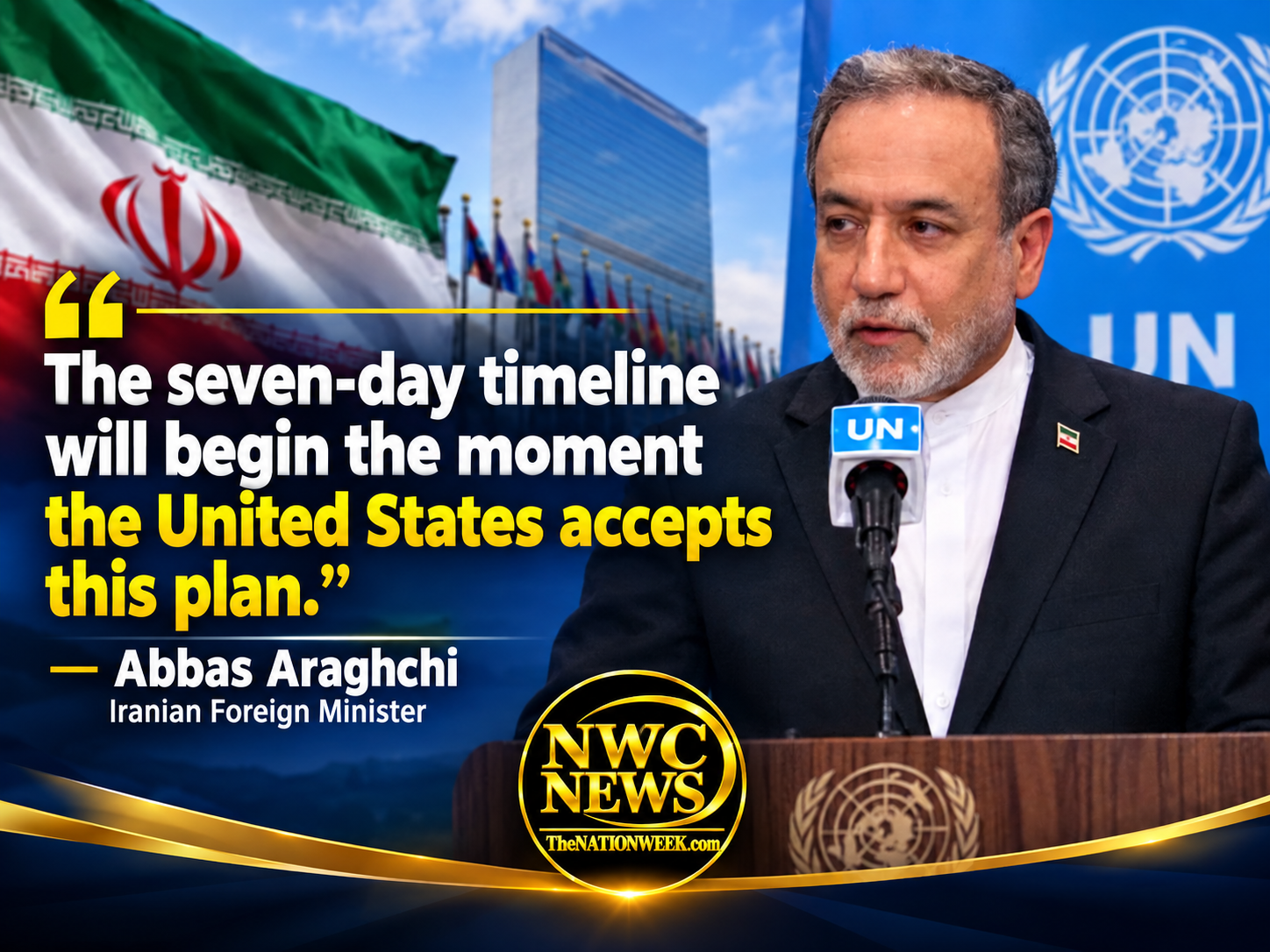
Despite these detailed reports and signals from US President Donald Trump of ongoing talks, Iranian officials have vehemently and consistently denied any direct or indirect contact with Washington regarding such a plan.

Iran’s Ambassador to Pakistan, Reza Amiri Moghadam, categorically stated, “We have also heard such details through the media, but according to my information — and contrary to Trump’s claims — so far, no negotiations, direct or indirect, have taken place between the two countries.”

He acknowledged that “friendly countries,” including Pakistan, were working to “lay the groundwork” for dialogue, expressing hope for an end to the conflict.

Adding to the chorus of denials, Iranian Foreign Ministry spokesperson Esmail Baghaei dismissed the notion of negotiations, declaring unequivocally, “No one can trust US diplomacy.” A military spokesperson went further, in a strikingly blunt message, mocking Washington by suggesting it was “negotiating with itself.”

Conflict Spills Over: Regional Engagements and Global Reactions

The conflict’s spread is evident across the region. Hezbollah claimed its air defense units fired surface-to-air missiles at an Israeli warplane over southern Lebanon, forcing its withdrawal – a significant development marking the first such engagement since the current Israel-Hezbollah conflict began on March 2. This follows Hezbollah’s claim last week of downing an Israeli drone and Iran’s assertion of deploying a new surface-to-air missile system.

Tragically, the conflict’s reach also extends to Iraq, where an airstrike on a Shi’ite Popular Mobilization Forces site in western Anbar killed at least seven Iraqi soldiers and wounded 13. Iraq’s defense ministry condemned the attack as a “blatant and serious violation” of international law, demanding accountability.

The global community is reacting with alarm. Germany’s President has condemned the “Iran war” as illegal, while Australia, facing its own fuel shortages exacerbated by the crisis, has announced travel restrictions for some Iranian visitor visa holders. 

The Australian government has ruled out a $40 fuel cap, highlighting the severe economic strain. Amid this, Iran has openly mocked Australia over its fuel crisis, underscoring the deep geopolitical fissures.

The US, meanwhile, is deploying over 1,000 paratroopers to the Middle East, signaling a deepening commitment to its military posture. An Israeli minister has called for the annexation of Lebanon, further inflaming regional tensions.

Uncertainty Prevails

As the conflict rages and diplomatic efforts appear to falter before they even begin, the chasm between Washington’s alleged overtures and Tehran’s steadfast rejection remains profound. 

The immediate future of the Middle East hangs precariously in the balance, with no clear path to de-escalation visible amidst the fog of war and diplomatic gridlock. The world watches, concerned by the escalating violence and the potential for wider, unpredictable consequences.

Leave a Reply

Back To Top