Wednesday, September 23, 2026 - 04:36 PM
Subscribe/Login
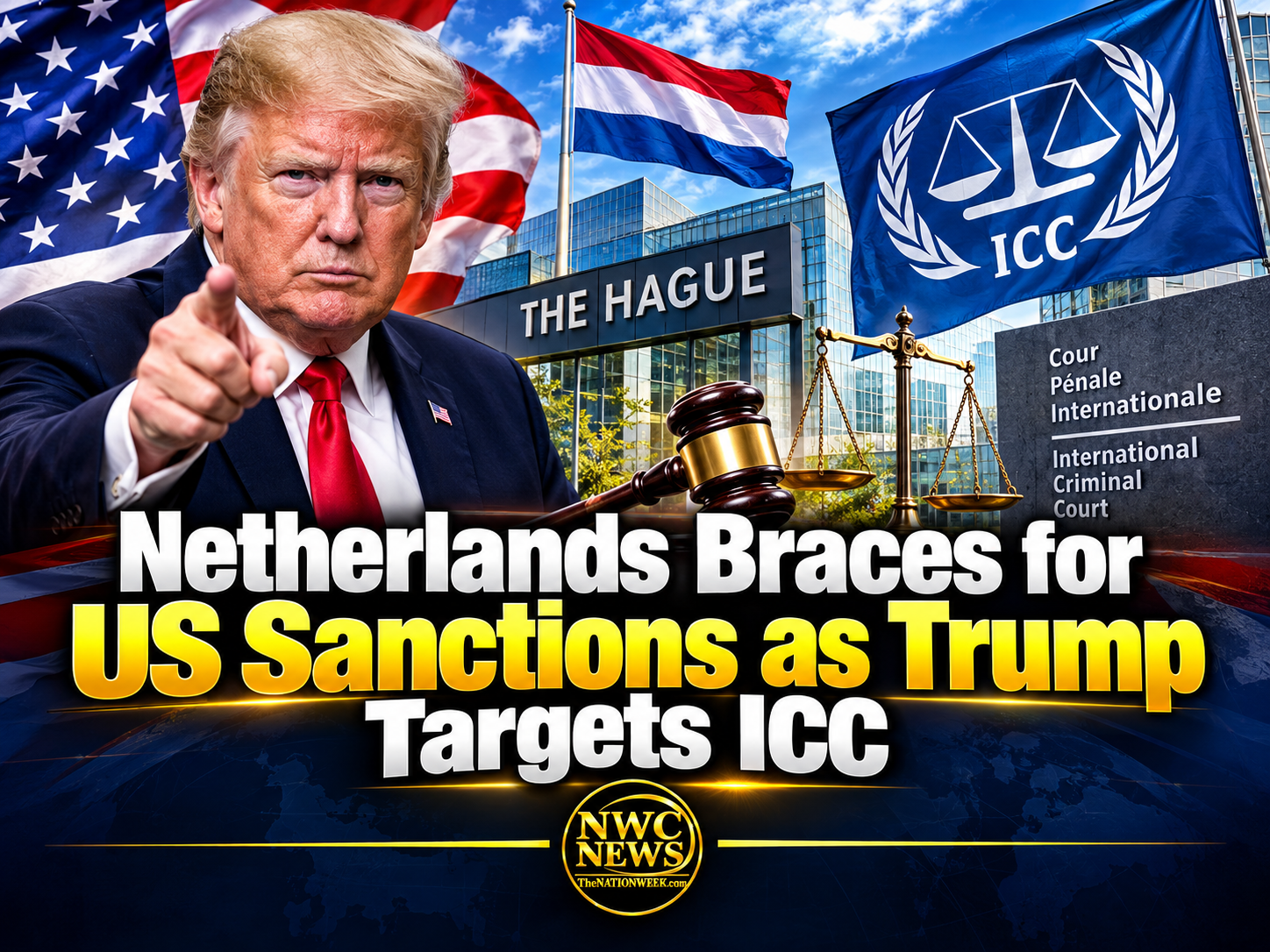
Netherlands Braces for US Sanctions as Trump Targets ICC

Netherlands Braces for US Sanctions as Trump Targets ICC

Netherlands Braces for US Sanctions as Trump Targets ICC

By Paul V. Young – TheNATIONWEEK.com | September 23, 2026

BRISBANE, Australia – THE HAGUE, Netherlands, the host nation of the International Criminal Court (ICC), is preparing for the imminent imposition of severe US sanctions aimed at dismantling the global tribunal. Diplomatic and government officials, speaking anonymously due to the sensitivity of the matter, confirm that Dutch authorities have been notified of impending sanctions, which the Trump administration views as crucial to curbing the ICC’s perceived overreach.

The anticipated sanctions represent a dramatic escalation in the US campaign against the ICC, with Washington already having penalized over a dozen current and former staff members, including half of the court’s sitting judges. US Secretary of State Marco Rubio has characterized this ongoing effort as a “sweeping campaign to dismantle the threat posed by the International Criminal Court.”

Dutch officials are now urgently exploring strategies to sustain the tribunal’s operations. This includes critical measures such as ensuring staff salaries, protecting witnesses, and maintaining detention facilities, all of which could be jeopardized by the new US measures.

Escalating Pressure and Widespread Opposition

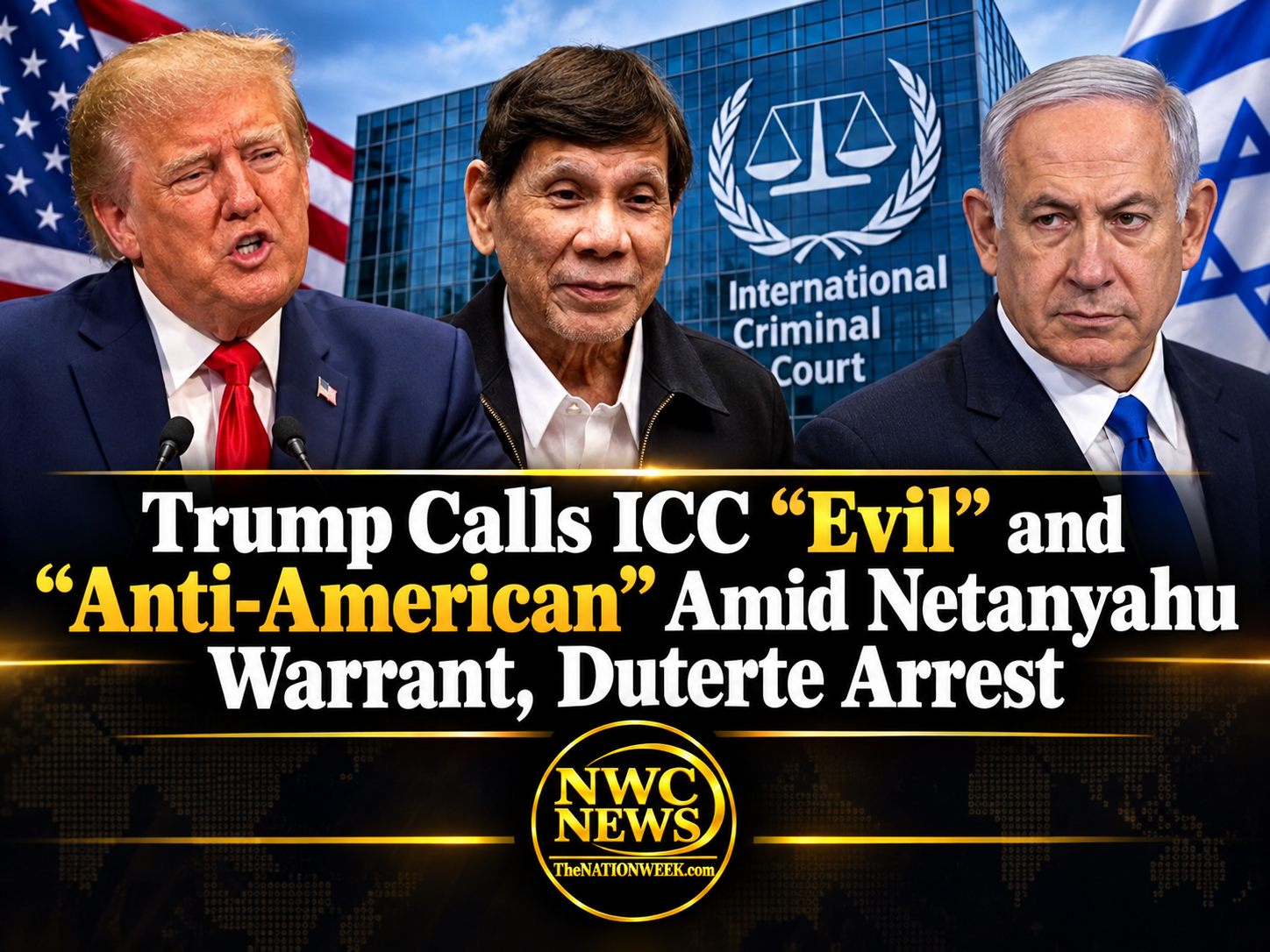
The United States and Israel have vehemently objected to the ICC’s recent issuance of arrest warrants for top Israeli officials, including Prime Minister Benjamin Netanyahu, in connection with the war in Gaza. The US has also consistently opposed ICC investigations into its military actions in Afghanistan.

Like Russia, China, India, and Israel, the United States has never ratified the Rome Statute, which established the ICC. Washington’s longstanding objection stems from concerns about potentially politically motivated prosecutions of its military personnel. The ICC currently comprises 125 member states.

The impending sanctions could cripple the court’s ability to access vital financial and IT services, even impacting the salaries of its US-based employees. Previous sanctions on the court’s former chief prosecutor in 2025 resulted in the freezing of his bank accounts, loss of access to his Microsoft email, and a ban from entering the United States.

Sources familiar with the discussions indicate that US officials warned their Dutch counterparts of potential sanctions as early as Monday, reportedly urging the Netherlands to withdraw its support for the institution. While US officials confirmed that further ICC sanctions are under consideration, they emphasized that the scope and scale remain unfinalized, with no immediate announcement expected this week.

ICC’s Proactive Defenses and Limited European Options

The ICC has been bracing for such measures for months. Earlier this year, the court proactively migrated its operations from Microsoft products to a German software provider. According to ICC staff, the tribunal has also transitioned its insurance and other financial services to companies without a US presence, mitigating potential exposure to American penalties.

Dutch and court officials are reportedly seeking a six-month grace period before the sanctions take full effect, arguing that this would provide the institution with adequate time to fully sever ties with American companies that could face substantial financial penalties for non-compliance.

Beyond the ongoing migration to European-based alternatives, the Netherlands and the broader European Union possess limited options to fully shield the international body. While the EU’s “blocking statute” could prevent European companies from complying with US measures, its applicability to an international body like the ICC, as opposed to a European entity, remains a legal gray area. Furthermore, while EU citizens are entitled to basic bank accounts, this does not guarantee access to credit cards or US payment facilities.

A Court Under Siege: Withdrawals and Allegations of Politicization

Established in The Hague in 2002, the ICC serves as a court of last resort, prosecuting individuals for the world’s most egregious atrocities: war crimes, crimes against humanity, genocide, and the crime of aggression. It intervenes when national jurisdictions are unwilling or unable to prosecute such crimes within their own territories.

“The Trump Administration has been clear: the International Criminal Court is a corrupt and fatally politicized supranational court that has maliciously abused its authority and exceeded its mandate,” Secretary of State Marco Rubio stated last month when announcing sanctions on the court president. “We will not tolerate its assault on state sovereignty.”

Amidst this escalating pressure, a small but growing number of the global tribunal’s member states have announced plans to withdraw in recent months, including Venezuela and Chad. Notably, Chad explicitly cited the United States in its decision, with Foreign Minister Abdoulaye Sabre Fadoul stating that during a July phone call with a US official, “the American side expressed its concerns regarding the functioning of this institution and requested that Chad reconsider” its membership.

The impending US sanctions represent a critical challenge to the ICC’s continued viability and underscore the deep divisions within the international community regarding the court’s authority and mandate.

Leave a Reply

Back To Top