Monday, November 2, 2026 - 06:18 PM
Subscribe/Login
EDITORIAL:  NAIA Security Crisis: Cabinet Official’s Fury Exposes Systemic Failures Amid Rising Crime

EDITORIAL:  NAIA Security Crisis: Cabinet Official’s Fury Exposes Systemic Failures Amid Rising Crime

EDITORIAL:  NAIA Security Crisis: Cabinet Official’s Fury Exposes Systemic Failures Amid Rising Crime

By TheNationWeek.com | November 2, 2026

MANILA, Philippines – Beneath the polished veneer of Ninoy Aquino International Airport (NAIA), a profound security crisis is escalating, jeopardizing the nation’s primary gateway and exposing millions to a revitalized criminal underworld. A dangerous confluence of fragmented authority, a demoralized security force, and disturbing allegations of internal complicity has transformed NAIA into a fertile hunting ground for the notorious “Salisi” syndicate, which is now preying with audacious impunity on foreign tourists and hardworking Overseas Filipino Workers.

The brazen robbery of French national Anthony Boukhors at NAIA Terminal 1 – involving three Audemars Piguet watches reportedly valued between P15 million and P18 million – transcended a mere incident. It tore open the institutional wounds plaguing NAIA’s security apparatus, serving as a chilling public indictment of systemic vulnerabilities and a severe deficit in leadership.

A Cabinet Official’s Blistering Rebuke: Unmasking Leadership Failure

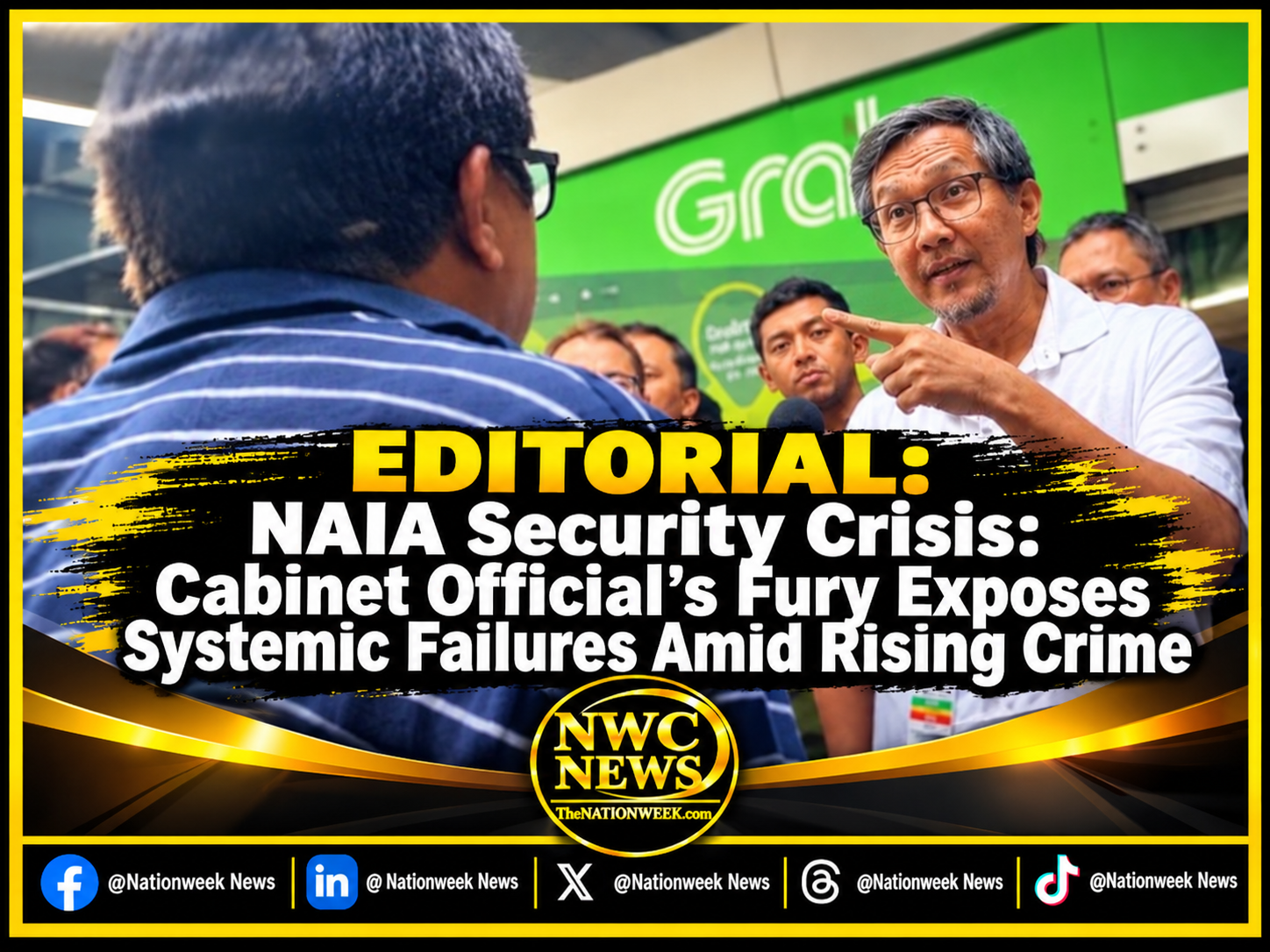
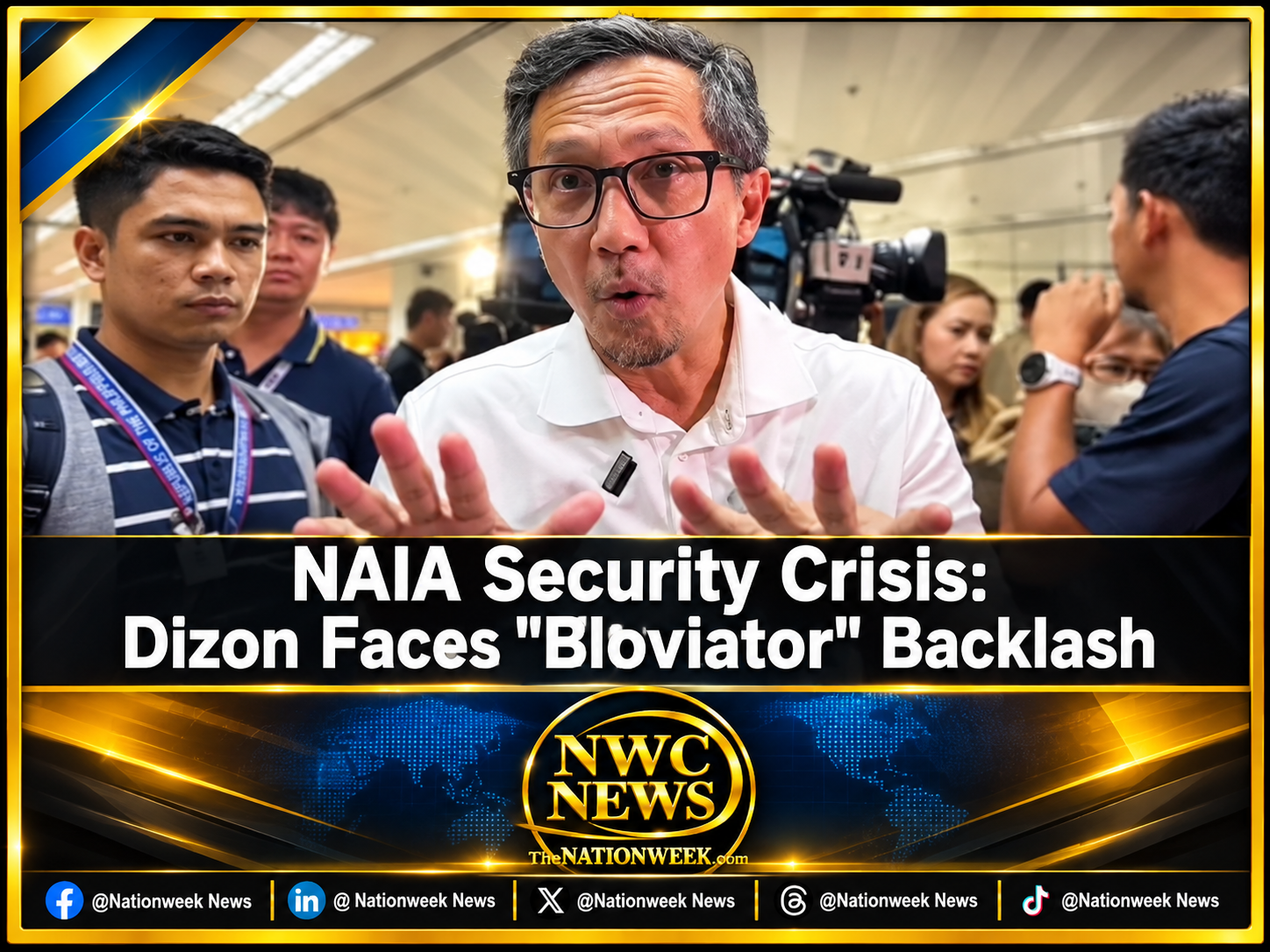
The escalating crisis reached its boiling point during a recent, highly charged inspection. Department of Transportation (DOTr) Secretary Vince Dizon confronted a Manila International Airport Authority (MIAA) official with a raw, profoundly unsettling question that reverberated through the very foundations of airport governance: “Alam mo pala, eh putang ina mo, bakit hindi mo ginagawa?” (You knew it, you son of a bitch, why aren’t you doing it?). 

During a publicized NAIA Terminal 1 inspection, Secretary Dizon expressed visible dismay over the protracted CCTV handover from MIAA to the New NAIA Infra Corp (NNIC). He directly linked this “security vacuum” to recent high-profile breaches, stating, “The problem here is there’s no single accountability. Someone was robbed, and you are all pointing fingers.” This explosive reprimand from a high-ranking cabinet official transcends a mere outburst; it stands as a damning exposé of perceived deep-seated operational paralysis within MIAA’s leadership and its alleged egregious neglect of critical, known security warnings.

Critics contend that such public humiliations and castigations, rather than fostering accountability, have instead decimated morale among MIAA and Airport Police Department (APD) personnel. “If MIAA management itself openly distrusts its own personnel,” one veteran insider lamented anonymously, “what message does this send to the public, and more critically, to the criminal elements watching?” This erosion of internal trust, critics argue, creates a perfect breeding ground for opportunistic syndicates.

The Fractured Shield: APD’s Marginalized Expertise and the Looming Threat

While a significant majority of APD personnel remain steadfast in their commitment to honest public service, their effectiveness is being systematically crippled. MIAA’s controversial decision to dismantle APD offices within the terminals, purportedly in response to accusations against a minority of officers, has left the dedicated majority feeling sidelined and underutilized by the new NNIC concessionaire regime. 

These officers are often compelled to discreetly take on side jobs as Grab or Angkas drivers before and after duty to augment their income to support their families.

These APD personnel possess invaluable institutional knowledge, specialized airside expertise, and critical rapid-response capabilities. Their systemic marginalization, compounded by a fractured command structure, has created undeniable and dangerous security voids.

It is crucial to emphasize that not all APD personnel are “rotten eggs.” The vast majority are honest, dedicated individuals striving to earn a living and serve the public.

Blaming the entire force for the actions of a few, or for systemic failures beyond their control, not only demoralizes them but also weakens the very security apparatus intended to protect the airport. 

High-ranking APD personnel who failed to eradicate bad eggs or protected the rotten eggs in exchange for payola or grease money generated from the proliferation of the Salisi gang syndicate operating systematically in NAIA terminals should be “TERMINATED” and held criminally accountable.

The Perilous Partnership: Blurring Lines, Internal Compromise

Under NAIA’s Public-Private Partnership (PPP) model, authority over security is dangerously bifurcated. MIAA and state law enforcement agencies—including the Office for Transportation Security (OTS) and the Philippine National Police Aviation Security Group (PNP-AVSEGROUP)—retain sovereign police powers, including intelligence gathering and criminal investigation.

Yet, NNIC now controls day-to-day facility security, private guard deployment, perimeter monitoring, and technological upgrades. This fundamental distinction is critical: private security’s role is largely confined to “eyes and ears,” lacking full law enforcement authority or the power to conduct deep investigations.

This division creates perilous gray areas where accountability can vanish. While failures in access control by private guards might directly implicate the concessionaire, critical lapses in intelligence, counter-terrorism, or criminal investigation remain squarely within state jurisdiction.

Compounding this, deeply disturbing allegations of collusion between some contracted private security personnel and criminal elements have surfaced. Such “inside threats” fundamentally undermine the airport’s core mandate to protect passengers, transforming guardians into potential accomplices.

International Civil Aviation Organization (ICAO) frameworks define aviation security (AVSEC) as a meticulously integrated ecosystem of policies, personnel, screening technologies, access controls, emergency response protocols, rigorous training, and robust oversight.

Aviation security experts unequivocally emphasize that a unified, organic airport police force, operating under a singular, clear command structure with specialized expertise, offers distinct advantages in maintaining comprehensive security. However, these critical benefits are entirely contingent on seamless integration with state regulators—a cohesion glaringly absent at NAIA.

Consequences and the Urgent Call for Systemic Reform

The consequences of this widening security vacuum are dire and far-reaching. Victims of theft often forgo formal complaints, prioritizing travel continuity over the arduous process of legal recourse.

This unspoken capitulation tacitly emboldens criminal networks, allowing syndicates to operate with near impunity, further eroding traveler confidence and inflicting severe, lasting damage on the Philippines’ international reputation.

Security analysts assert that the solution extends far beyond merely labeling any APD or private guard force as corrupt. It demands a fundamental re-establishment of confidence through strategic, intelligence-driven deployment, ironclad chains of command, rigorous and continuous training, independent and transparent audits, and unwavering institutional support for honest, dedicated personnel.

Failure to implement these critical, sweeping reforms risks rendering the resurgence of the Salisi syndicates an irreversible stain on NAIA’s reputation and a profound threat not just to travelers, but to the nation’s security, economic standing, and international credibility.

Secretary Dizon’s stark admonition underscores the urgency of this moment. The critical question now remains: will MIAA and NNIC finally heed the alarm and act decisively to bridge this chasm of dysfunction before the airport descends into an irreparable state of crisis?

*          *          *

Your support fuels independent and fearless journalism.

To advertise with us, please contact us today at: nationweek@yahoo.com.

You can also make a donation via GCash at: +639267015155.

Leave a Reply

Back To Top