Thursday, April 16, 2026 - 09:41 AM
Subscribe/Login
Amid Leaks, Odors, and Public Distrust: Are NAIA Fee Hikes Justified?

Amid Leaks, Odors, and Public Distrust: Are NAIA Fee Hikes Justified?

Amid Leaks, Odors, and Public Distrust: Are NAIA Fee Hikes Justified?

By Bing Jabadan – TheNationweek.Com | February 6, 2025

MANILA, Philippines – A year after the New NAIA Infra Corp. (NNIC) took over the reins of the Ninoy Aquino International Airport (NAIA), its promised modernization program remains to be seen.

While the NNIC boasts of increased passenger volume and improved on-time performance, public skepticism has grown due to the company’s infrastructure failures, questionable transparency, and controversial fee hikes.

Its modernization project was intended to transform NAIA into a world-class facility, boasting cutting-edge technology like facial recognition systems and e-gates.

However, passengers’ experiences have revealed a reality far from its vision.

Leaks plague terminals, unsanitary conditions fester, and a lack of transparency shrouds the allocation of funds generated by high fee increases.

Leaks, Odors Undermine Claims of Progress

NAIA Terminal 2 Arrival Lobby.

The difference between the company’s pronouncements and passenger experiences is widening.

Recent incidents have ignited widespread frustrations and raised serious questions about the effectiveness of the NNIC’s stewardship.

One such incident involved Philippine Airlines passengers arriving from Caticlan, Aklan, who were greeted by water cascading from the ceiling of the NAIA Terminal 2 lobby.

A viral video captured the scene: water pouring from the departure area above, forming hazardous puddles on the floor.

“This is quite disappointing,” one passenger lamented, echoing the sentiments of many who feel shortchanged by the promised airport improvements.

NAIA Terminal 3: Public Transport Parking Area

In the taxi waiting area of NAIA Terminal 3, passengers and taxi drivers alike have reported a pervasive and offensive stench of urine.

Airport drivers complained of the lack of adequate restroom facilities, forcing them to relieve themselves in the open, creating a breeding ground for unsanitary conditions and posing a significant health risk.

This deplorable situation not only reflects poorly on the airport’s hygiene standards but also raises concerns about the basic welfare of those who work at NAIA.

These incidents are attributed to a lack of attention to basic maintenance and hygiene, undermining the credibility of the NNIC’s claims of progress.

Fee Hike: Boon or Bane?

One issue with NAIA’s modernization program is the high terminal fee increases implemented on Sept. 14, 2025 – the first adjustment in two decades.

International terminal fees skyrocketed from P550 to P950, while domestic passengers now shoulder a P390 fee hike, a substantial increase from the previous P200.

The NNIC defends the increase as essential to fund its modernization project, arguing that NAIA’s rates remain competitive compared to other major Asian airports like Haneda in Japan, Bangkok in Thailand, and Changi in Singapore.

The consortium also points to its P170 billion investment commitment, with P48.3 billion already remitted to the government and P13 billion allocated for capital expenditures in the past year.

However, this justification has been met with widespread skepticism.

Travelers argue that NAIA’s current facilities and services are simply not comparable to the world-class airports cited by the NNIC.

The disparity between the fees charged and the actual experience has fueled a growing sense of resentment among passengers.

The question remains: where is the money going, and why do basic maintenance issues, such as leaky ceilings and unsanitary conditions, persist?

Media Access Restricted

Adding fuel to the fire is a growing concern regarding transparency.

Reports have surfaced alleging restricted media access to airport terminals since the NNIC assumed operations.

Independent media outlets have reportedly been denied access to verify NNIC’s claims of improvements.

This restriction raises serious questions about accountability and openness.

The lack of independent oversight further erodes public trust and reinforces the perception that the NNIC is operating with a veil of secrecy.

Without the ability to independently verify information and investigate complaints, the public is left to rely solely on NNIC’s self-reported data, according to a media source.

Exploiting OFWs: A Controversial Defense of Fee Hike

NNIC’s attempts to defend the fee hike by highlighting the exemption for overseas Filipino workers (OFWs) have backfired, triggering widespread criticism and accusations of exploitation.

While OFWs are exempt from international terminal fees, concerns persist about the impact on their families and relatives, who will bear the brunt of the increased costs.

“The real issue is that our families and relatives will bear the brunt of these expensive fees, with the domino effects impacting airfares and potentially driving up the prices of commodities like fast food due to higher lease rentals.”

The Road Ahead

As passengers grapple with higher fees and persistent infrastructure failures, pressure is mounting on the Manila International Airport Authority and the NNIC to demonstrate that these funds will translate into meaningful enhancements and elevate NAIA to a globally competitive standard, sources say.

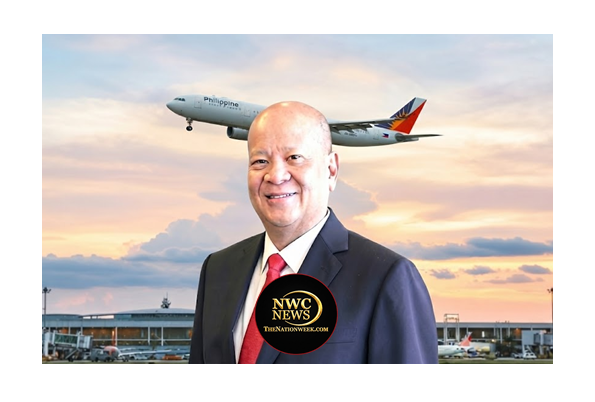
NNIC president Ramon Ang remains optimistic, explaining that “operating an airport the size and scale of NAIA will always be demanding.”

“Together with the government and our partners, we will sustain these gains and finally deliver a truly world-class NAIA,” he says.

Leave a Reply

Back To Top