Sunday, October 11, 2026 - 08:06 AM
Subscribe/Login
Trump Sanctions Russia-Iran, Mideast Tensions Ignite

Trump Sanctions Russia-Iran, Mideast Tensions Ignite

Trump Sanctions Russia-Iran, Mideast Tensions Ignite

By TheNATIONWEEK.com News Desk | September 21, 2026

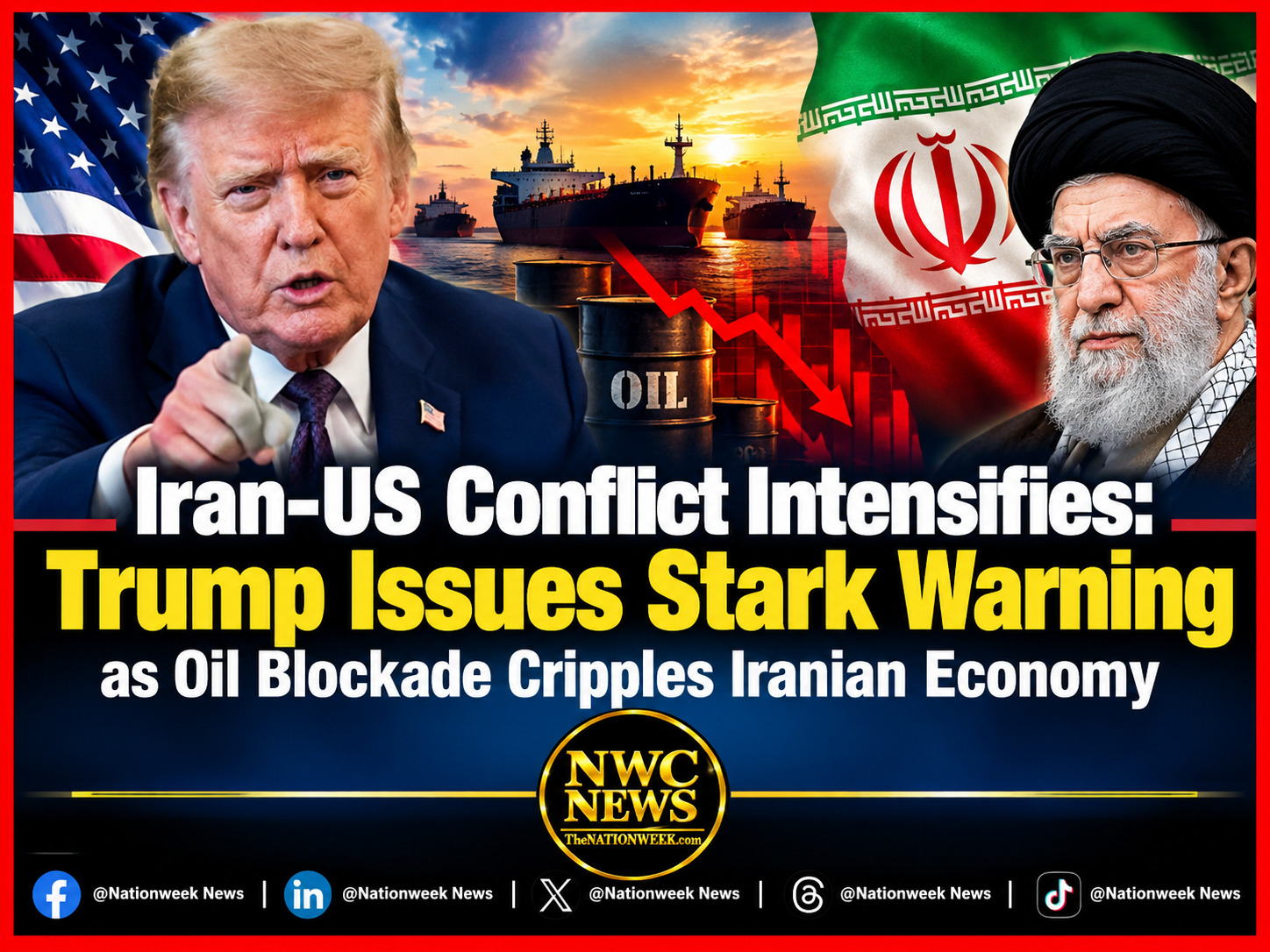
WASHINGTON / RIYADH – U.S. President Donald Trump, on September 19, signed into law the Lindsey O. Graham Sanctioning Russia and Iran Act of 2026, significantly expanding punitive measures against Russia and strengthening existing sanctions on Iran. This comes as the Middle East grapples with escalating tensions, marked by a claimed Iranian attack on an oil tanker and heightened security alerts in Saudi Arabia.

The new legislation grants the President broad authority to impose tariffs of up to 100% on imports from nations engaged in the purchase of Russian crude oil or natural gas, or those attempting to circumvent existing sanctions. This move underscores a reinforced U.S. stance against both Moscow and Tehran, with President Trump reportedly poised to make Iran’s nuclear program a central theme of his upcoming UN General Assembly address.

Regional Flashpoints

Saudi Arabia on High Alert

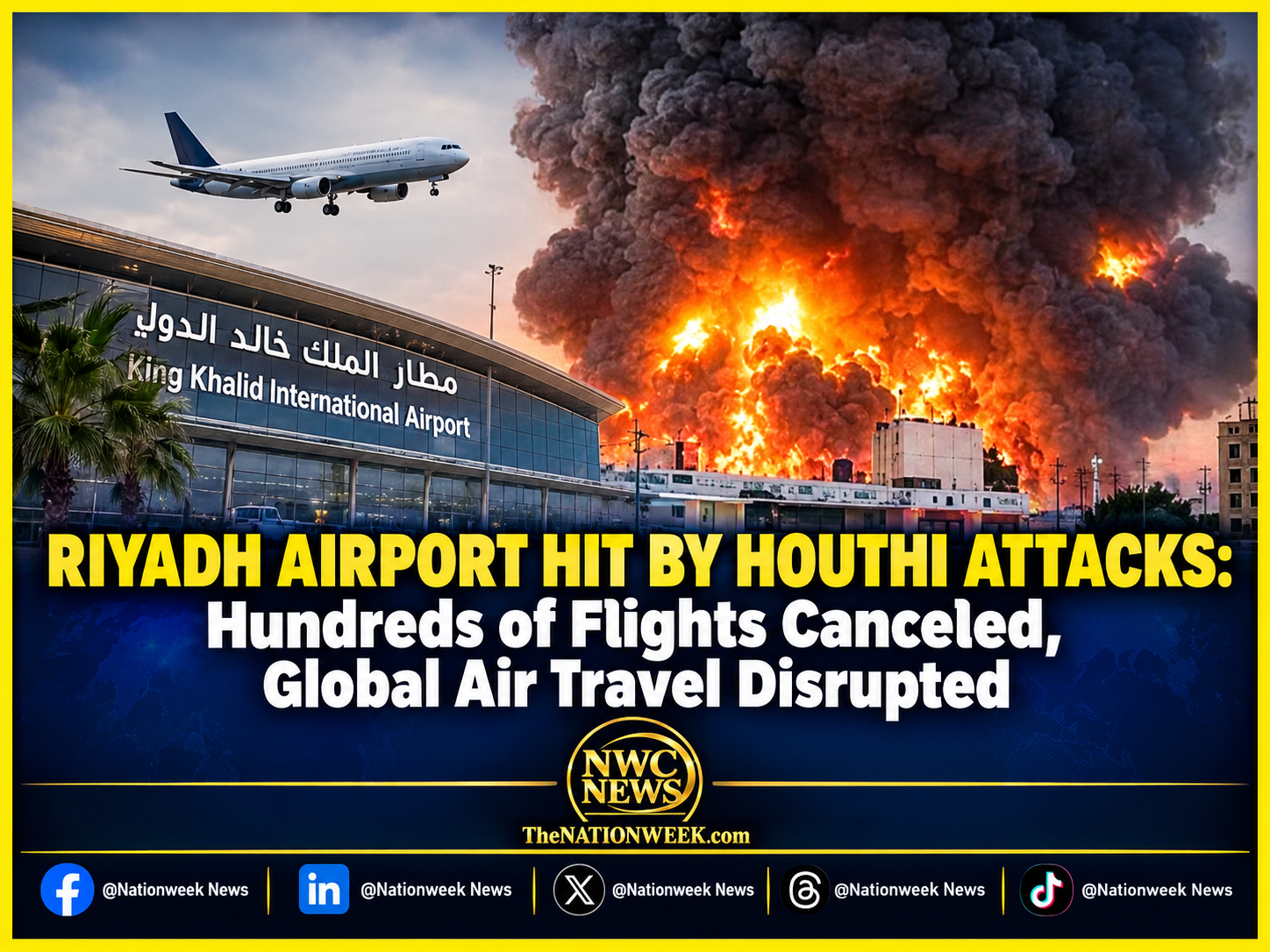
Saudi authorities issued, then later lifted, danger alerts for Riyadh and Al Kharj following reports of explosions. An AFP journalist confirmed that an Aramco fuel tank near Riyadh’s international airport was ablaze, with firefighters on the scene. FlightRadar24 reported significant disruptions, including cancellations and delays, at Riyadh King Khalid International Airport, citing a maximum disruption index of 5.0. This follows an overnight air raid alert, the first since intensified fighting in Yemen this month.

Houthi rebels reported 26 Saudi strikes in Yemen over the past 24 hours. The United Nations Security Council (UNSC) unequivocally condemned Houthi attacks on Saudi Arabia, specifically targeting civilian and energy infrastructure. The UNSC demanded an immediate cessation of Houthi military escalation and reiterated its condemnation of threats to shipping in the Red Sea and Bab Al-Mandeb, affirming Saudi Arabia’s right to self-defense.

Iran Claims Oil Tanker Strike

Iran has claimed responsibility for striking an oil tanker in the strategically vital Strait of Hormuz, further exacerbating maritime security concerns. Shipping traffic through the Bab el-Mandeb remains disrupted.

Syria Reports Fatal Blast

Syria’s Ministry of Defense announced the deaths of 11 personnel in an explosion at a military site in the eastern province of Deir Ezzor. The incident, which occurred yesterday, is currently under investigation.

Iranian Economic Strain

 Iran’s Interior Ministry spokesperson, Ali Zeynivand, acknowledged widespread public concern over record-high inflation and rising prices. He stated that rebuilding damaged civilian infrastructure, particularly in provinces affected by what he described as “enemy attacks,” is the government’s immediate post-war priority.

Maritime Coalition Achieves Initial Capability

Rear Admiral Abdullah bin Salem Al-Shehri, commander of the 14-nation Multinational Maritime Defence Coalition (MMDC), declared that the alliance has achieved initial operational capability. Formed in July, the MMDC focuses on safeguarding international waterways around the Arabian Peninsula, including the Gulf of Aden, Bab Al-Mandeb Strait, and Red Sea.

India Calls for Maritime Security

India, a significant maritime nation impacted by regional instability, reiterated its call for respecting international law and asserted that commercial maritime traffic “must not become targets of geopolitical tensions.” India’s Permanent Representative P. Harish emphasized that “navigational rights must not be subject to coercion, threats, unlawful restrictions, or arbitrary interference.”

US Claims UN Budget Cuts

The Trump administration announced it has secured over $1 billion in United Nations budget cuts, alongside reductions in headquarters staff and peacekeepers, ahead of President Trump’s address to the General Assembly. A senior U.S. official attributed these “diet” cuts to the administration’s efforts to refocus the UN’s work on peace and security.

Broader Context

A UN-mandated fact-finding mission previously stated there were reasonable grounds to believe the U.S. may have committed war crimes in two February strikes on Iran, adding another layer of complexity to the escalating regional conflict.

Leave a Reply

Back To Top